The Federal Reserve's next chapter is starting with an argument. A report this week from CNBC describes incoming Fed Chair Kevin Warsh walking into a "family fight" — a divided Federal Open Market Committee split between members who want to cut rates and those who think inflation hasn't been tamed enough to justify it. That internal tension is not just institutional drama. It is a live variable in your household budget.
What's actually changing
The Fed's benchmark rate has been sitting at a level not seen since the mid-2000s. That has real downstream effects: credit card APRs for most households are running well above 20%, according to recent Federal Reserve consumer credit data. Adjustable-rate mortgages are resetting at numbers that would have seemed unimaginable five years ago. Meanwhile, savers with high-yield accounts are finally — for the first time in over a decade — getting something back.
A rate cut would flip those dynamics. Borrowers would get relief. Savers would lose yield. The question the FOMC is fighting over is whether inflation is stable enough to justify the cut without reigniting it.
The honest answer right now is: nobody knows, and Warsh inherits that uncertainty as his first leadership problem. The CNBC report frames this as a political and institutional challenge for the incoming chair. For households, the relevant translation is simpler: do not build your financial plans around a rate cut happening on any particular schedule.
The market has been pricing in cuts that haven't come. Families who locked into ARM products, paused refinancing decisions, or deferred high-interest debt payoffs while waiting for relief have already paid the cost of that optimism. The lesson is not to predict the Fed — it is to build a household posture that doesn't need the prediction to be right.
What we'd actually do
Lock in the yield you have right now. If you're holding cash in a high-yield savings account or money market fund, look at 6-month or 12-month Treasury bills or CDs. A rate cut, when it comes, will compress those returns quickly. Locking a yield for even a short window protects your emergency fund's purchasing power during the transition.
Treasury Direct accounts are free to open, and T-bills are currently offering yields that beat most online savings accounts. If your emergency fund is just sitting in a checking account, this week is a reasonable time to move at least part of it.
Stop waiting to pay down variable-rate debt. The family fight at the Fed means rate relief is not imminent, and may not come in the shape markets expect. Every month a credit card balance sits at 22% APR is a guaranteed loss. There is no savings instrument that reliably outperforms paying off that balance. Treat high-interest variable debt as a fire, not a planning variable.
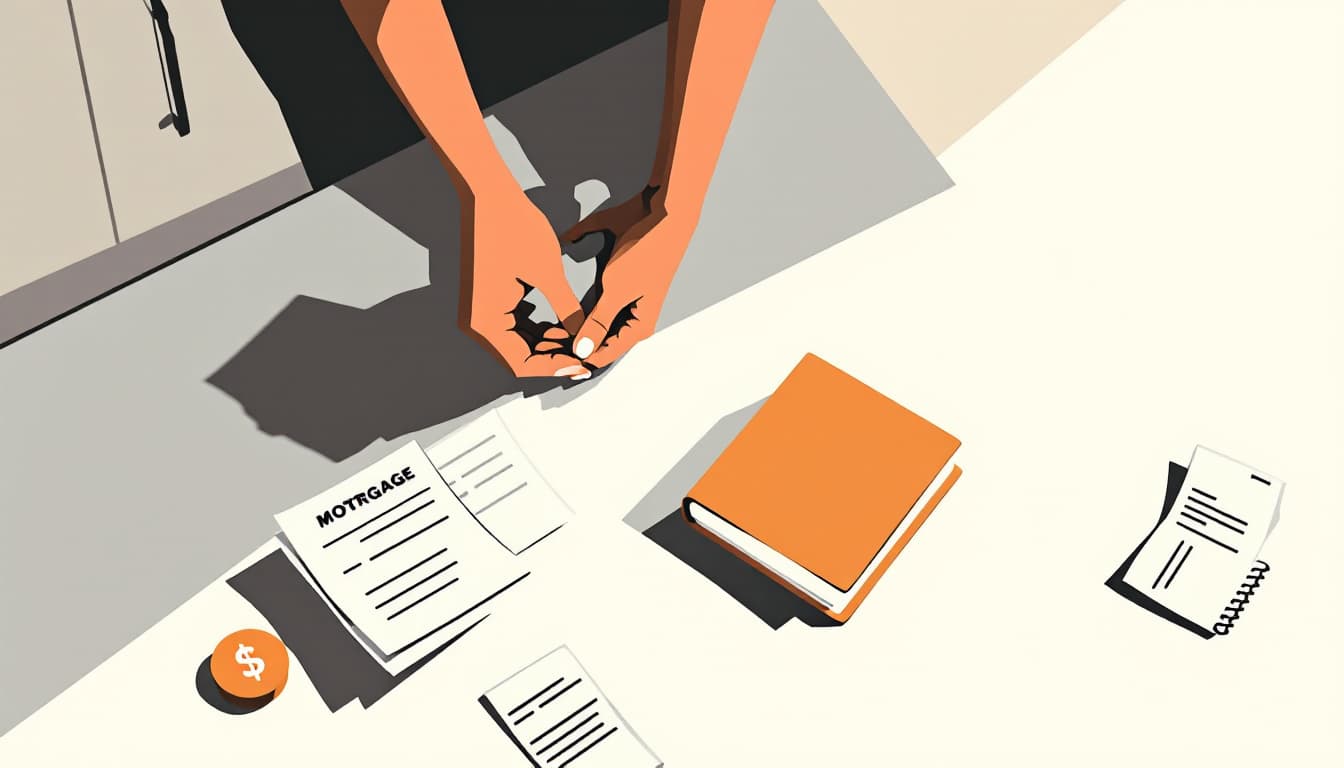
If you have an ARM resetting in the next 18 months, model both scenarios. Pull out the loan documents, find the reset cap, and calculate your new payment at current rates and at rates 1.5 points lower. If you can survive the current-rate scenario without significant hardship, you can probably wait and see. If the current-rate scenario breaks your budget, that's a refinancing conversation to have now, not later.
Build a 90-day expense buffer, not just a 30-day one. Fed uncertainty tends to ripple into hiring decisions and consumer confidence before it shows up in your paycheck. Recent BLS data on labor market softening suggests the margin for error in household income is narrowing in some sectors. A 90-day cushion gives you room to navigate a disruption without making panicked financial decisions.
Don't over-optimize for a rate environment you can't control. The preparedness parallel here is real: just as you don't build a household emergency plan around one specific disaster scenario, you don't build a financial plan around one specific Fed outcome. Flexibility — in debt load, in savings instruments, in spending commitments — is the actual asset.
The bigger picture
The Fed's leadership transition, and the disagreement inside it, is a signal that monetary policy is entering a less predictable phase. That's not a catastrophe. It is a condition. Durable households are ones that have already reduced their exposure to rate volatility by carrying less variable-rate debt, maintaining liquid savings, and avoiding the assumption that financial conditions will stay favorable indefinitely.
The goal isn't to outguess the FOMC. It's to need them less.