A JaxToday report this week put most of Florida under a heat advisory, compounded by dusty Saharan air conditions drifting across the Gulf. Neither is unusual for July in Florida. What is worth noting is that the two together create a specific household problem that most preparedness advice ignores: you cannot simply open windows to cool down, because the particulate load outside makes that worse, not better.
What's actually happening
Saharan dust events — technically called SAL, Saharan Air Layer — suppress Atlantic hurricane development but push particulate matter into the fine-particle range that irritates lungs and degrades indoor air quality. When that coincides with a heat advisory, Florida households face a compressed set of options. You need the house sealed to block particulates. You need the AC running hard to compensate. And you need a plan if the AC fails, because opening up isn't a clean fallback.
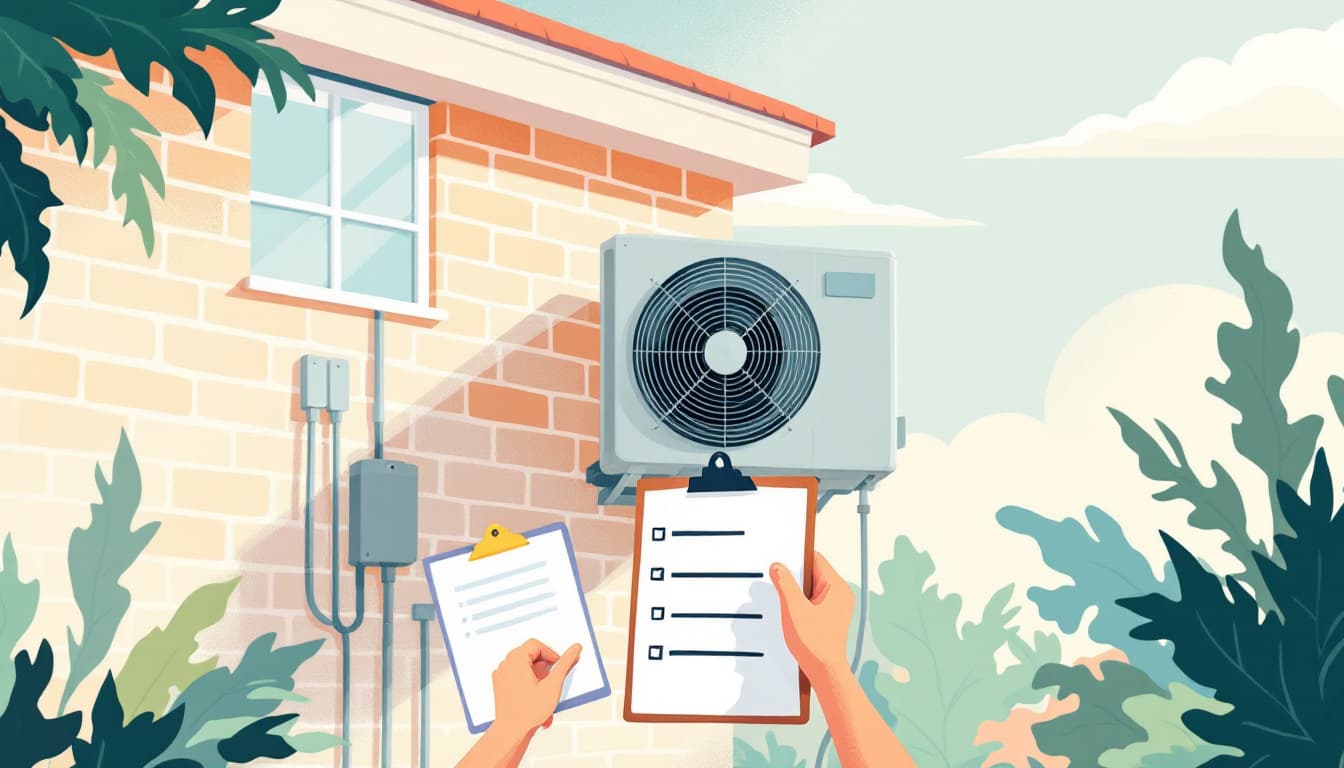
Florida's electrical grid handles summer peak loads, but individual home systems are a different story. HVAC units that were sized for a house fifteen years ago are running longer cycles under higher ambient temperatures than they were engineered for. Recent data from energy researchers tracking southeastern utilities shows residential AC failure rates spike significantly during sustained multi-day heat events. A unit that is seven or more years old and hasn't had a refrigerant check or coil cleaning this year is carrying real risk right now.
The dust layer adds a second pressure point: air filters. A standard MERV-8 filter in a Florida home during a Saharan dust event can clog noticeably faster than its rated replacement interval. A clogged filter reduces airflow, which makes the AC work harder, which accelerates wear. It's a short feedback loop with a large bill at the end.
What we'd actually do
Check and replace your HVAC filter this week. Pull it out and look at it. If it's gray-brown and you can't see light through it, replace it before the next billing cycle, not after. During SAL events, consider stepping up to a MERV-11 if your system can handle the slightly higher static pressure — check the manufacturer spec or call your HVAC company. A $20 filter swap now is not the same problem as a $4,000 compressor replacement in August.
Identify your household's cooling fallback before you need it. This means knowing which room in your home retains cool air longest, which neighbor or family member has a generator or a ground-floor interior space, and where your nearest county cooling center is. Florida's county emergency management agencies — including Duval, Hillsborough, Miami-Dade, and Broward — publish cooling center locations during advisories. Locate yours in the non-emergency period. The Florida Division of Emergency Management site maintains updated resources by county.
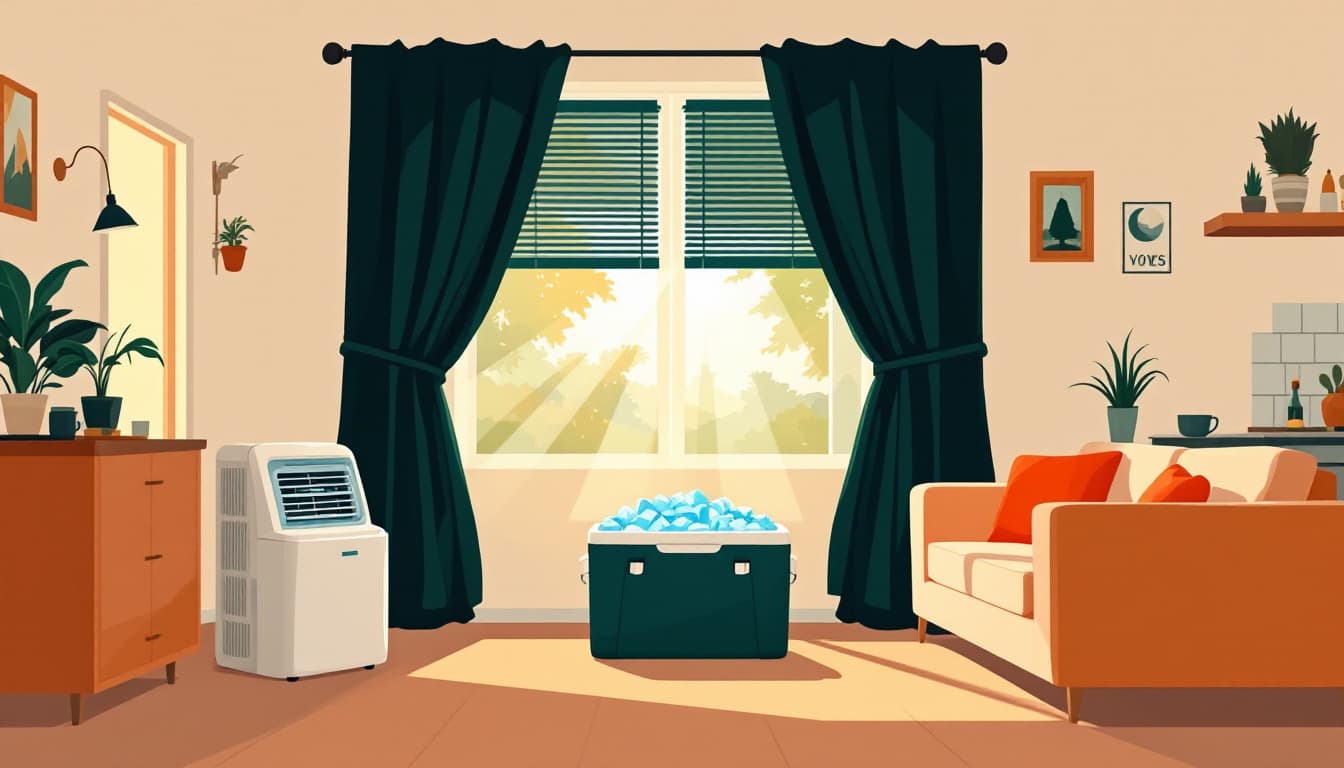
Stage a 48-hour no-AC kit in your lowest floor room. This is not a bunker. It's a box: battery-powered fan, frozen water bottles you cycle from the freezer, electrolyte packets, and a power bank for phones. If your AC quits at 6 p.m. on a Friday and the repair window is Monday, that box is the difference between an uncomfortable weekend and an emergency room visit — especially for anyone elderly or under five in your household.
Test every window unit or portable AC you own right now. If you have a secondary unit that hasn't run since last summer, run it for an hour today. Capacitors fail after long dormancy. Finding out it doesn't work during a normal Thursday is a very different problem than finding out during a heat advisory.
Look at your medication storage. Several common medications — certain blood pressure drugs, antihistamines, some antidepressants — reduce the body's ability to regulate heat. If anyone in your household takes a regular prescription, ask the pharmacist directly whether heat stress is a listed interaction. This is a ten-minute conversation that most households have never had.
The bigger picture
Florida in July is not a preparedness edge case. It is the baseline. The households that get into trouble during heat advisories are not the ones who panicked — they're the ones who assumed their existing systems would hold and never built a single layer of backup. The goal here isn't to live in fear of a heat wave. It's to spend ninety minutes and maybe forty dollars this week so that a multi-day advisory in the hottest part of summer is an inconvenience, not a crisis.
Durable households are boring. That's the point.