The last two years trained American households to expect prices to move in one direction. So when WREG.com's June 2026 price tracker showed gas prices declining and grocery costs finally giving some ground, it was easy to scroll past it as a feel-good headline. Don't.
A price dip — even a modest, temporary one — is the most underused tool in a prepared household's kit.
What's actually changing
Relief at the pump is real, though its causes are multiple and not all durable. Global crude supply has loosened somewhat, and summer blending requirements are largely priced in. Gas prices remain historically elevated compared to the early 2020s baseline, but regional averages have come down enough to matter for families running weekly commutes or hauling kids to summer activities.
The grocery picture is more nuanced. Certain categories — cooking oils, some canned proteins, eggs in many markets — have pulled back from their recent peaks. Others, particularly beef and branded cereals, haven't moved much. This is not broad-based deflation. It's category-level softening, and it won't last uniformly. Supply chains are still exposed to weather events, shipping cost volatility, and currency shifts that can reprice a shelf faster than most families can respond.
The key framing: price relief in consumer staples is almost never permanent. It's a window. The households who benefit most are the ones who recognize the window and act while it's open.
What we'd actually do
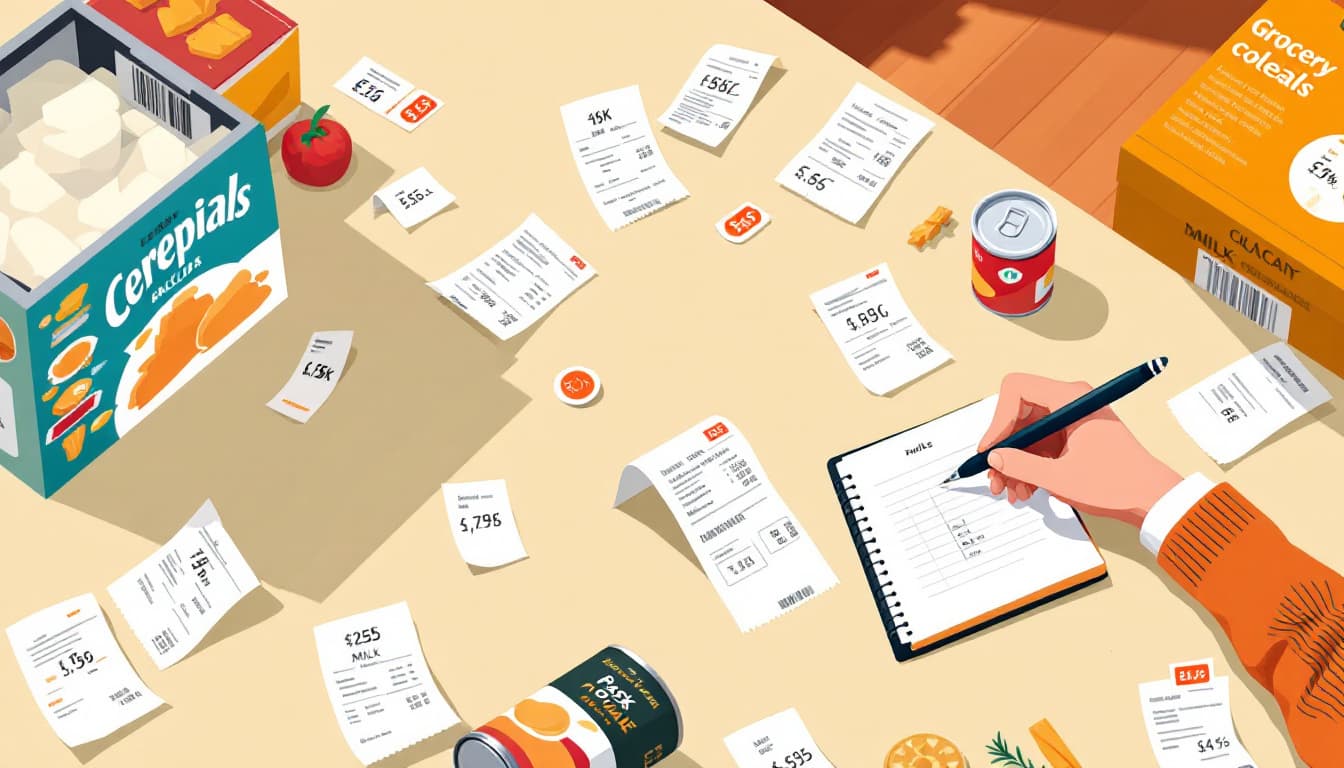
Top off your pantry's highest-rotation items now, at current prices. This isn't about hoarding. It's about buying what your family will definitely use, at a price below what you've been paying for 18 months. If your household goes through a case of canned tomatoes every six weeks, buying three cases today at a lower price is just rational budgeting. Focus on shelf-stable proteins, oils, grains, and anything you've watched spike and recover more than once. Keep a simple price log — even a notes-app list of what you paid per unit — so you know when you're actually buying at a discount versus just feeling like you are.
Use the gas price dip to rebuild your driving-errand efficiency. Cheaper fuel is a good moment to batch the errands you've been deferring. Consolidate the warehouse club run, the pharmacy pickup, and the hardware store into one loop instead of three separate trips. This isn't about hoarding fuel; it's about using a lower-cost moment to catch up on deferred tasks without the sting of paying peak prices for the miles.
Check your emergency cash buffer, not your investment account. When household costs ease, the instinct is to feel financially looser. Resist that. If the last two years drained any cash buffer you had — a common outcome for middle-income families absorbing 20%+ cumulative grocery inflation — a few months of reduced grocery bills is the right moment to rebuild it quietly, without heroic sacrifice. Even moving $50 to $100 per grocery cycle into a dedicated savings account during a soft-price window adds up faster than it feels.
Audit one recurring household expense while your attention is on prices. Price-awareness moments are rare. Use this one to look at a subscription, utility plan, or insurance policy you haven't reviewed in 12 months. Grocery prices grabbed your attention; let them carry you a step further. You won't find a deal every time, but households that review costs regularly catch the ones that compound quietly over years.
The bigger picture
Price cycles are real, and they favor families who plan over families who react. This dip doesn't mean inflation is solved, supply chains are stable, or that the last two years of cost pressure won't return in some form. It means the pressure has eased enough, right now, to make deliberate moves at a lower cost than you've had available recently.
Preparedness isn't about anticipating catastrophe. It's about being positioned to act well when conditions are favorable — and recognizing favorable conditions when they show up. This is one of them.