The Atlantic hurricane season opens June 1 every year, and every year the same dynamic plays out: forecasters issue an outlook, coastal residents brace or don't, and the rest of the country exhales. The Edwardsville Intelligencer pushed back on that exhale this week, noting that Illinois — sitting roughly 700 miles from the Gulf Coast — remains meaningfully exposed to what tropical systems leave behind.
That's not alarmism. It's hydrology.
What actually happens when a hurricane moves inland
Tropical systems lose wind speed rapidly once they cross the shoreline. What they don't lose quickly is moisture. A storm that made landfall as a Category 2 hurricane can still be carrying enormous amounts of Gulf water as it tracks north through Mississippi, Tennessee, and into the Ohio and Mississippi River valleys. When that moisture hits terrain or collides with a front, it drops. Fast.
The result is inland flooding, which is consistently the deadliest hazard associated with tropical systems — not storm surge, not wind. Recent NOAA postseason analyses have confirmed this pattern repeatedly: a majority of tropical-cyclone-related deaths in the U.S. occur inland, often in states that never saw a watch or warning posted.
Illinois sits at the confluence of two major river systems. When the Mississippi and its tributaries are already running high from spring rains, a tropical remnant delivering six to ten inches of rain over 48 hours doesn't need to be dramatic to be dangerous. The ground is already saturated. The rivers have nowhere to go.
What's actually changing
A lower-than-average seasonal forecast — which some outlooks this year have suggested — doesn't reduce the risk from any single storm. It just means there may be fewer named storms overall. One well-placed system is sufficient to cause a multi-county flood disaster in the Midwest. Forecast uncertainty at the seasonal level doesn't translate to safety at the household level.
What has changed over time is the relationship between storm moisture and rainfall totals. Warmer Gulf water temperatures in recent decades have meant that storms are carrying more precipitable water when they make landfall. The National Hurricane Center has been updating guidance on inland rainfall risk accordingly. Families who learned flood preparedness in the 1990s may be working off outdated mental models.
What we'd actually do
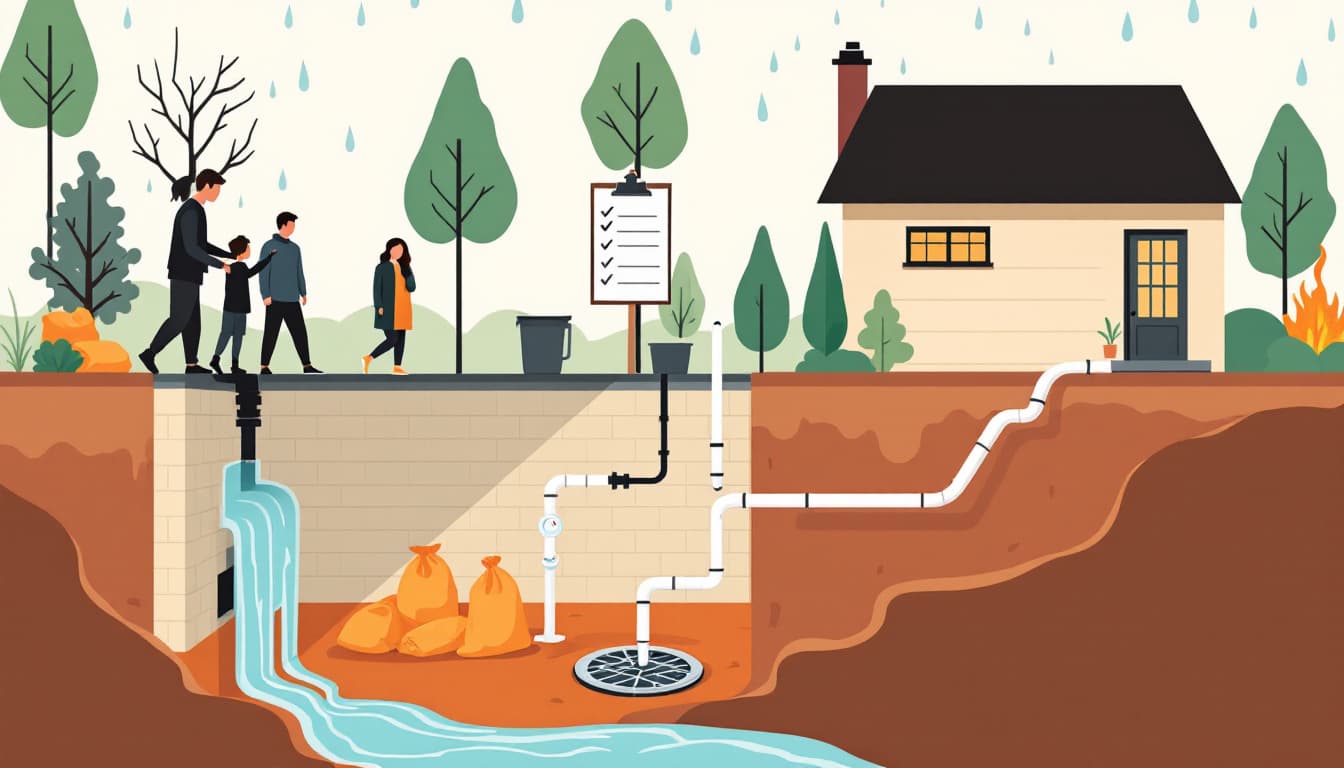
Check your flood zone status this week — not when a storm is named. Go to FEMA's Flood Map Service Center and enter your address. Many Illinois households in the Mississippi and Illinois River floodplains are in moderate-risk zones that don't require flood insurance under most mortgage agreements, but still flood. Knowing your zone before a storm is named takes about four minutes. Doing it during a storm watch is useless.
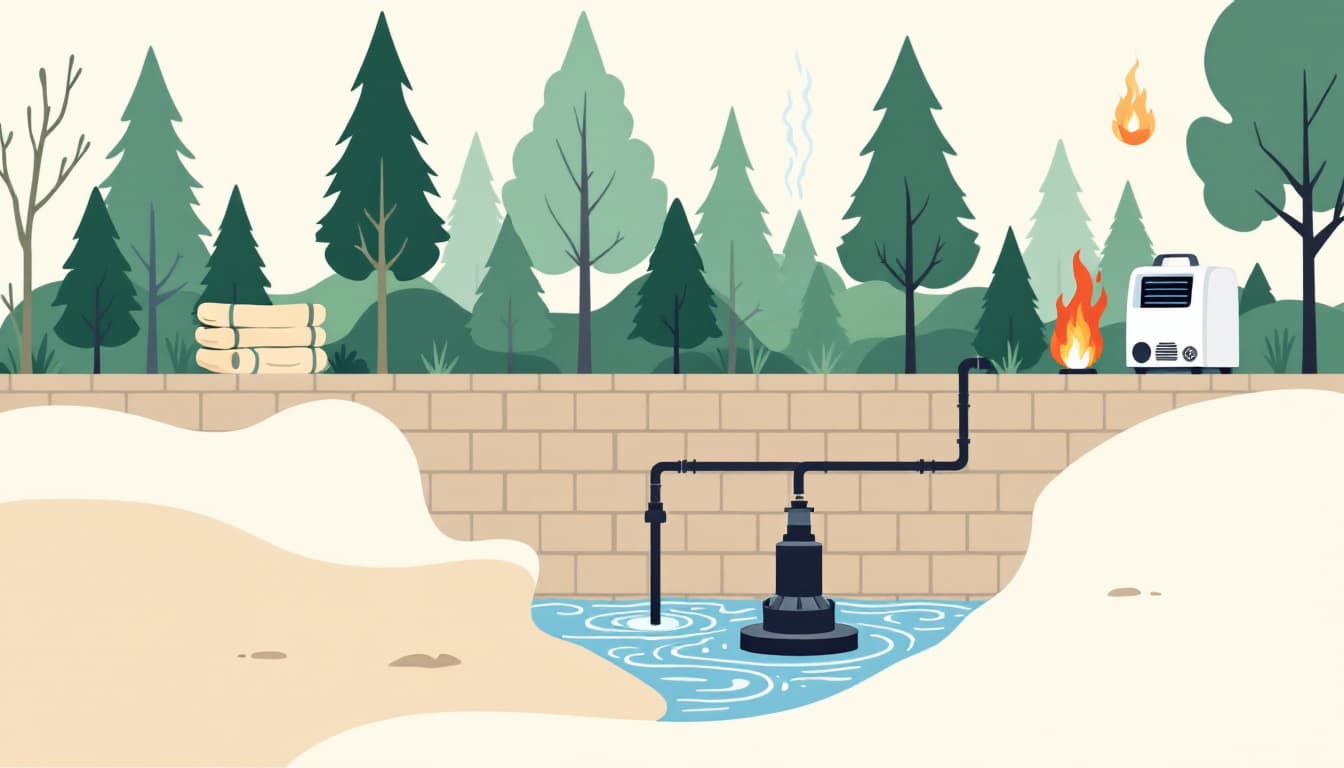
Stock a 72-hour shelter-in-place kit oriented around water intrusion, not wind. Most inland preparedness fails because it's built around tornado logic: short duration, immediate aftermath. Inland flooding from a tropical remnant can strand a household for two to four days. That changes what you need. A battery-powered sump pump, a hand pump for a well if you have one, waterproof document storage, and three days of food that doesn't require cooking are higher priorities than a weather radio you'll never use.
Identify your evacuation trigger in advance. If local emergency management issues a voluntary evacuation, most households wait for mandatory. By then, roads are compromised and shelters are crowded. Decide now: if the National Weather Service issues a Flash Flood Watch for your county with a tropical system in the region, what is your household's rule? A pre-agreed trigger removes the decision from a high-stress moment.
Review your renter's or homeowner's policy for flood exclusions. Standard homeowner's insurance does not cover flood damage. This is not fine print — it's a structural gap that surprises households every major flood year. Separate NFIP or private flood policies typically have a 30-day waiting period before coverage begins, which means the week a storm is named is too late to buy one. If you're in a moderate-risk zone, get a quote now.
Talk to your neighbors who've been there longer. In rural and semi-rural Illinois, local knowledge about which roads flood first, which intersections become impassable, and where the water goes in a heavy rain event is worth more than any county hazard map. This is free information that takes one conversation.
The bigger picture
Preparedness built around dramatic scenarios — direct hurricane strikes, catastrophic tornadoes, grid-down winters — often misses the mundane disasters that actually affect Midwest households most. Inland flooding is slower, less photogenic, and more predictable than most emergencies, which makes it both more preventable and, somehow, more neglected.
A quieter hurricane season doesn't mean a safer one for Illinois families. It means there may be fewer opportunities for a bad outcome — but the ones that exist are just as consequential. The goal isn't to be ready for the worst storm ever. It's to be ready enough that an average bad year doesn't wreck your household.
That's a much more achievable bar than most preparedness content suggests.