A report this week from Raccoon Valley Radio notes that drought conditions are worsening across their central Iowa coverage area. That region sits inside one of the country's densest corridors of corn and soybean production. When the soil there starts cracking in late July, families far outside Iowa have reason to pay attention — not in a panic, but in a planning sense.
What's actually changing
Regional drought in the Midwest is not unusual in August. What makes this cycle worth tracking is where it lands in a broader pattern. The U.S. Drought Monitor, which NOAA and the USDA update weekly, has shown persistent or intensifying drought across parts of the central Plains and upper Midwest for multiple consecutive weeks entering this summer. Consecutive-week persistence is the signal that separates a weather event from a supply-chain one.
Corn and soybeans are August crops in the sense that late-summer moisture stress directly hits yield. A yield cut doesn't show up at the grocery store this week. It shows up in corn-derived products, animal feed costs, and processed-food ingredient pricing over the following six to twelve months. Families who eat chicken, pork, eggs, tortillas, or anything sweetened with corn syrup are downstream of central Iowa's rainfall totals in ways most food-budget planners don't track.
The second effect is more immediate and more local: private wells. Roughly 13 percent of U.S. households rely on a private well, according to EPA estimates. In drought years, shallow wells in affected counties can drop in output or go dry by late summer. Municipal systems face a different pressure — peak demand from irrigation and lawn watering stresses treatment capacity and, in some communities, triggers conservation restrictions that most families don't prepare for until the restriction notice arrives.
What we'd actually do
Check your county's current drought-monitor classification before the end of this week. The U.S. Drought Monitor at droughtmonitor.unl.edu shows county-level designations from Abnormally Dry through Exceptional Drought. Knowing your current category takes four minutes and gives you a baseline. If you're in D2 or higher, the well and food-price effects discussed above are not hypothetical for your area.
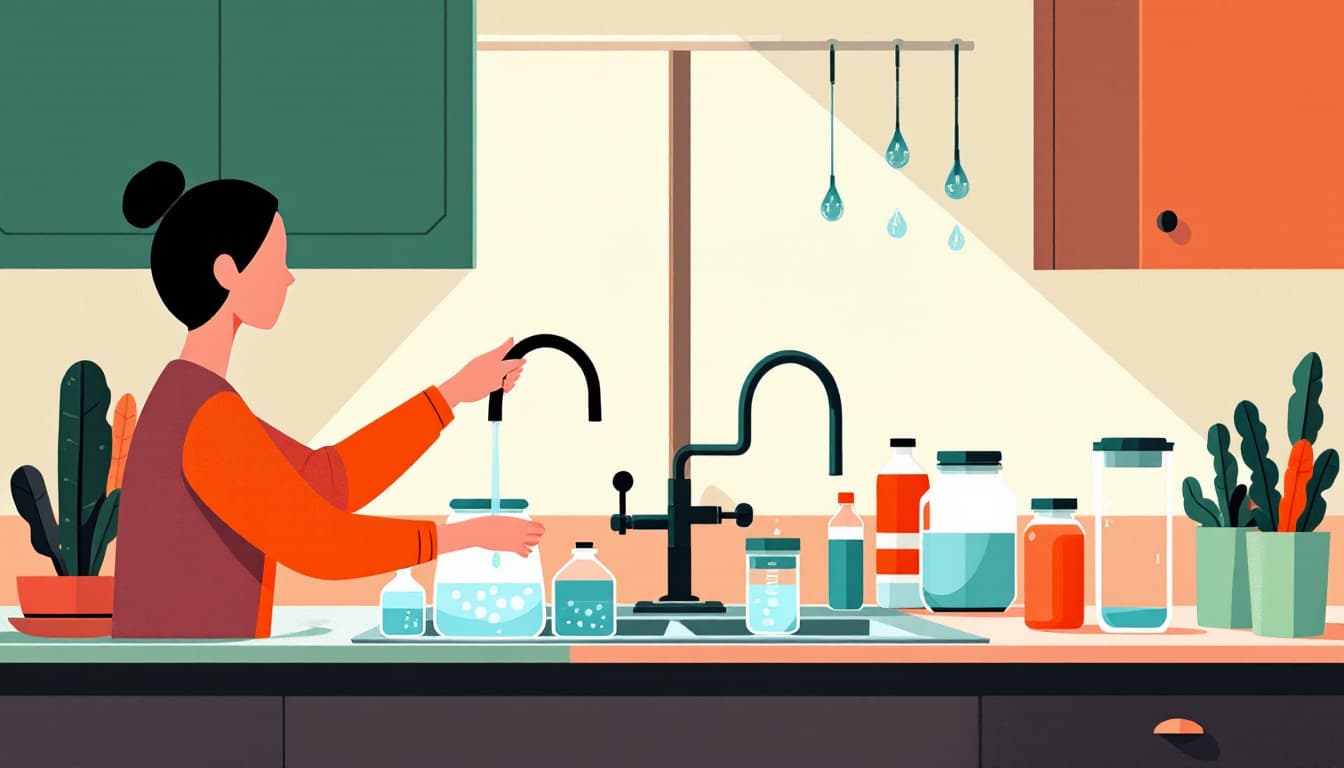
Audit your stored water against a three-day baseline. FEMA's standard household water recommendation is one gallon per person per day for drinking and sanitation. Three days for a family of four is twelve gallons — a number almost no household actually has on hand in a ready, dated, and rotated state. Fill and date three one-gallon jugs per family member this weekend. Rotate them every six months. This is not a doomsday hedge; it covers a boil-water advisory or a 48-hour municipal pressure drop, both of which happen multiple times per year across the country.
If you're on a well, call a licensed well driller or pump service this month, not in September. Drought years create backlogs for well services by mid-August. A basic water-level check and pump inspection runs $150–$300 in most markets. That's cheap compared to an emergency pump replacement when your neighbor is also calling at the same time.
Build a one-month buffer on the five shelf-stable items most exposed to corn and feed-price inflation. Eggs are already volatile. Chicken thighs, canned beans, tortillas, and cooking oil round out a short list of items where a 10–15 percent price increase is realistic within the next two purchase cycles if yield estimates fall. Buying one extra unit of each on your next two grocery runs is not hoarding — it's smoothing your own household price exposure.
If you grow anything, water it strategically rather than uniformly. In drought years, the common mistake is spreading limited water across an entire garden. Triage. Prioritize whatever you'd actually preserve or eat, and let ornamental or low-yield plants go. This extends the value of whatever municipal or well water you're using.
The bigger picture
Central Iowa's drought is a local story with a national echo. Supply chains for food, water treatment chemicals, and agricultural inputs are more geographically concentrated than most households realize. A dry August in one corridor lands in your food budget in February. The goal of tracking these signals isn't to stockpile obsessively or assume the worst — it's to shrink the gap between when something changes and when your household notices it. Durable families aren't the ones with the most gear. They're the ones who stopped being surprised.