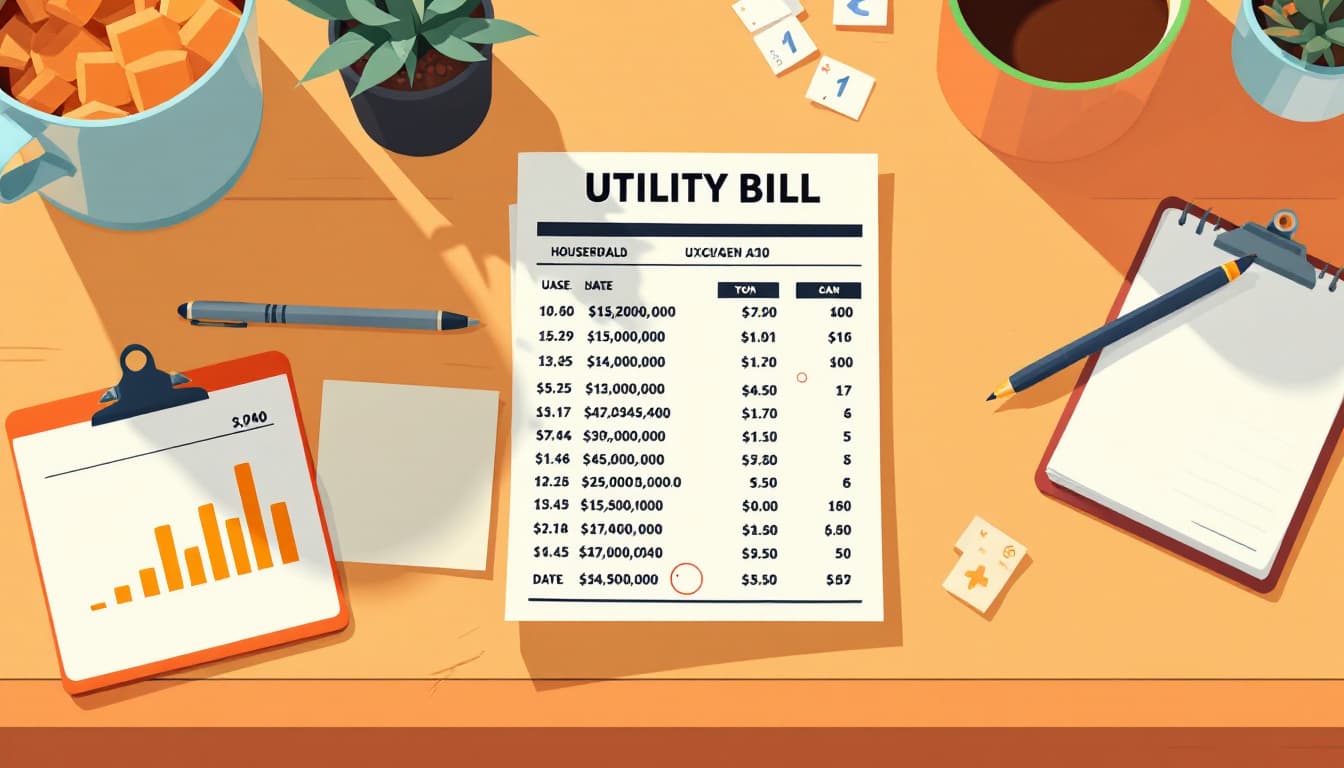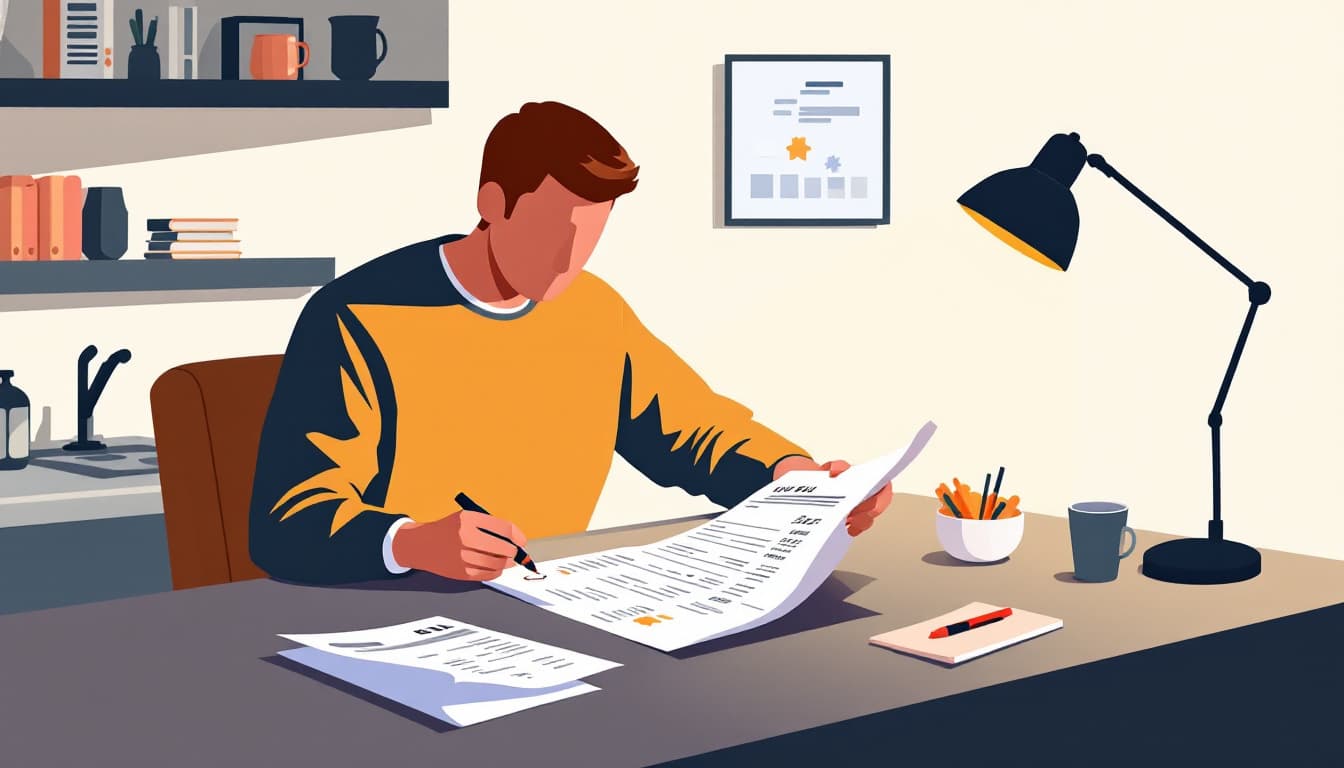
Somewhere in a kitchen junk drawer, or more likely a downloaded PDF that never gets opened, is last month's electric bill. It has a due date and a dollar amount. Most people learn those two numbers and close the file.
That is a skill gap. Not a survival gap — a life gap. And like most life gaps, it gets expensive slowly, then all at once.
What a utility bill actually contains
A typical residential electric bill is not a single number. It is a layered document. There is a base customer charge that you pay regardless of usage. There is a per-kilowatt-hour rate, which may tier upward as you use more. There may be a fuel adjustment clause — a line item that floats with what your utility paid for natural gas or coal that month. There is likely a grid maintenance fee, sometimes called a distribution charge. There may be a demand charge if your household crosses a usage threshold during peak hours. And there is, almost always, a set of taxes and riders that together can add 15 to 25 percent on top of the base charges.
Most households read none of this. They see $187 and either pay it or feel briefly bad about the thermostat.
The framework: a bill is a diagnostic, not a receipt
Here is the reframe worth internalizing. A receipt tells you what you owe. A diagnostic tells you what is happening inside a system. Your utility bill, read carefully, tells you which appliances are working hard, whether your insulation is degrading, whether a water heater element is starting to fail, and whether the utility itself is passing through cost increases that will keep climbing.
The fuel adjustment clause, in particular, is worth understanding. When wholesale energy prices spike — for any number of reasons — utilities in most states are permitted to pass that cost through to customers on a rolling basis, sometimes months after the fact. Families who understand this line item are not surprised when a bill jumps in January. Families who do not understand it call the utility confused and assume there is a billing error.
That confusion is more than a minor annoyance. Under financial stress, misreading a bill leads to late payments, credit dings, and service interruption risks that compound quickly.
Why people get this wrong
The standard preparedness framing around utilities is: know how to turn off your main breaker and store water in case the pipes go down. That is all reasonable. But it skips the daily operating layer — the part where you are not in an emergency but are still making decisions that affect your household's financial cushion.
The broader pattern is that preparedness culture tends to fixate on catastrophic discontinuities (the grid goes down, the storm hits) while skipping the slow-moving vulnerabilities that actually erode household resilience over years. A family that has spent five years overpaying for electricity because they never noticed their electric water heater was cycling inefficiently has less margin for everything — including the actual emergencies.
There is also a learned helplessness element. Utility bills are deliberately not designed for readability. Rate structures are genuinely complex. Most people tried to understand their bill once, found it opaque, and stopped trying. The answer to that is not to try harder — it is to find one good explainer (most state utility commissions publish plain-language rate guides, often buried on their websites) and spend 45 minutes with it once.
What to do this week
Pull the last three months of utility bills — electric, gas, or both if applicable. You are looking for four specific things:
1. Your base charge versus usage charge split. If your base customer charge is $25 and your total bill is $90, you are paying nearly 30 percent just to be connected. That ratio matters when thinking about conservation efforts — you cannot bill-reduce your way below that floor.
2. Your per-kilowatt-hour rate, and whether it tiers. Many utilities charge a lower rate for the first 500 kWh and a higher rate above that. If you are consistently in the upper tier, modest load-shifting (running the dishwasher at 10 p.m.) may actually move the needle.
3. Any line item that changed between months without a clear reason. That is usually a fuel adjustment or a regulatory rider. Look it up by name. Your utility's website is required to explain it.
4. Your year-over-year comparison. Most bills include a small chart. If your usage is flat but your bill is up, the rate changed. That is useful to know before you assume the problem is behavioral.
Set a calendar reminder to do this review quarterly. The whole thing takes 20 minutes once you know what you are looking at.
The bigger picture
There is a version of preparedness that is almost entirely about stockpiling and gear. That version will sell you a lot of things. A more durable version is about maintaining clear sight lines into your own household systems — financial, physical, and logistical — so that you are not making decisions blind when conditions tighten.
Reading your utility bill carefully is not exciting. It does not feel like resilience. But it is exactly the kind of low-drama skill that quietly widens your margin over years, surfaces problems before they become crises, and keeps you from being surprised by a line item you could have understood in an afternoon.
That is the compound interest of practical competence. It pays before anything goes wrong, and it pays again when something does.