Nashville's heat index topped 105°F on multiple days last summer, and a report this week from WSMV signals that those conditions are returning to Middle Tennessee soon. The forecast is not a surprise — August in the Cumberland Plateau's shadow is reliably brutal — but "it's hot again" is not a plan.
The gap between a weather alert and a household that handles it well is where this piece lives.
What's actually changing
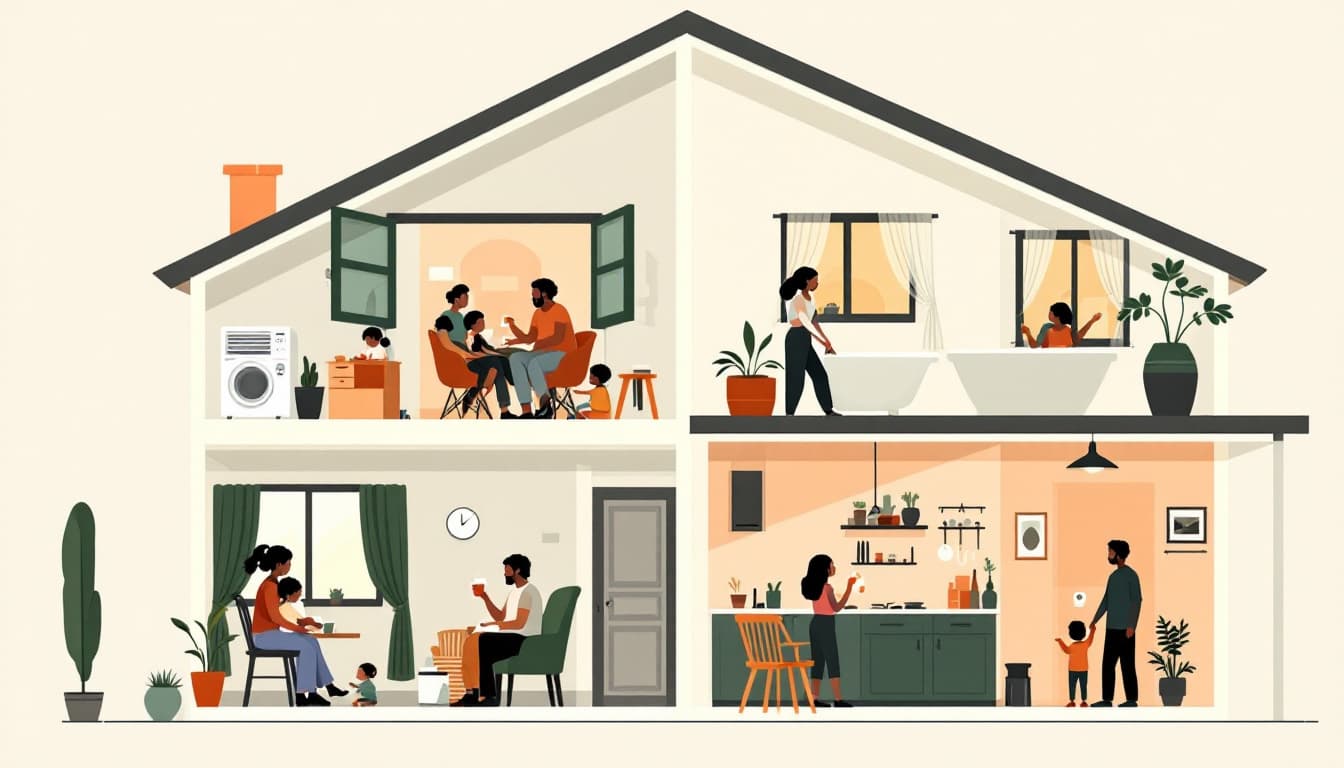
Middle Tennessee's heat events have gotten longer. That's the piece the forecast graphic doesn't show. It's not just that daily highs are high; it's that overnight lows in Nashville, Murfreesboro, and Clarksville have crept up enough that homes without central air no longer fully recover between afternoon peaks. A house that reaches 85°F indoors at 2 p.m. and drops only to 80°F by 6 a.m. is compounding heat stress on everyone inside it — including pets, medications, and anyone who is elderly, pregnant, or on diuretics.
TVA and the local power distributors it supplies — Nashville Electric Service, Middle Tennessee Electric, and others — have issued demand alerts during heat events in recent years, and rolling demand reductions are a real, if low-probability, risk during a sustained multi-day event. That is not a reason to panic. It is a reason to have thought through what you do if your AC goes down for 18 hours in late August.
Heat is also the leading weather-related cause of death in the U.S. by most public health measures. Tennessee's rural counties — particularly those without nearby cooling centers — carry disproportionate risk because driving distance to help is longer and social check-in networks are thinner.
What we'd actually do
Get a single indoor thermometer and put it somewhere you'll actually see it. Not your phone app, which reports outdoor ambient air. A $12 digital indoor thermometer in your living space tells you whether your AC is keeping up. If it's reading above 80°F at midnight, something is wrong — either the system is struggling or a door or window is compromised — and you want to know that before someone gets sick, not after.
Locate your nearest cooling center before you need one. Tennessee's county emergency management offices and many local libraries maintain lists; Nashville's Metro Public Health Department has historically published them during heat advisories. Find the address, confirm the hours, and note it somewhere that isn't your phone's battery-dependent notes app. If you have a neighbor who is elderly or lives alone, share that information with them now.
Create a 24-hour power-loss heat plan as a household. This means deciding in advance: at what indoor temperature do you leave? Where do you go? A family with a working vehicle and a credit card can drive to a hotel or stay with relatives — that's a plan. A family without those options needs the cooling center address from the previous step. The plan doesn't need to be elaborate. It needs to exist before the event, because making decisions at 95°F indoors at 10 p.m. is harder than it sounds.
Check any medications stored above 77°F. Insulin, certain thyroid medications, and some cardiac drugs degrade faster in sustained heat. Tennessee summers regularly push garage refrigerators and bathroom medicine cabinets above safe storage temps. Pull anything critical and verify the manufacturer's storage guidance. If you're insulin-dependent and your power goes out, that is a medical emergency on a 12-hour clock, not a 72-hour one.
Audit your window units and filters before the next heat spike, not during it. A clogged filter can reduce a window unit's efficiency enough that it can't hold a room. Takes five minutes to check. HVAC technicians in Nashville and Murfreesboro are booked solid during heat events — the time to find out your system needs a capacitor replaced is before the index hits 108°F.
The bigger picture
Tennessee households that are durable through a heat event are not the ones with the most gear. They're the ones that made two or three small decisions in advance: where to go, who to check on, what medication needs to stay cool. Heat preparedness is almost entirely about social infrastructure and a little bit of advance logistics.
The goal isn't to survive an apocalypse. It's to have a better August than your neighbors who didn't think about it at all.