Last summer, the Raleigh area recorded more than two weeks of consecutive days above 95°F — a stretch that would have been statistically unusual a decade ago. This summer, the forecast models suggest more of the same.
A report covered recently by MSN outlines policy-level strategies for shielding North Carolina communities from extreme heat: expanded cooling centers, tree canopy programs, updated building codes. That work matters. But it operates on a five-to-ten year timeline. Your household needs a plan for this July.
What's actually changing
North Carolina sits in a transition zone that makes its heat profile unusual. The western mountains historically offered an escape valve — Asheville and Boone staying 10 to 15 degrees cooler than Charlotte or Wilmington on bad days. That buffer is narrowing. The Piedmont's urban heat islands have been intensifying for years, and the coastal plain bakes with humidity that pushes heat index values well above the air temperature. The NC Department of Health and Human Services tracks heat-related emergency department visits each summer, and recent seasons have shown increases concentrated in Mecklenburg, Wake, Forsyth, and Cumberland counties — not rural areas, but dense suburban corridors where people assume infrastructure will protect them.
Power is the hidden variable. Heat events in North Carolina increasingly coincide with grid stress. Duke Energy serves most of the state, and during prolonged heat domes, rolling conservation requests — and occasionally rolling outages — are a real possibility. A household that loses air conditioning at 10 p.m. when the outdoor temperature is still 88°F faces a meaningfully different risk than one that loses heat in winter. Core body temperature rises fast in stagnant hot air, especially for the elderly, infants, and people on certain medications including diuretics, beta blockers, and antipsychotics.
The report's community-level recommendations are correct and necessary. Cooling centers help the most vulnerable. Canopy programs reduce ambient temperatures over decades. But a thinking family in Greensboro or Fayetteville or New Bern cannot wait for those interventions. The gap between policy announcement and household protection is where people get hurt.
What we'd actually do
Audit who in your household or immediate network is most at risk, and make a contact plan now — before a heat event — not during one. The people most likely to die in a heat emergency are older adults living alone, people with chronic illness, and outdoor workers. If your parents or neighbors fit that profile, a daily check-in call during a heat advisory costs nothing. NC's 211 service can also connect vulnerable residents with cooling assistance programs; knowing that number before you need it is the point.
Find your two nearest public cooling spaces and confirm their summer hours. Most NC counties publish cooling center lists through their emergency management offices. Libraries, community centers, and some faith organizations participate. Write down two options — not just one — because the nearest one may be closed or at capacity. This takes 15 minutes to research now.
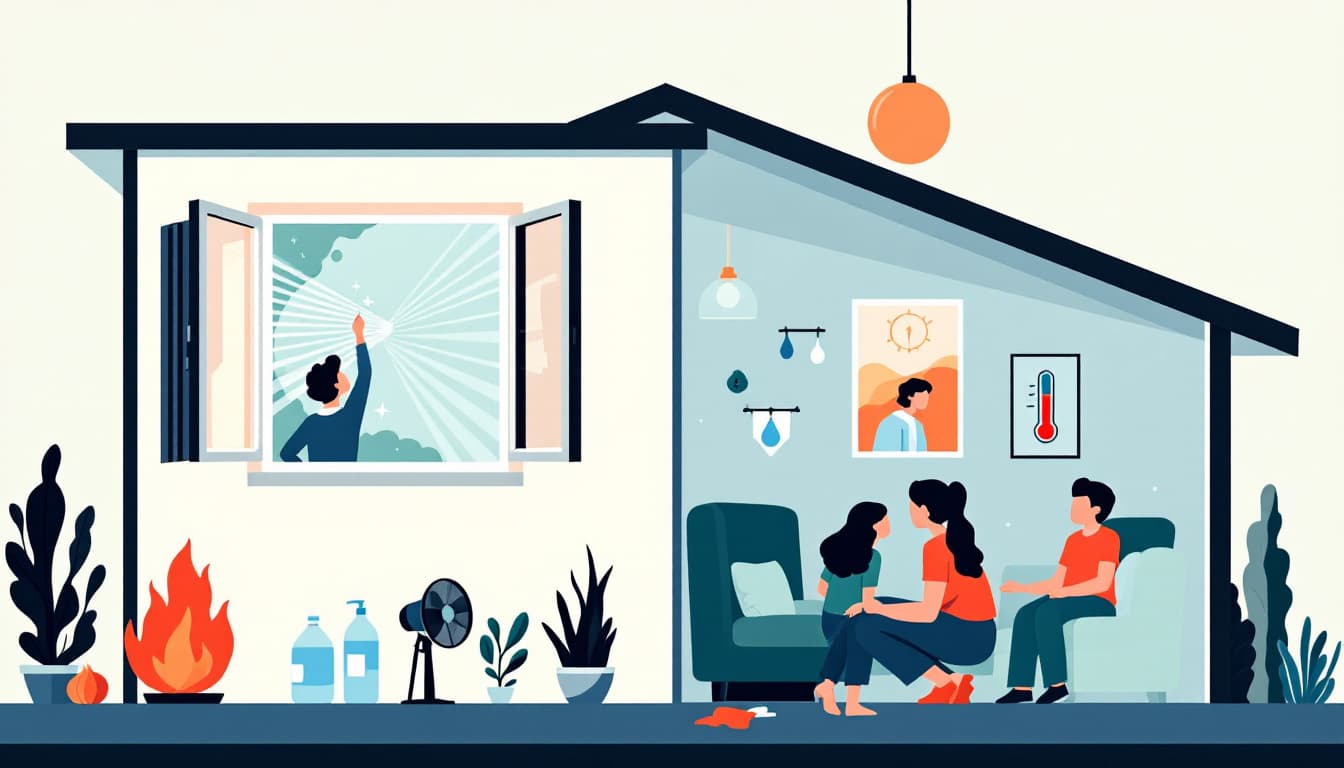
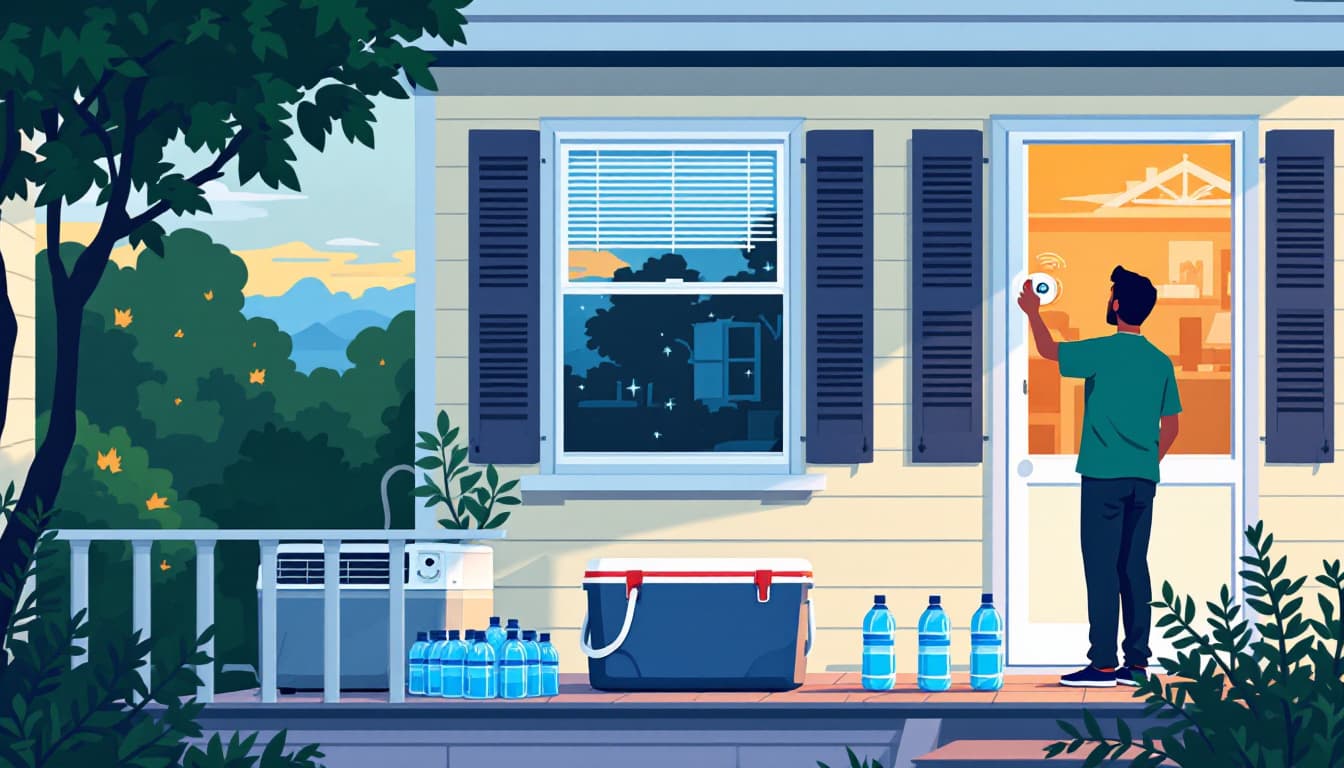
Test your backup cooling capacity this month, not in August. A window AC unit that's been in storage may not work. A box fan pulling air across a shallow pan of ice is not a myth — it provides meaningful relief in a single room. If your household depends on central air and you've never thought about what happens when it fails, spend $40 on a box fan and know where it lives. If you have elderly relatives, a $150 portable AC unit stored in a closet is a reasonable investment.
Sign up for NC Emergency Management's weather alerts and know what a heat advisory versus an excessive heat warning actually means. A heat advisory means conditions are uncomfortable and risky for vulnerable groups. An excessive heat warning means dangerous conditions are expected for the general population — that's when you change your behavior, not just theirs. NCEM's ReadyNC app and website both offer free local alerts.
Check your medications. If anyone in your household takes medications that affect heat tolerance — again, diuretics, beta blockers, antipsychotics, antihistamines — ask your pharmacist specifically about heat risk. This is a 10-minute conversation that most people never have.
The bigger picture
North Carolina is not uniquely fragile. But it is a state where a lot of people moved from more temperate climates, bought homes with aging HVAC systems, and haven't thought through what three consecutive 100°F days would actually require of them. The new report's policy recommendations are the right long-term frame. Your job is the short-term one: make sure your household can survive a multi-day heat event without depending on a cooling center that may be miles away and overwhelmed.
Durability doesn't mean a bunker. It means knowing your risks, knowing your resources, and closing the gap between them before July.