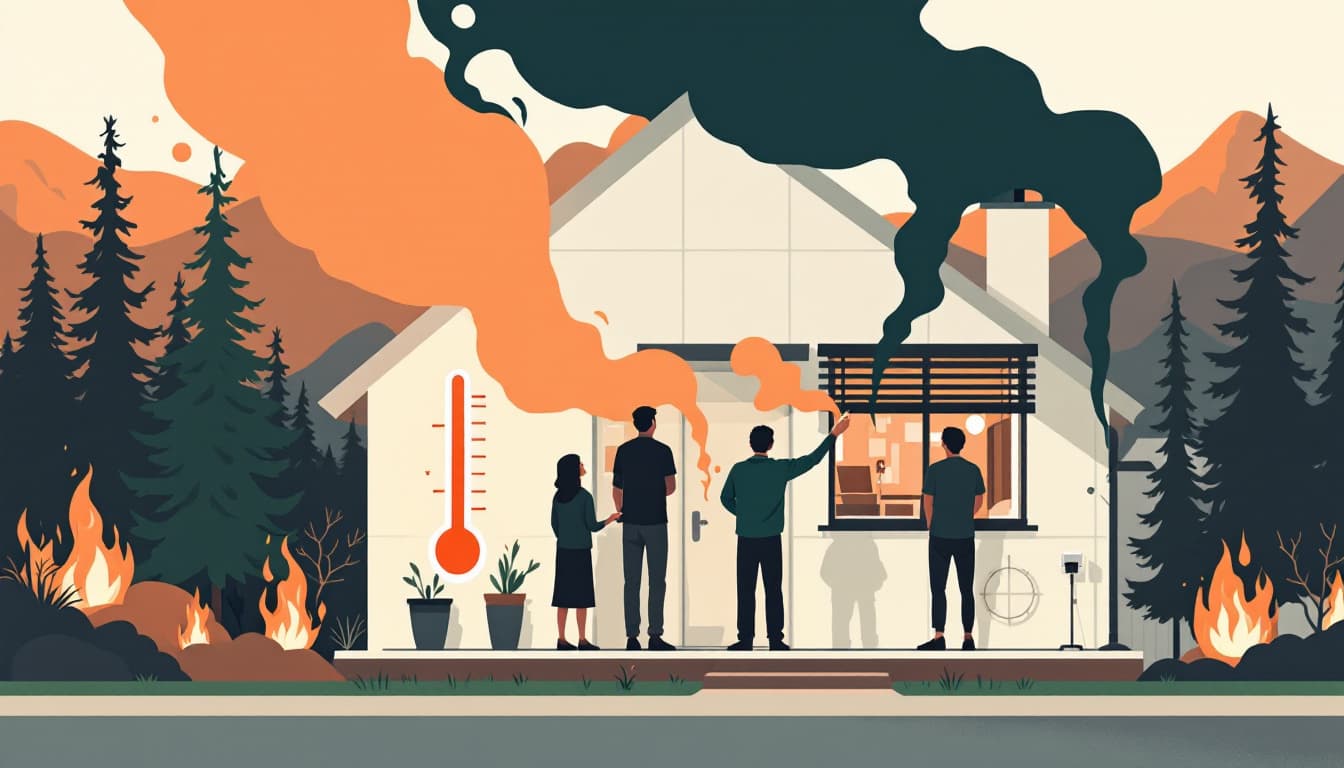
A report this week from ABC11 News puts temperatures across North Carolina above 100°F and climbing, with no significant relief in the forecast through the week. The Piedmont and Sandhills regions are bearing the worst of it. This is not a heat advisory — it is a sustained, multi-day event, and those are the ones that kill people and collapse household systems.
Here is the gap in most heat reporting: it tells you to stay cool, drink water, and check on the elderly. That advice is fine as far as it goes. It does not help you think through what actually fails in your house after three consecutive days of triple-digit heat.
What actually changes after 72 hours of extreme heat
The power grid buckles. Duke Energy and Dominion North Carolina Power both serve large portions of the state, and residential cooling demand during a prolonged heat event strains distribution infrastructure in ways a single hot afternoon does not. Rolling or unplanned outages become more likely after day two. If your plan for heat is "run the AC," your plan has a single point of failure.
Medications degrade. Insulin, certain blood thinners, and some thyroid medications have storage temperature limits that are lower than your car interior or a sun-facing bathroom cabinet. Recent pharmacy guidance from the FDA suggests some insulins lose potency at sustained temperatures above 77°F. If anyone in your household depends on temperature-sensitive medication, this is not theoretical.
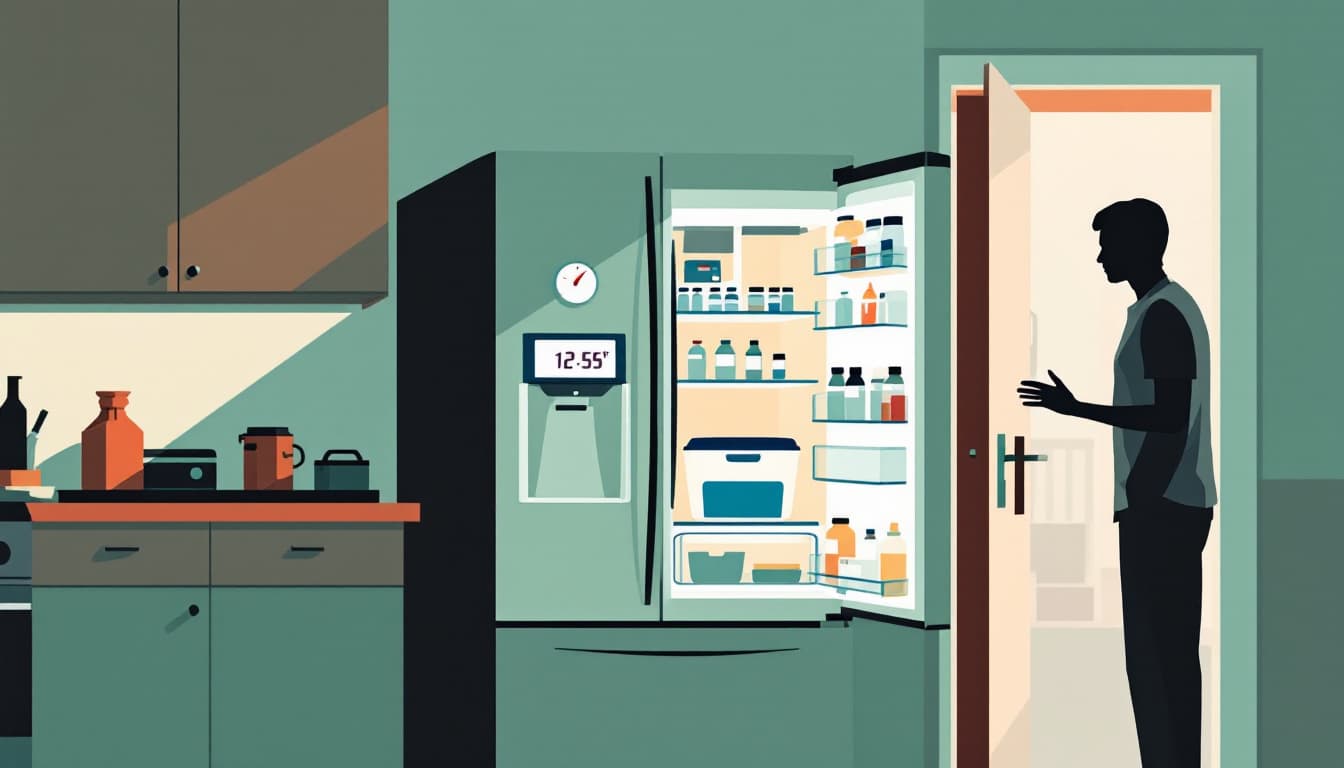
Food safety windows shrink. A refrigerator that loses power during peak heat loses its safe zone faster than the standard four-hour rule assumes. With ambient temperatures at 100°F, that window can compress meaningfully.
Older homes overheat faster. Much of North Carolina's housing stock — particularly in smaller cities like Rockingham, Laurinburg, and rural Alamance County — was built before modern insulation standards. Those homes shed cool air faster and absorb radiant heat through the roof and walls in ways a 1990s or later build does not.
What we'd actually do this week
Identify your household's single most heat-vulnerable point and address it today. That might be a family member on insulin, a chest freezer full of summer garden produce, or a bedroom that faces west and has no ceiling fan. Pick the one thing that causes the most real harm if the heat continues, and act on that specifically. Broad "preparedness" that touches everything lightly accomplishes less than solving one real problem completely.
Build a no-power cooling plan before the outage, not after. Find the lowest floor of your home — heat rises and basements or ground floors stay meaningfully cooler. Know your nearest cooling center: North Carolina's county-level emergency management offices (check your county's NCDHHS-affiliated site) are required to publish cooling center locations during heat emergencies. The Mecklenburg County and Wake County emergency management pages have updated these in the last 48 hours. Know the address before you need it.
Move temperature-sensitive medications to your most stable interior space now. An interior closet on the ground floor, away from exterior walls, is consistently cooler than a bathroom or kitchen. If someone in your household uses insulin, ask their pharmacist this week — not next week — about their specific product's tolerance range. Pharmacists will tell you. Most people never ask.
Put ice and a cooler in the trunk tonight. Not because you need it right this moment, but because the hardware stores and grocery cooler sections empty out within hours of a grid failure announcement. A $6 bag of ice and a cooler you already own creates a medication-safe zone that lasts 24-36 hours if you keep it closed. This costs almost nothing and solves a real problem.
Check on one specific neighbor, not "the neighborhood" generally. Chose someone elderly, someone who lives alone, or someone whose home you know has no central air. Send a text or knock. If you cannot reach them, that is actionable information. Vague community solidarity does not stop heat deaths. One person checking on one person does.
The bigger picture
North Carolina is experiencing what climate scientists have been flagging for years: heat events that used to last two or three days are now stretching to five or seven. The state's emergency infrastructure is functional but was not designed for this cadence. Your household's job is not to prepare for collapse — it is to build enough buffer that a five-day heat event is an inconvenience, not a crisis.
Durable households are not stockpiled households. They are households where someone thought through the single most likely failure, fixed it cheaply before the emergency, and knows two phone numbers they would actually call.
The heat will break. Build the habits before it does.