A recent report from Yale Climate Connections highlights a simple intervention: a $20 insulated hydration backpack designed to help farmworkers maintain fluid intake during extreme heat shifts. The story is framed around agricultural labor, and rightfully so. But read it as a North Carolina household and the subtext becomes clear — heat season is a logistics problem, not just a comfort problem, and most families are underprepared for it.
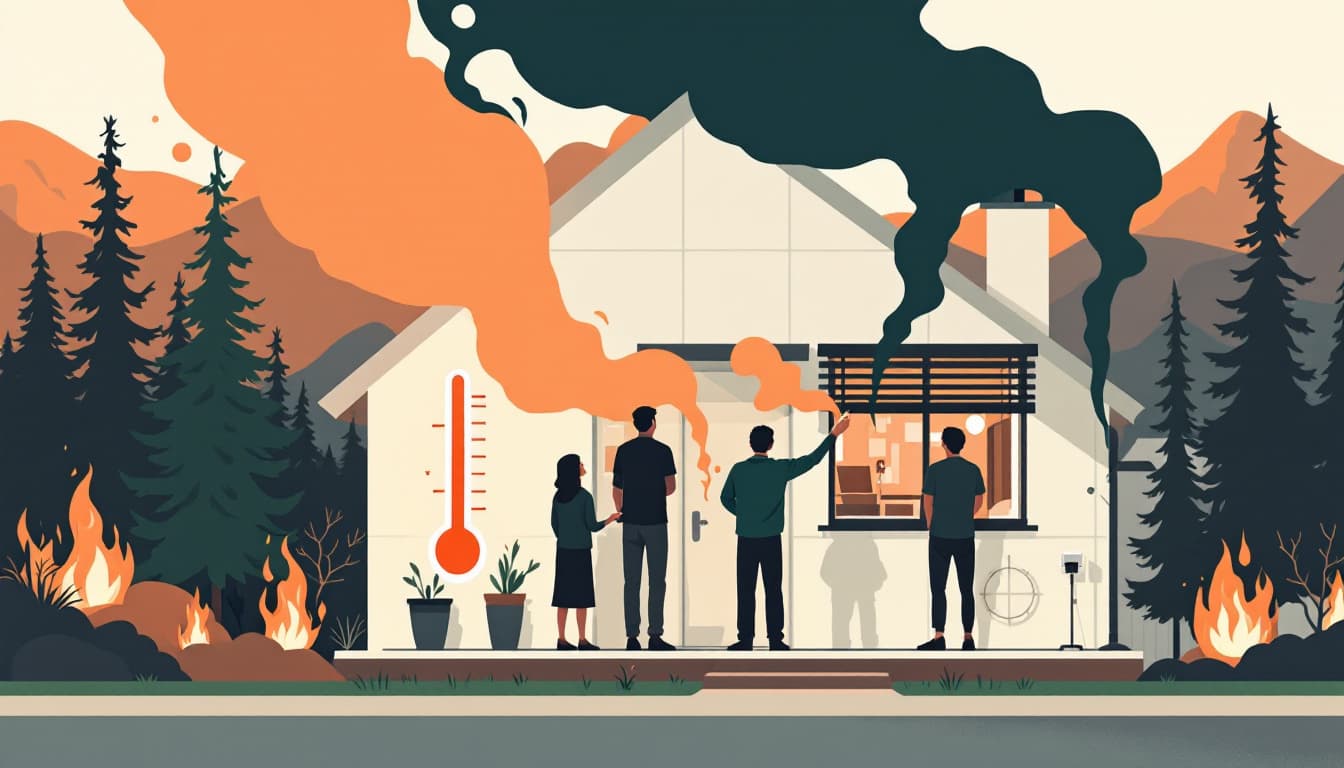
North Carolina's climate has shifted enough that the western mountains, the Piedmont, and the coastal plain now regularly see multi-day heat events that push heat index values well past 100°F. The NC Department of Health and Human Services tracks heat-related illness data each summer, and the pattern is consistent: the highest-risk days cluster in July and August, but dangerous conditions arrive earlier every year. By late May, parts of the Sandhills and the Piedmont are already posting heat advisories.
What's actually changing
The farmworker hydration story is about a specific, high-exertion population. Your household probably isn't doing eight-hour shifts in a tobacco field. But the underlying problem — that people underestimate fluid loss during sustained heat and don't have systems to compensate — applies to anyone doing outdoor work, caring for elderly relatives without reliable air conditioning, or managing a power outage in August.
Three North Carolina realities make this more relevant than it might appear elsewhere:
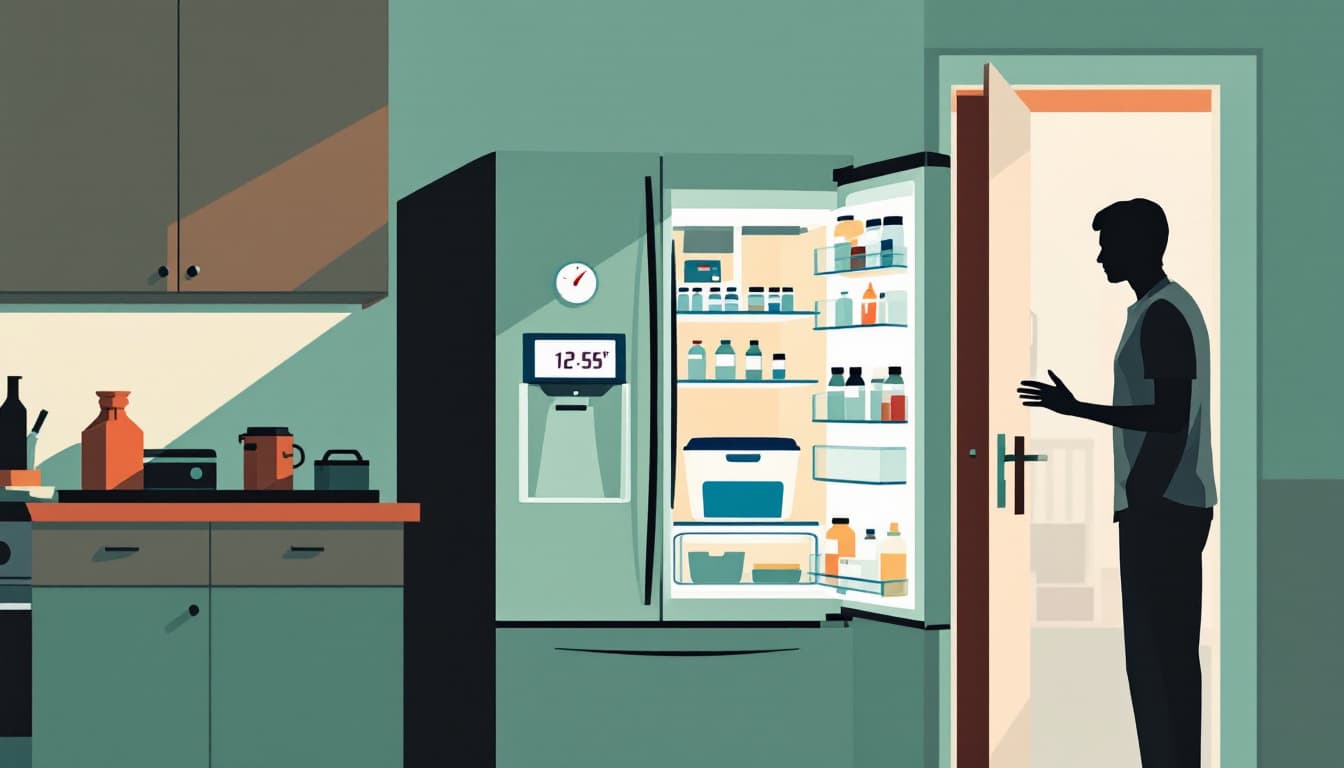
Power grid pressure. Duke Energy's service territory covers most of the state. Extended heat events put sustained load on the grid, and outages during heat waves are not rare. A home that loses power at 95°F becomes dangerous within hours for the very young, elderly residents, and anyone with cardiovascular or respiratory conditions.
Rural geography. A large share of NC households are more than 20 minutes from a cooling center. If the grid goes down in Rowan County or Robeson County, "just go to the mall" is not a practical answer.
The Helene hangover. Many western NC households are still in various stages of rebuilding after the 2024 flooding. Homes that took structural damage may have compromised insulation or HVAC systems, making them harder to cool and faster to heat up.
What we'd actually do
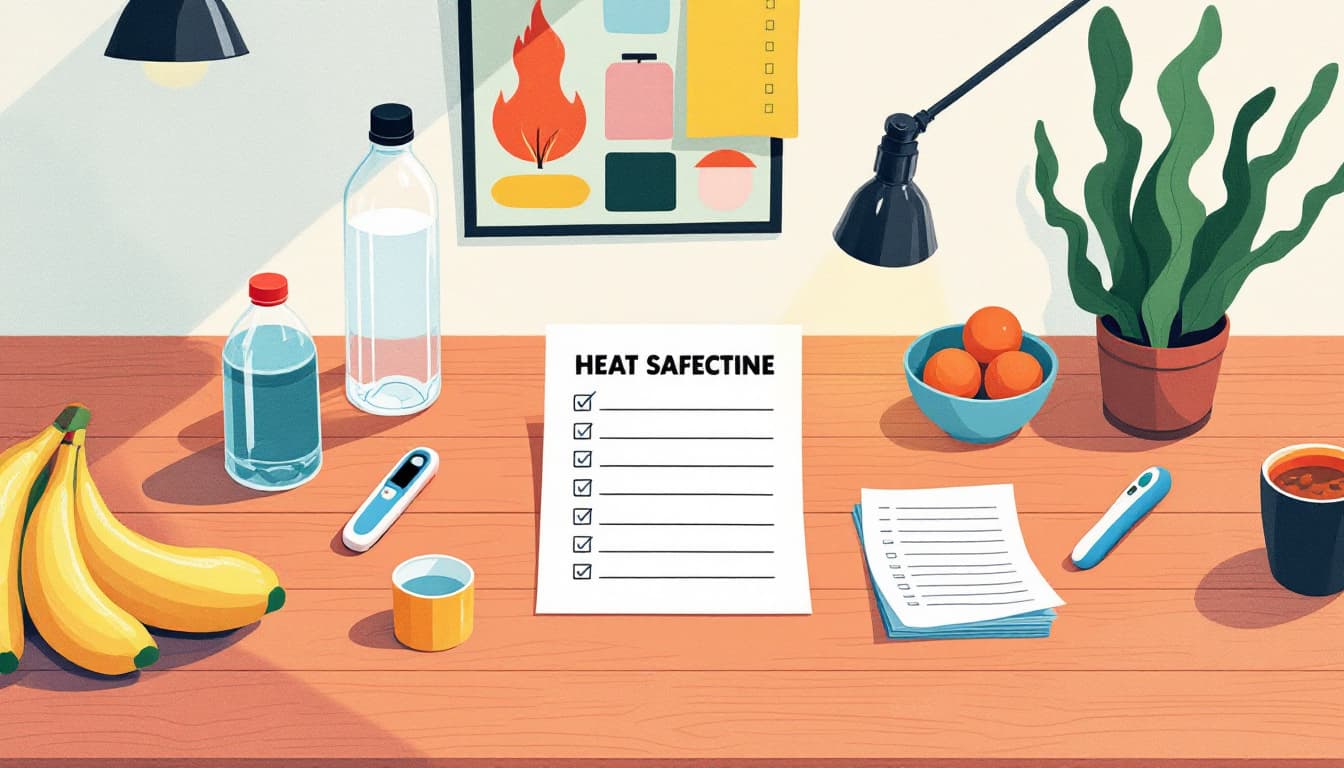
Buy and stage hydration supplies before the first heat advisory. One gallon of water per person per day is the standard reference point for short-term emergencies. For a four-person household facing a 72-hour outage in July, that's 12 gallons — most families don't have it. A case of water and a filled bathtub gets you partway there; a WaterBOB bladder (around $30) lets you store up to 100 gallons in a standard tub before a storm or outage. The farmworker backpack in the Yale story works because it keeps cold water accessible without a fridge. The same logic applies to a small insulated cooler staged near wherever your family spends heat-emergency time.
Identify your nearest cooling center now, not during the emergency. NC 211 maintains a statewide resource directory that includes cooling center locations during heat emergencies. Look it up today, save the number, and note the hours. If you have elderly neighbors or relatives without reliable AC, make the plan now for how you'd get them there.
Audit your home's heat retention. A power outage in a well-insulated home with blackout curtains and ceiling fans buys you significantly more time than one in a poorly sealed house. Walk your home with this question in mind: if the AC stops at noon, how hot does this get by 6 PM? Inexpensive interventions — blackout curtains on south- and west-facing windows, door draft seals, a battery-powered fan — can shift that answer meaningfully.
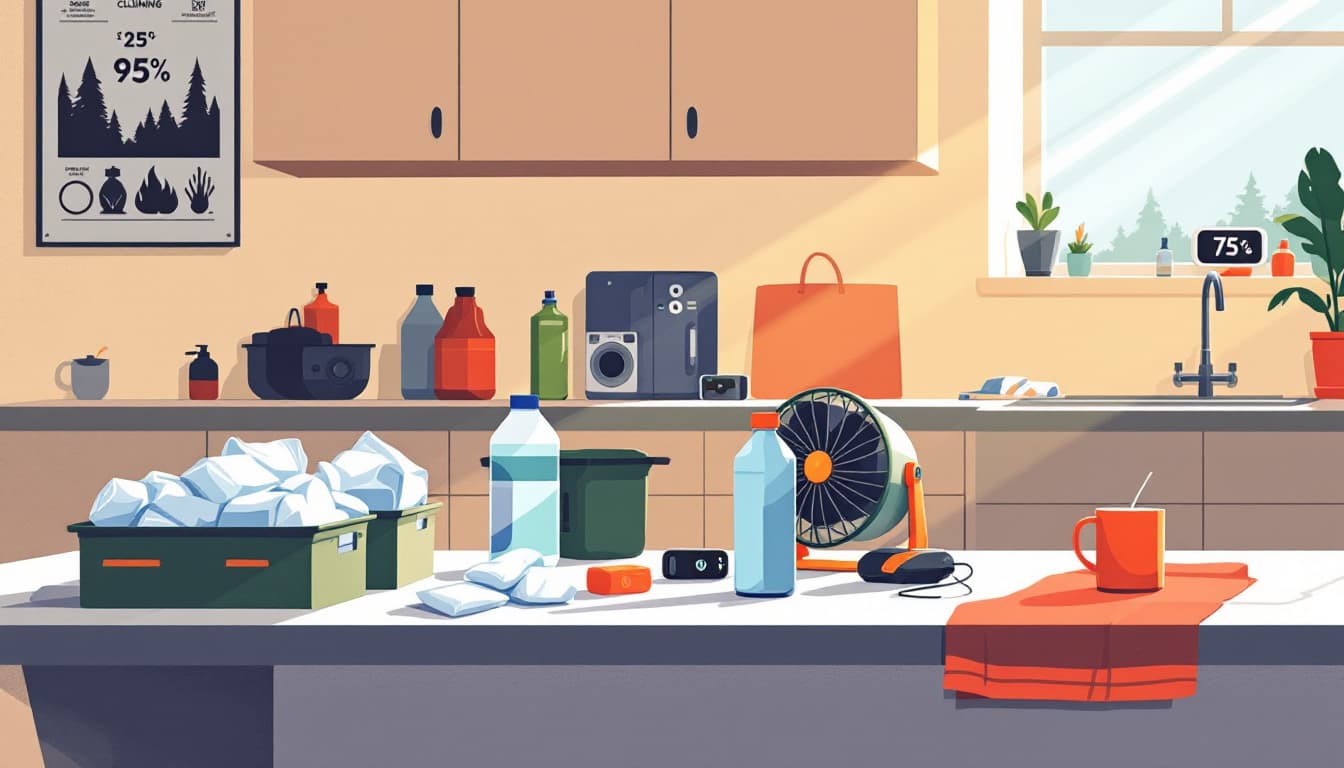
Have a go-bag-level heat kit. Not a bug-out bag. A small bag or bin: electrolyte packets (generic brands work fine), a spray bottle for evaporative cooling, a battery or hand-crank fan, and a charged power bank. This costs under $40 assembled and handles the gap between "the AC just went out" and "we've decided to leave."
Know your household's actual heat vulnerability. Healthy adults in their 30s tolerate heat stress very differently than infants, people over 65, or anyone on diuretics, beta-blockers, or antipsychotics. Those medications affect heat tolerance in ways most people don't know about. If anyone in your household takes daily medication, ask a pharmacist specifically about heat exposure risk.
The bigger picture
The Yale Climate Connections story is about a $20 backpack. But it's pointing at something larger: the people most exposed to heat risk are also the people with the fewest resources to buffer it. That's true for farmworkers, and it's true for a meaningful share of rural North Carolina households. The goal here isn't to turn your pantry into a bunker. It's to close the gap between how heat-ready you think you are and how heat-ready you actually are. That gap is usually smaller than preppers suggest and larger than most families assume.