A graduation ceremony in Eugene. Folding chairs on an open field. Families in dark blazers and seniors in polyester gowns. And temperatures that, according to a report this week from Lookout Eugene-Springfield, created dangerous conditions that attendees said could have been prevented. No one needed a wildfire or a grid failure to end up in medical distress. They just needed a warm June afternoon and an outdoor event with inadequate shade and cooling access.
That's the signal worth paying attention to.
What's actually changing
Western Oregon has a particular trap built into its climate identity. The Willamette Valley is famously mild. Portland and Eugene residents spend nine months of the year in temperate, overcast conditions that don't build heat tolerance. When temperatures spike into the 90s or above — which they now do with more frequency than the region's historical baseline would suggest — bodies that haven't adapted are at real risk, fast.
The Oregon Heat Wave of June 2021 killed hundreds of people across the Pacific Northwest, most of them in their own homes, many of them elderly. That event reset what Oregonians should expect from summer. But three years later, the behavioral change hasn't kept pace. Families still plan outdoor graduations, youth sports tournaments, and neighborhood events without heat contingencies. Institutions do the same.
The UO incident isn't an anomaly. It's a preview of a recurring problem: warm-season public events in a region where residents, planners, and institutions still default to the assumption that Oregon doesn't get that hot.
It does now. And your household needs a plan that reflects that.
What we'd actually do
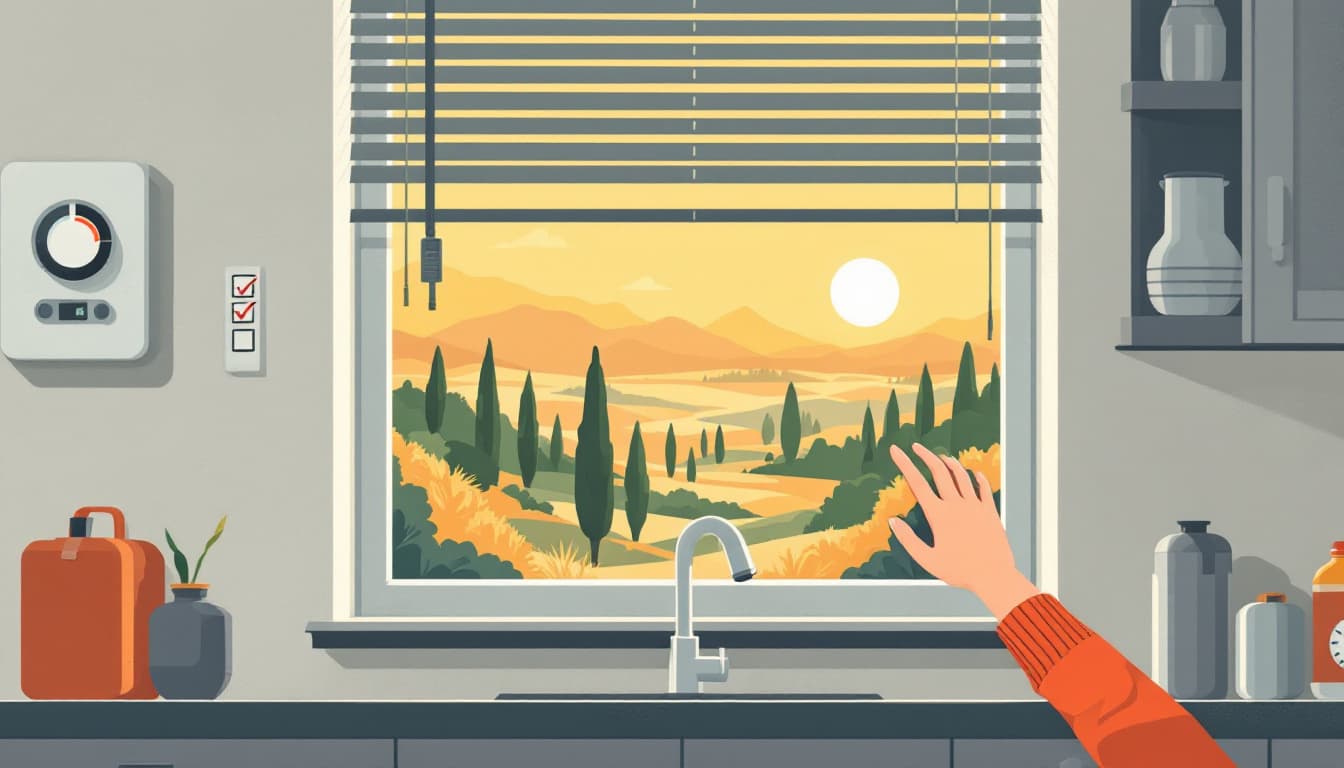
Map your home's heat performance before the next spike hits. Walk your house during the hottest part of a warm day and record which rooms are tolerable and which aren't. Oregon's older housing stock — bungalows, ranch homes, and mid-century construction throughout the Willamette Valley — was built without central air and with single-pane windows. Knowing your home's hot zones in advance means you're not figuring it out at 4 p.m. when someone is already symptomatic.
Identify your nearest public cooling center now, not during an event. Multnomah County, Lane County, and most Oregon metro areas activate cooling centers during heat advisories, but the locations and hours change season to season. Oregon's 211info system (call 211 or visit 211info.org) is the fastest way to find confirmed locations. Save it in your phone. Know the hours. Know whether it's accessible by transit if your car isn't available.
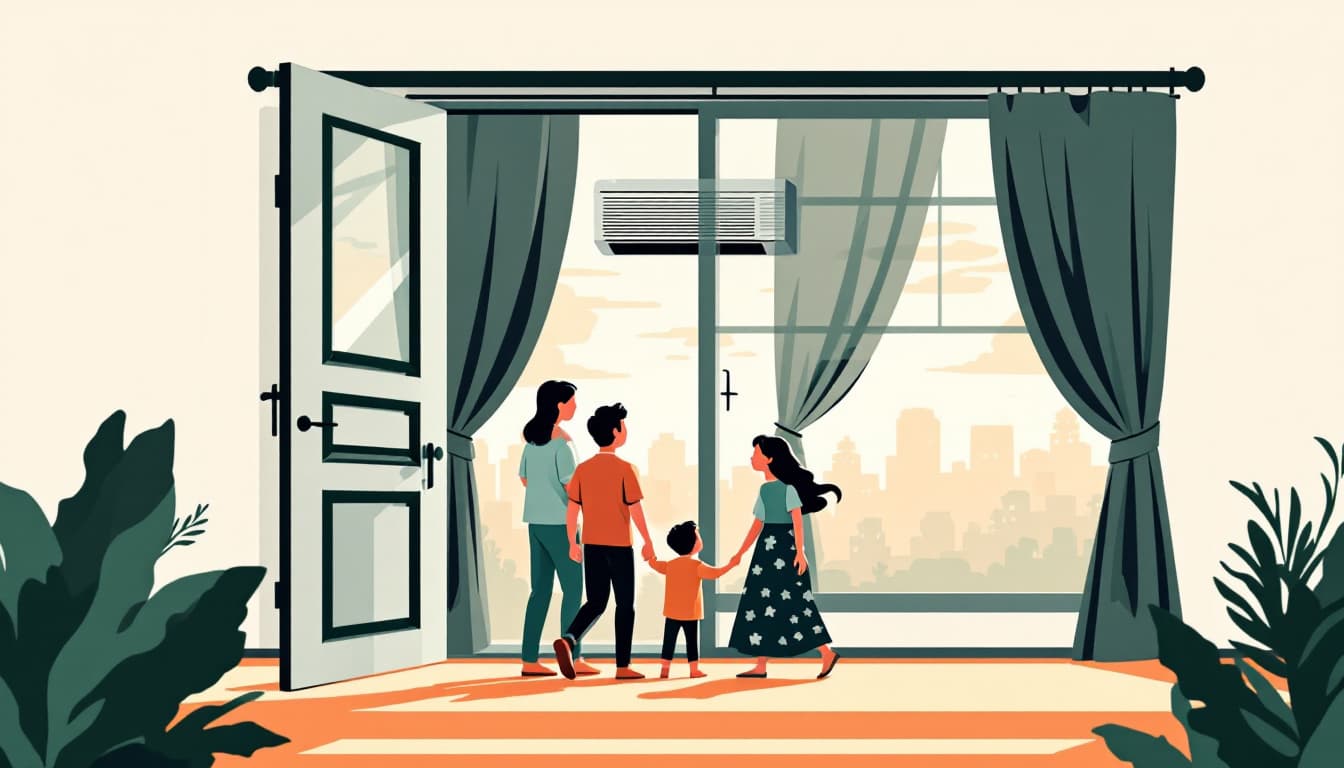
Buy one window unit or portable AC for one room, and commit to using it. This is the single highest-impact household investment for heat resilience in Oregon. You don't need to cool your whole house. You need one room that stays below 80°F where vulnerable family members — elderly relatives, infants, anyone on diuretics or blood pressure medication — can sleep safely. A single 8,000 BTU window unit costs between $200 and $350 at most hardware stores and can hold a bedroom at a safe temperature through a multi-day event.
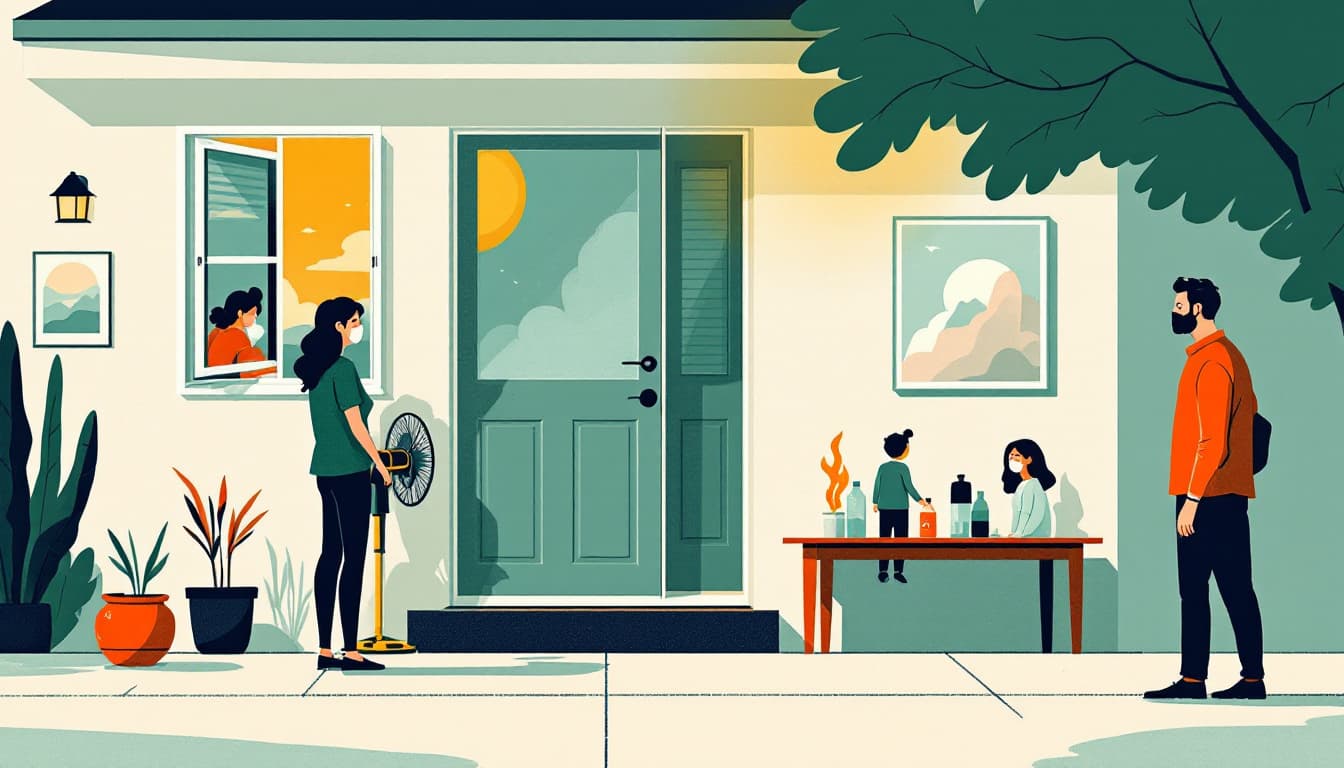
Pack a heat kit for outdoor events. A report like this one from Lookout Eugene-Springfield is a reminder that you cannot always trust event organizers to provide adequate water, shade, or cooling. A small bag with a personal fan, electrolyte packets, a cooling towel, and a full water bottle adds almost no weight and covers you when the institution fails. This is not paranoia. It is the appropriate response to recent evidence.
Know the difference between heat exhaustion and heat stroke. Heat exhaustion means heavy sweating, weakness, and nausea — the person is still sweating, which means the body is still regulating. Move them to shade, give water, apply cool cloths. Heat stroke means hot, dry or minimally sweating skin, confusion, or loss of consciousness — this is a 911 call, not a "wait and see." Oregon summers now produce conditions where this distinction matters, and most families have never had to make it.
The bigger picture
Oregon's identity as a temperate, rain-soaked state is durable in November. It is not always durable in June. The goal of heat preparedness isn't to spend the summer in fear of the thermometer. It's to make decisions in February and March — buying a window unit, saving a phone number, knowing your house — so that when a warm day turns dangerous, your family has options that don't depend on someone else having planned ahead.
The people at the UO graduation who struggled didn't fail to prepare because they were reckless. They failed because the event assumed conditions that didn't materialize. Households can make a different assumption, and it costs almost nothing to do it before the next spike arrives.