In late June 2021, Oregon recorded temperatures above 116°F in Portland and over 110°F in Bend. The heat dome killed more than 100 Oregonians in a matter of days. Most of them died at home. Most of those homes had no air conditioning.
Central Oregon Daily is tracking another significant heat event building across the region this week. The editorial focus is on the South, but the pattern is familiar: high pressure builds, Pacific marine air stalls, and the high desert country east of the Cascades absorbs and radiates heat in ways that coastal residents systematically underestimate.
What's actually different this time — and what isn't
Oregon homes are among the least air-conditioned in the country. That structural fact hasn't changed much since 2021, despite widespread attention to the problem after the heat dome. A large share of housing stock in Bend, Redmond, Prineville, and surrounding areas was built without central air and with insulation standards designed to retain heat in winter, not shed it in summer.
What has changed is public awareness at the agency level. The Oregon Health Authority now publishes heat-related illness dashboards during events, and county emergency managers in Deschutes and Jefferson counties have refined their cooling center logistics. That infrastructure matters — but it only works if households know to use it before a crisis, not during one.
The 2021 event also exposed a coordination gap: utility load spikes during extreme heat can trigger rolling outages at exactly the moment demand is highest. PGE and Pacific Power have added some grid capacity since then, but a multi-day event above 105°F in Central Oregon still strains distribution infrastructure, particularly in rural areas served by smaller co-ops.
The other thing that hasn't changed: most households do not have a written heat plan. They have vague intentions. Those are not the same thing.
What we'd actually do
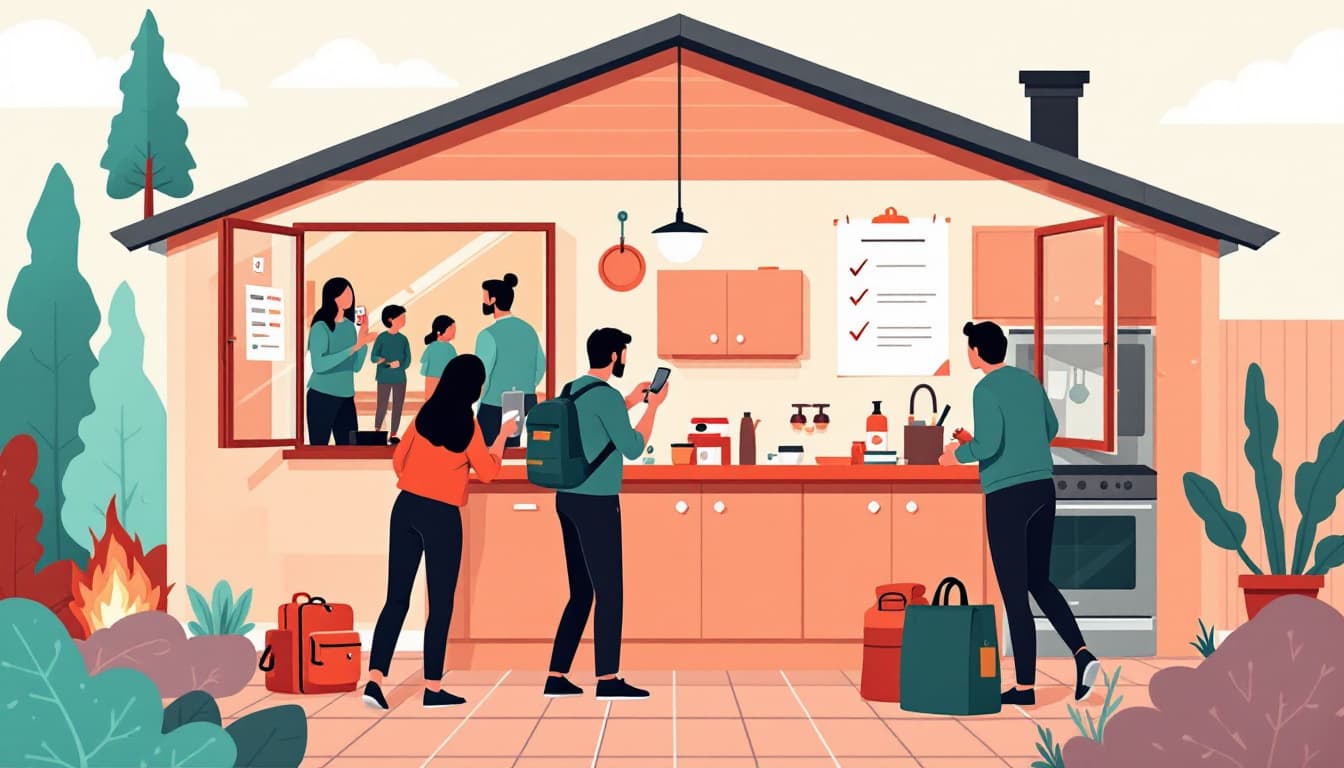
Identify your household's cooling failure point right now, before a heat event begins. The question isn't "do we have a fan" — it's "at what indoor temperature does our household become unsafe, and what is our specific plan when we cross that threshold?" For households with elderly members, infants, or anyone on diuretics, beta-blockers, or antipsychotic medications (all of which impair heat regulation), that threshold is lower than you think. Write the number down. Write the plan down.
Map the three nearest cooling centers and confirm their hours before you need them. Deschutes County, Jefferson County, and Crook County emergency management offices publish this during declared heat events, but waiting until day two of a heat emergency to find the address is a bad strategy. Call your county office now, ask if they have a pre-event cooling center list, and save it in your phone contacts. If you're outside a metro area, also note the nearest large grocery store, library, or hospital — they are de facto cooling centers whether or not they're officially designated.
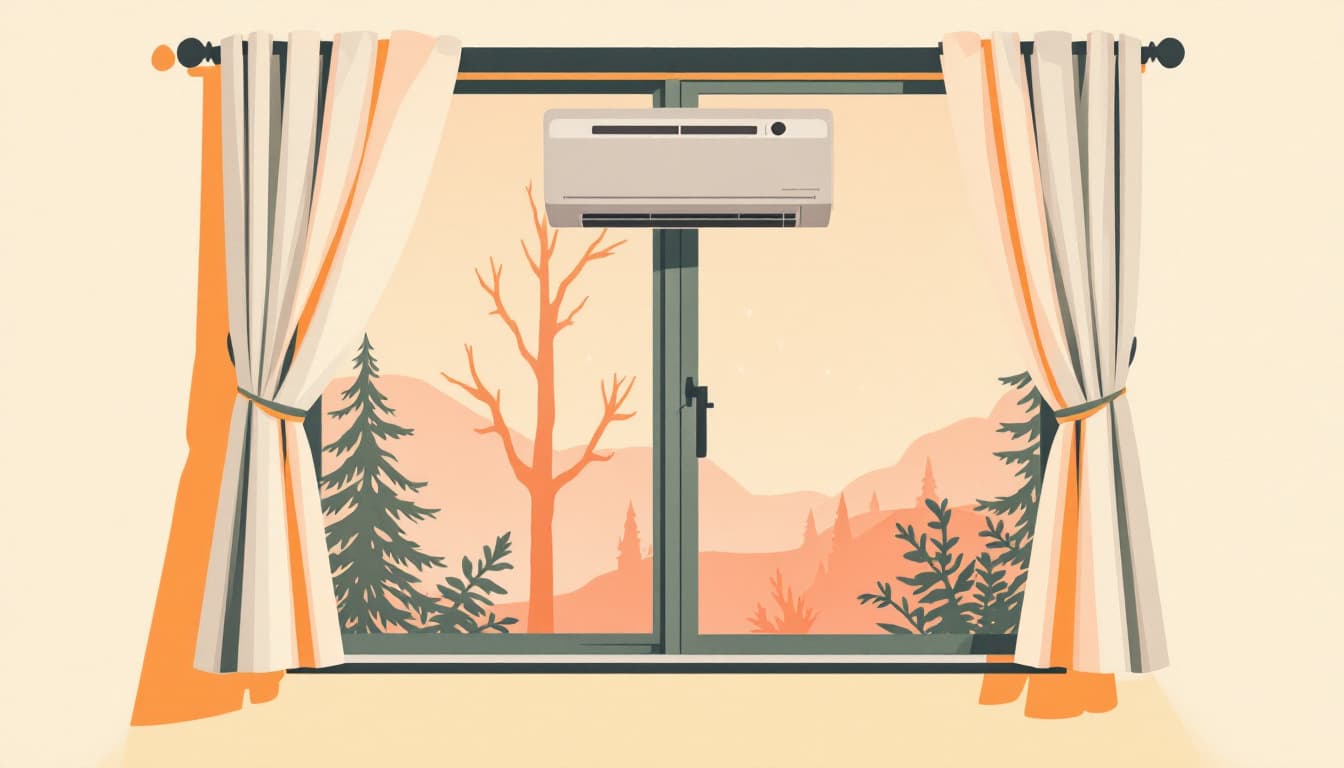
Buy one window AC unit or a portable unit rated for your bedroom square footage. The market for these units spikes hard the moment a heat event is announced; prices on portable units regularly jump 30-50% and stock disappears within hours. A mid-range window unit purchased in a cool week costs less than the same unit purchased in a heat emergency, and it is infinitely more available. You do not need to cool your whole house. You need one room that stays below 80°F overnight, because nighttime cooling is when the body recovers. That one room saves lives.
Check on one neighbor who lives alone. Oregon's 2021 mortality data showed that isolation was a primary risk factor — people died alone in apartments because no one checked. Pick one person. Text them now. Make a standing agreement that you'll contact each other during any heat event above a threshold you both set.
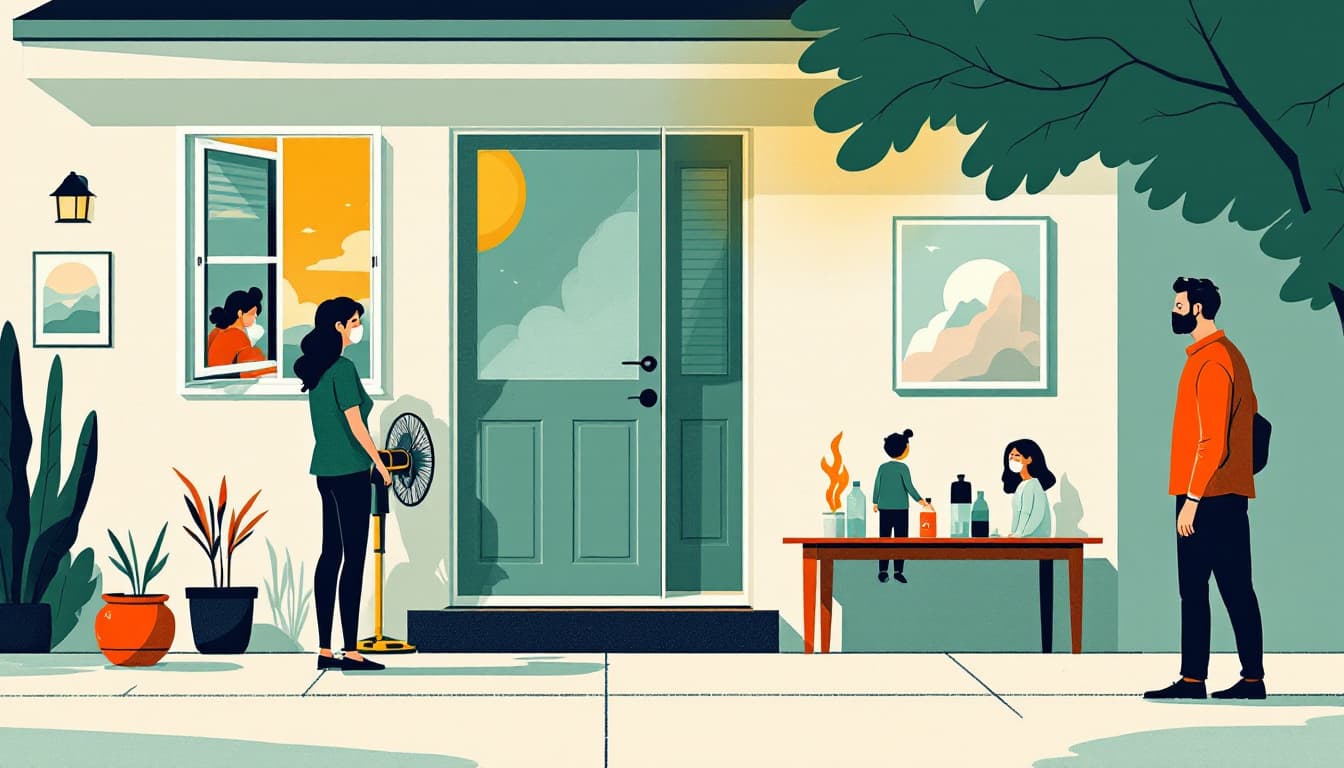
Freeze water bottles this week. Fill plastic bottles two-thirds full and freeze them. They function as ice packs, they keep a cooler functional for 24+ hours without buying bagged ice, and they cost nothing. This is not dramatic advice. It is just the kind of thing that matters when a heat event stretches into day three and every gas station is out of ice.
The bigger picture
Heat is the deadliest weather hazard in the United States by annual mortality, and Oregon's geography creates a specific vulnerability: the state cycles between marine air and continental air masses in ways that can produce 40°F temperature swings in 48 hours. Residents adapt to the cool and get caught by the hot.
Preparedness for heat is not about buying expensive gear. It is about closing the gap between knowing a heat event is forecast and knowing exactly what your household will do when the temperature inside your home crosses a line. That gap is closable this week, for free, with a conversation and a few frozen water bottles.
Durability is the goal. Not survival theater.