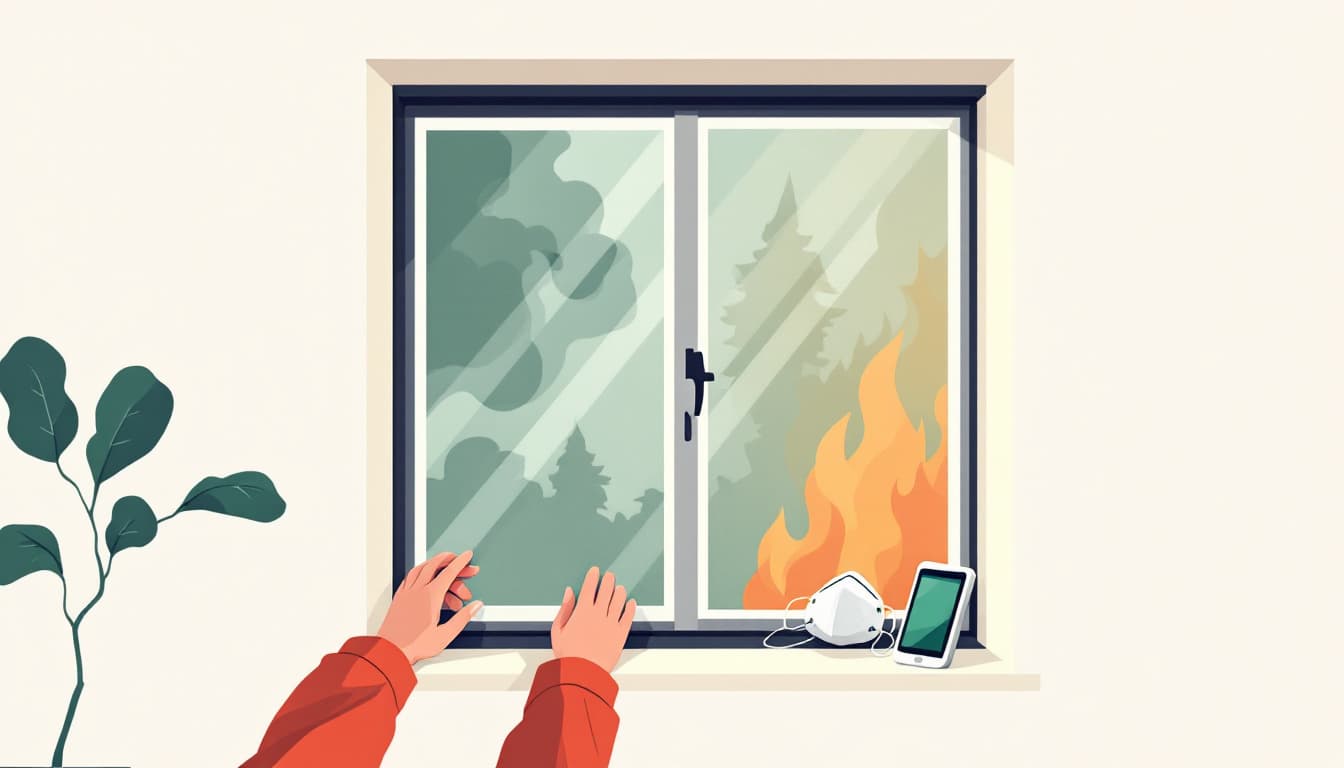
The Oregon Health Authority does not update its wildfire smoke guidance on a quiet schedule. When OHA revises the thresholds that govern whether kids play outside or stay in, it is because the science on particulate exposure has shifted, or because recent fire seasons exposed gaps in the old rules — or both.
A report this week from Central Oregon Daily covers OHA's updated smoke protocols for schools and youth sports. The changes tighten when outdoor activities must be modified or cancelled based on Air Quality Index readings, with children as the focus population. The specific thresholds and trigger levels are now stricter than previous guidance.
That is the news. Here is what it actually means for a household with kids in Bend, Medford, Klamath Falls, or anywhere else in Oregon east of the Cascades.
What's actually changing
OHA has long issued smoke guidance, but enforcement and consistency across school districts has been uneven. The new rules appear to standardize the decision-making process so coaches and school administrators follow a clear protocol rather than making judgment calls during an active smoke event.
The practical implication: expect more cancelled practices and postponed games starting as early as July, when Central Oregon's fire season typically accelerates. That's a scheduling disruption, not a crisis — but it is a signal that state agencies are pricing in worse smoke years, not better ones.
The harder reality is that schools can only protect kids for the six or so hours they're on campus. The rest of the day, the air quality exposure is yours to manage.
What we'd actually do
Check AirNow.gov daily starting in July, not just when smoke is visible. Smoke at ground level often arrives before the sky turns orange. The AirNow fire and smoke map, maintained by the EPA in partnership with Oregon DEQ, gives hourly AQI readings by zip code. Bookmark it now. Central and southern Oregon regularly hit AQI levels above 150 during fire events — that's the "unhealthy" threshold where even healthy adults should limit outdoor time.
Buy at least two N95 or KN95 masks in each child's size before July. Masks sized for adults do not seal on children's faces. Several manufacturers produce smaller sizes, and many local pharmacies in Oregon carry them seasonally. The key word is "seal" — a loose mask provides minimal filtration of PM2.5. Test fit at home before the first smoke event, not during one.
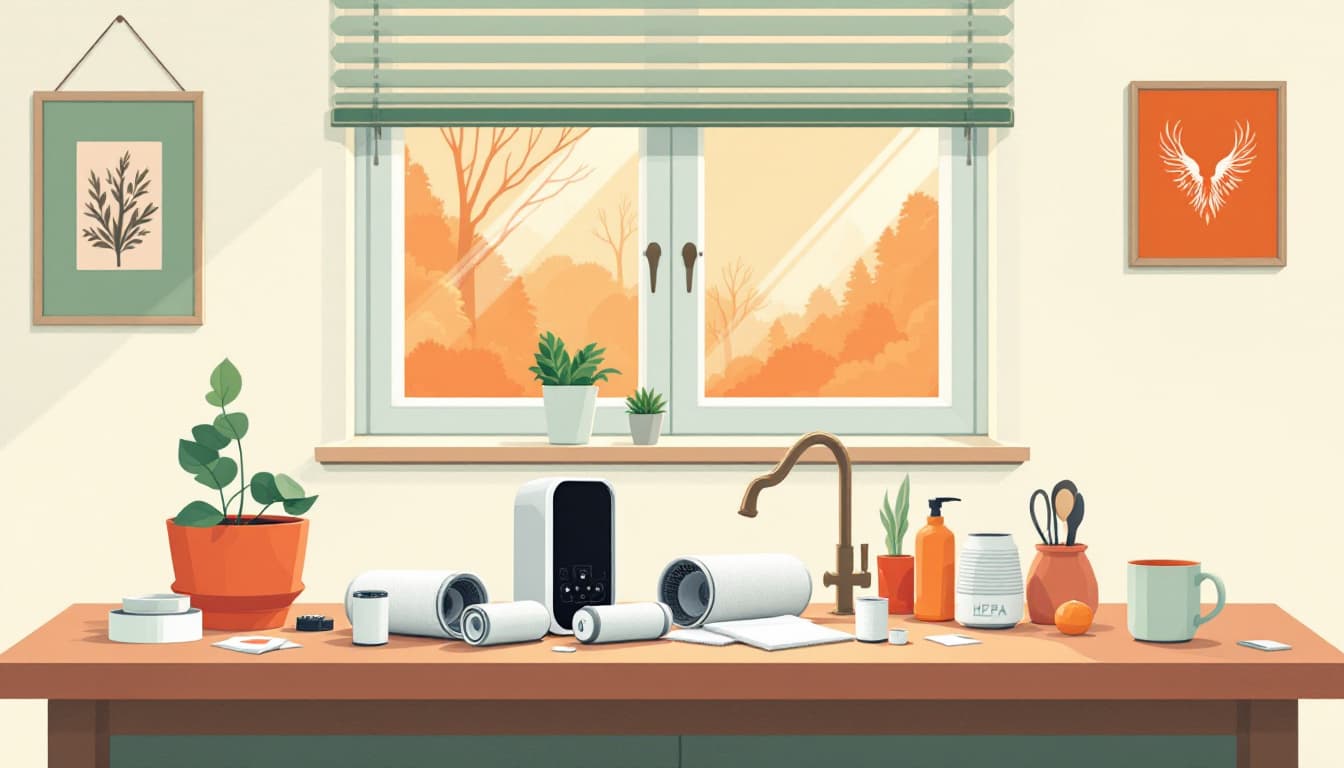
Identify one room in your home where you can meaningfully improve air filtration. A portable HEPA air purifier rated for the square footage of your living room or a bedroom costs between $60 and $150 for a reliable unit. Run it continuously during smoke events with windows and doors closed. If budget is a constraint, a box fan with a MERV-13 furnace filter taped to the intake (the DIY Corsi-Rosenthal configuration) filters PM2.5 at meaningful efficiency for under $30 in materials. This matters most for kids under 12 and anyone with asthma.
Talk to your school and youth sports league about their AQI trigger protocol now. OHA's new guidance sets the standard, but implementation varies. A quick email or call to your child's coach or school nurse asking "what's your smoke protocol this season?" surfaces whether they're following the updated OHA thresholds or still using older rules. You're not being difficult — you're doing the homework the new policy assumes parents will do.
Stock a two-week supply of any asthma or respiratory medication your child uses. Oregon's smoke events have historically stretched two to three weeks in bad years. Pharmacies in affected areas run low on inhalers and nebulizer supplies during extended events. If your child uses a controller inhaler, request a 90-day fill now while insurance will cover it without a smoke-crisis caveat.
The bigger picture
OHA tightening its smoke rules is an institutional acknowledgment that Oregon's air quality risk to children is real enough to require formal guardrails. That is worth noting without dramatizing. The Cascades will burn. Smoke will cross the mountains. The question is whether your household has absorbed that as a normal seasonal condition to manage, the way you manage flu season or summer heat.
Durable households don't stockpile fear. They build small, specific habits — a bookmark, a filter, a mask that actually fits — that absorb the disruption without drama. Fire season starts in weeks. The cheap actions are available right now.