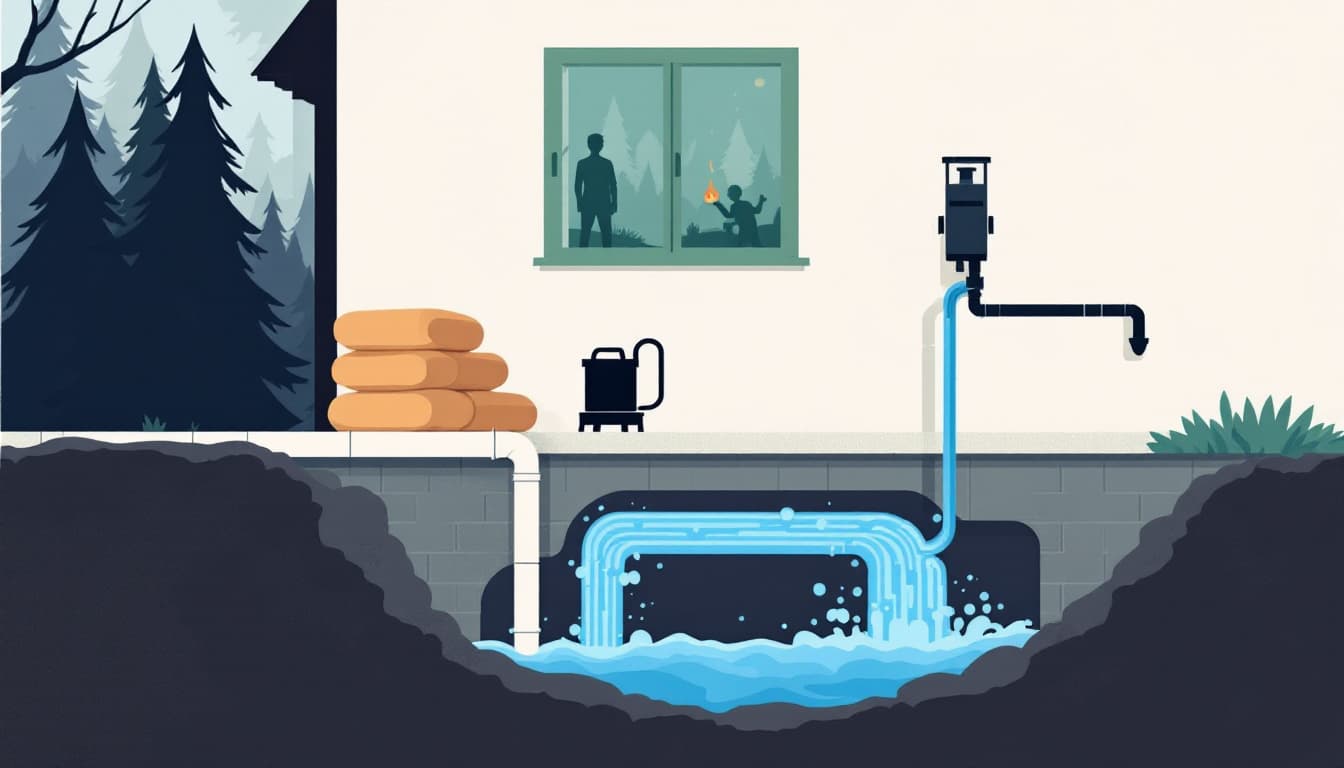
A report this week from FOX 35 Orlando highlighted a split weather picture across the greater Orlando area: sunshine had returned to the region's skies, yet flood warnings remained in effect along multiple river corridors throughout Central Florida. The juxtaposition is a familiar one to longtime Florida residents — surface conditions can normalize quickly while slower-moving hydrological systems lag well behind.
The warnings centered on river systems that drain the broader Central Florida watershed, a region that funnels enormous volumes of rainwater southward and eastward through a network of lakes and rivers. The St. Johns River, which runs northward through Volusia, Lake, and Orange counties before emptying into the Atlantic near Jacksonville, is particularly prone to extended flood events because of its exceptionally low gradient — the river drops only about 30 feet over its roughly 310-mile length. That near-flat topography means floodwaters recede slowly, sometimes taking days to weeks after rainfall has ended, keeping National Weather Service flood warnings active long after skies clear.
The National Weather Service office in Melbourne, which holds forecast responsibility for much of East-Central Florida including Orange, Osceola, Brevard, and Volusia counties, issues river flood statements for gauge points along the St. Johns and its tributaries. When those gauges register above flood stage, warnings remain posted regardless of current precipitation conditions.
For preparedness-minded Floridians, the lingering river flood pattern underscores a less-discussed dimension of Florida's airshed and hydrology: the state's flat karst topography and high water table mean that prolonged saturation affects not just surface flooding but also stormwater infrastructure, septic drain fields, and wellhead buffers across rural and exurban communities. Florida's approximately 2.6 million septic systems — among the highest concentrations in the United States — are particularly vulnerable during extended high-water-table events, a concern that the Florida Department of Environmental Protection has documented in past flood impact assessments. Residents relying on private wells in flooded areas may also face temporary contamination risk as floodwaters interact with wellheads, a scenario the Florida Department of Health advises testing for before resuming normal water use after inundation. For those researching water resilience gear suited to these Florida-specific conditions, Middle Class Prepper's water filtration reviews offer context grounded in prolonged outage and contamination scenarios rather than short-term emergencies alone.