A study reported by Enterprise Times this week found that retailers are expressing real optimism about the year ahead, even as they acknowledge rising costs and persistent supply chain disruption. That disconnect is worth sitting with for a moment.
Retailers being optimistic is not the same as prices coming down. It means retailers believe they can manage the disruption — which, in practice, has meant passing costs along, shrinking package sizes, and reducing SKU variety. Their resilience is real. So is your shrinking purchasing power.
What's actually changing
The supply chain conversation has shifted in the past 18 months. The acute crisis of empty shelves and container backlogs has faded. What replaced it is slower and harder to see: a structural layer of added cost baked into the system at every node, from raw material sourcing through last-mile delivery.
Recent BLS data on producer prices has shown that input cost pressure has not unwound in grocery and household goods categories the way it did in durable goods. When a retailer says they're "managing disruption," they're often describing a system where they've renegotiated supplier contracts, diversified sourcing, and invested in inventory software. That's genuinely good operational work. It does not mean the consumer sees relief.
The Fluent Commerce data, as Enterprise Times frames it, points to retailer confidence in their own systems. What it does not track is the demand-side strain on households still recalibrating budgets after 30-plus months of above-average food inflation. Those are two different things.
There's also a category pattern worth watching. Discretionary grocery items — specialty foods, premium beverages, name-brand snacks — have shown more volatility than staples. Retailers are optimizing for their margins, not your pantry. When supply gets constrained again (and it will, seasonally if nothing else), the items that disappear first are rarely the items you actually need.
What we'd actually do
Build a small staple buffer before the next disruption, not during it. The window when supply looks stable is exactly the right time to add two to four weeks of dry goods to your pantry. Rice, lentils, oats, canned protein. Not because collapse is coming, but because buying ahead of a disruption costs less and causes less stress than buying into one. Aim for a 30-day supply of household staples. That's a reasonable grocery run, not a bunker.
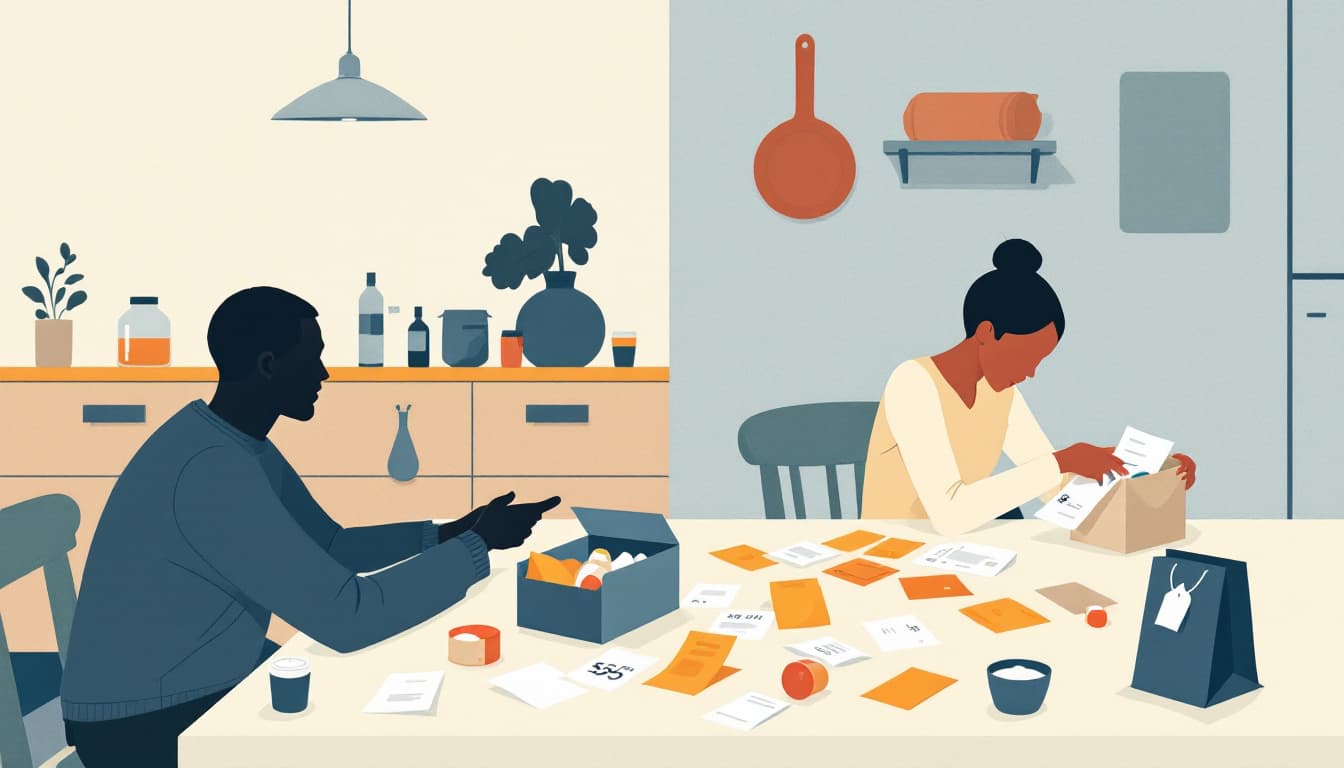
Audit your household's exposure to single-source items. Walk your kitchen and identify three to five products your family uses regularly that come from a narrow sourcing window — specialty condiments, particular baby food formulas, specific medications or supplements. For each one, either build a small buffer stock or identify a functional substitute. This is boring work. It pays off.
Track your own unit prices, not just the total bill. Retailer optimism about cost management often manifests as package downsizing before it shows up as a price increase. A 16-oz jar that becomes 13.5 oz at the same price is a 16% cost increase that never appears on a price tag. Keep a short list of five to eight regularly purchased items and log the unit price (price per ounce, per count) once a month. One note in your phone is enough.
Reduce your household's dependence on just-in-time shopping. The American household has drifted toward shopping for three to five days at a time, which is efficient until it isn't. A two-week shopping cadence with a standing pantry list builds in natural buffer without requiring extra spending.
The bigger picture
Retailers being resilient is genuinely good news. It means shelves stay stocked more reliably than they did in 2021. But resilient supply chains and affordable supply chains are not the same thing. The structural costs that got layered into the system are not going away because sentiment surveys look good.
The households that navigate this best are not the ones who panicked and stockpiled hand sanitizer in 2020. They're the ones who quietly built flexible pantries, tracked their own spending at the unit level, and reduced their dependence on any single supplier or product line. That work is available to almost anyone. It doesn't require a lot of money upfront. It requires a little attention spread over several months.
Durability, not catastrophe. That's the goal.