A pallet of polyester fleece starts as crude oil. So does the foam in your mattress, the resin in your water filter housing, and the plastic packaging around almost everything in your medicine cabinet. When a country that sits on roughly 17 percent of proven global oil reserves starts repositioning itself as a manufacturer rather than just an exporter, the downstream effects reach well past energy markets.
A report this month from Arab News examined Saudi Arabia's effort to convert ongoing global supply chain disruptions into durable industrial advantage — moving up the value chain from raw commodity exports toward finished and semi-finished goods. The ambition is real. The kingdom has been investing heavily in petrochemical refining, logistics infrastructure, and domestic manufacturing capacity for several years. The question households should be asking is not whether this works for Riyadh. It's what it means for the goods on your shelves when a major upstream player changes its role in the supply chain.
What's actually changing
The shift matters because it adds a new variable to an already complicated picture. Global supply chains spent the past several years getting shorter and more regionalized — a response to the pandemic-era chaos and more recent shipping disruptions in the Red Sea corridor. Saudi Arabia sits at the intersection of both trends: it is a major energy supplier and a country with direct geographic exposure to those same shipping lanes.
If Saudi industrial capacity grows and starts capturing more of the value in plastics, fertilizers, and specialty chemicals, the sourcing map for those inputs changes. Some of that could mean more stable pricing if new supply comes online. Some of it could mean disruption during the transition. The honest answer is that commodity markets are not predictable enough to call a direction with confidence. What is predictable is that households dependent on just-in-time purchasing — buying filters, medications, and consumable goods only when they run out — absorb the full volatility of each transition.
Fertilizer exposure is worth calling out specifically. Saudi Arabia's SABIC is one of the largest fertilizer producers in the world. Any major retooling of Gulf petrochemical capacity shows up eventually in agricultural input costs, which show up in grocery prices, typically with a six-to-twelve month lag.
What we'd actually do
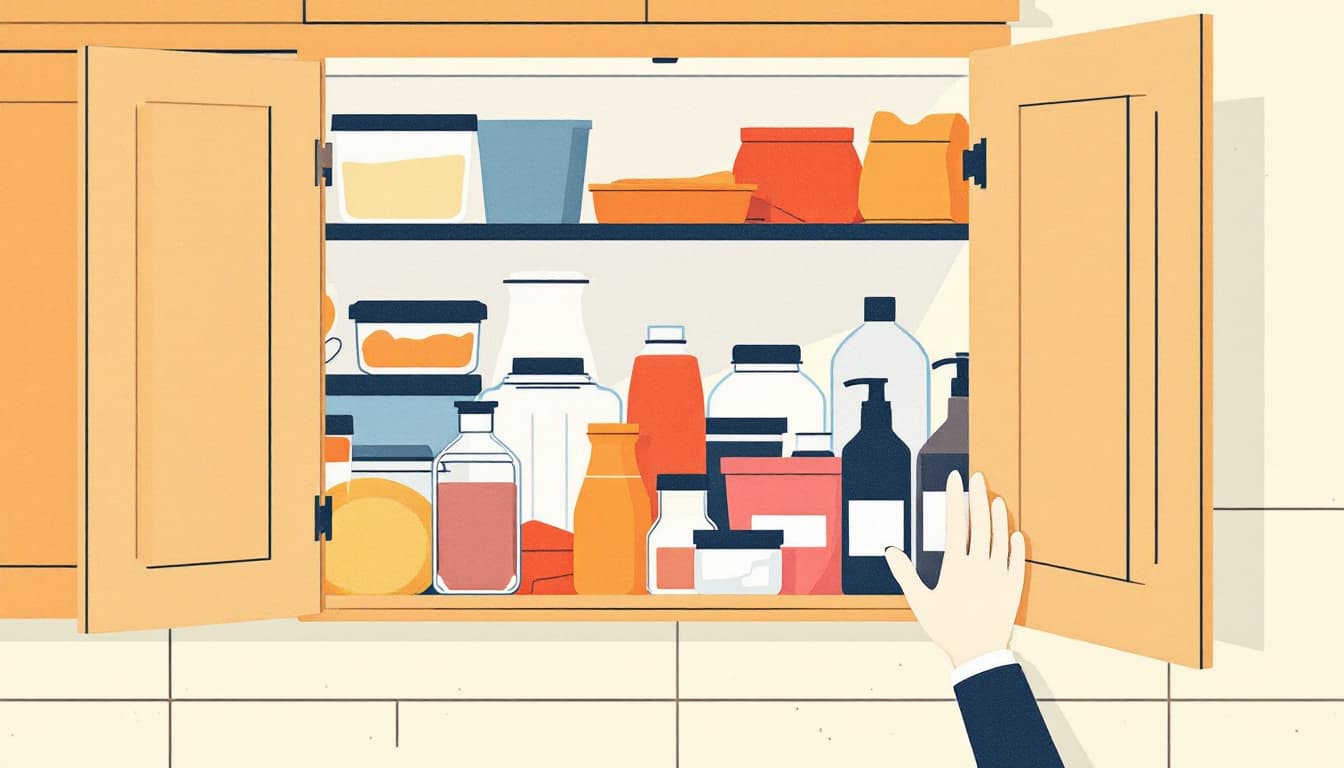
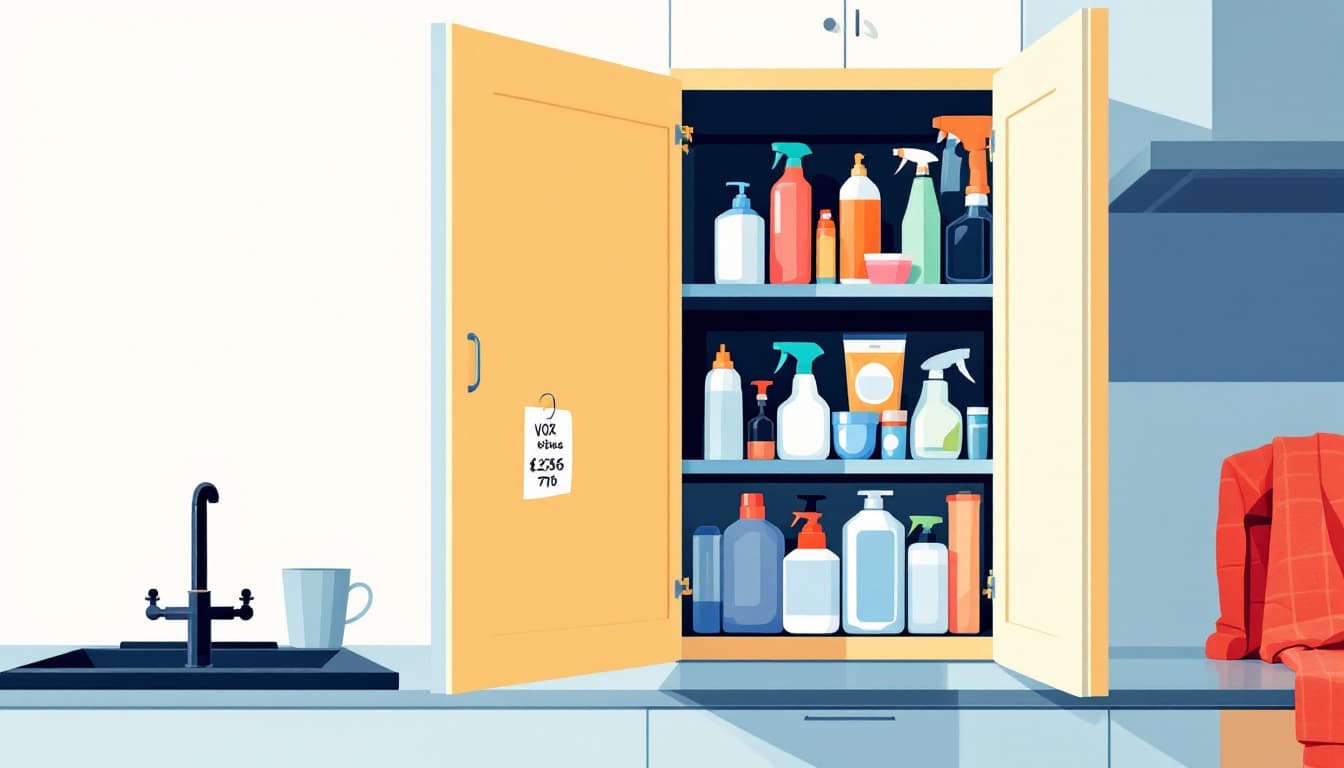
Build a two-month buffer in petrochemical-adjacent consumables. Start with what you actually use: dish soap, laundry detergent, plastic storage bags, trash bags, water filter cartridges, and any medications in plastic or foil packaging. These are not luxury preps — they are the category most directly exposed to upstream petrochemical pricing shifts. Buying two months ahead at current prices is a hedge that costs nothing if prices stay flat and saves real money if they don't.
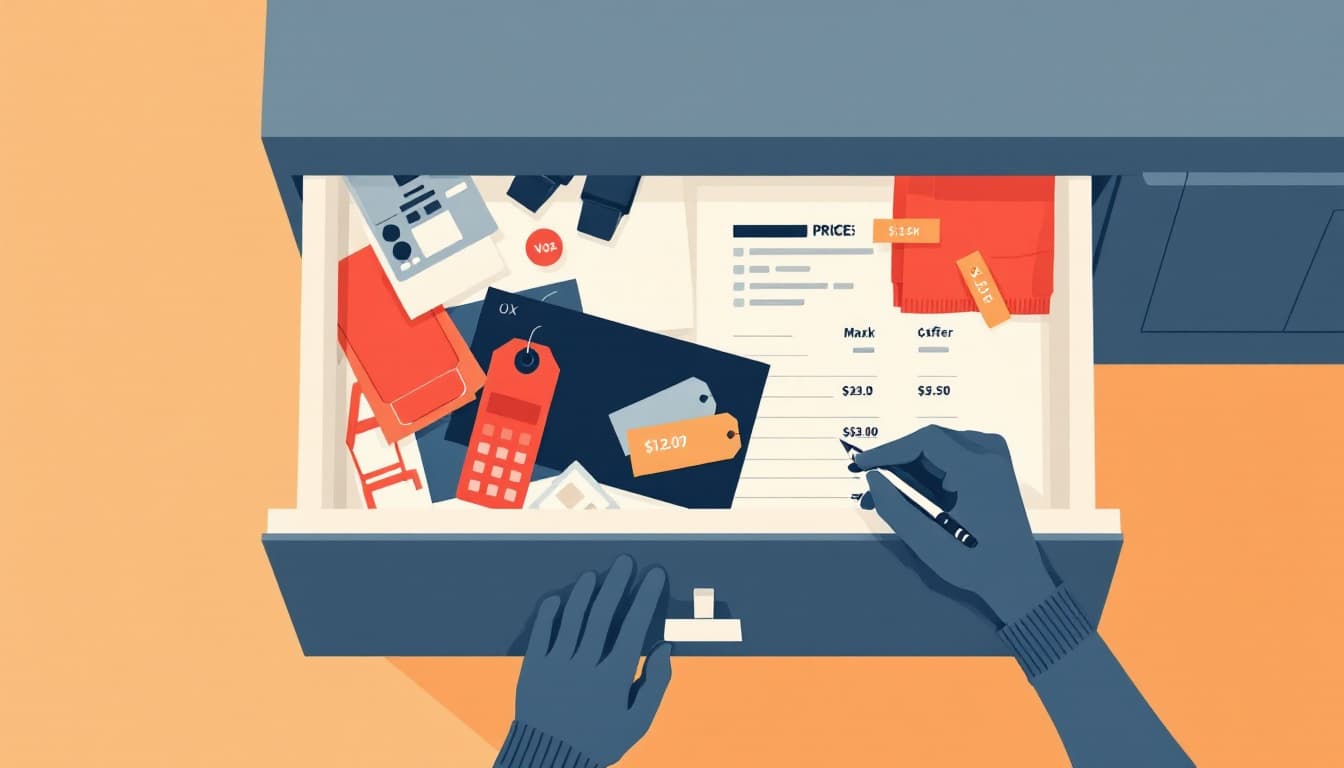
Check your fertilizer exposure through food costs, not theory. Watch the per-unit price on grain-based staples — rice, flour, oats — at your regular grocery store over the next three months. You don't need a commodity terminal to track this. A simple note in your phone with a date and price for a five-pound bag of flour gives you signal. If you see 15 percent or more movement in a quarter, that's a reason to add staple grains to your rotation stock, not to panic-buy.
Understand your shipping lane exposure for specialty goods. If your household depends on goods that move through the Suez Canal or the Red Sea corridor — electronics components, certain medications, specialty foods — know the approximate lead times now, not during a crunch. Many specialty pharmacies will tell you where a drug is manufactured if you ask. A thirty-second conversation with a pharmacist about a critical medication's country of origin is worth having.
Don't over-rotate on any single disruption narrative. Gulf industrial policy changes on multi-year timescales. The household risk is not a sudden shock from this Saudi pivot — it's the slow accumulation of small price increases across a dozen product categories. The response is a steady, boring buffer stock, not a dramatic repositioning of your finances.
The bigger picture
Households that track geopolitical shifts tend to fall into two failure modes: ignoring them entirely, or treating every upstream change as an emergency. Neither is useful. Saudi Arabia's long-term industrial strategy will take years to play out, and the effects on your grocery bill will be indirect, diffuse, and hard to attribute cleanly.
What you can control is your exposure to volatility in that chain — by holding a modest inventory of the goods most tightly coupled to energy and chemical inputs, by watching a few simple price signals, and by asking the right questions about where critical goods actually come from.
Durability is not about predicting which supply chain breaks next. It's about reducing how much any single break costs you.