A few good soaking rains in late spring can feel like a reset. For most of Tennessee right now, they aren't.
A report this week from WPLN News confirms what the U.S. Drought Monitor has been signaling for months: Tennessee's long-term drought conditions remain in place across significant portions of the state, even after recent precipitation. The rains helped surface soil. They did not refill reservoirs, recharge aquifers, or erase a moisture deficit that built up over the better part of a year. That distinction matters a great deal if you're planning a garden, running a well, or watching your utility bill.
What's actually changing — and what isn't
Short-term drought conditions can improve quickly after a good rain event. Long-term drought is a different animal. It reflects cumulative precipitation deficits measured over six, twelve, or twenty-four months. A few inches of rain in May replenishes topsoil moisture, which helps pastures green up and gives vegetable gardens a temporary boost. It does not meaningfully move the needle on groundwater levels or large reservoir storage, both of which respond to months of sustained above-average rainfall.
For Tennessee specifically, the geography matters. Middle Tennessee and parts of the Cumberland Plateau have seen more variable conditions than East Tennessee's ridge-and-valley terrain, where streams fed by mountain watersheds can recover somewhat faster. The Tennessee Valley Authority manages reservoir levels across much of the state, and TVA's public storage data is worth checking if you're near a lake-dependent water supply or if recreational water use is part of your summer planning.
What this means at the household level: if you're on a municipal system, your water likely feels fine right now — municipal utilities draw from surface sources that show near-term improvement. If you're on a private well, particularly a shallow well in the central or western parts of the state, your situation may not have improved as much as your lawn suggests.
What we'd actually do
Check the U.S. Drought Monitor for your specific county, not just the state headline. Tennessee spans multiple drought zones, and conditions in Shelby County can be meaningfully different from Hamilton or Sullivan. The Drought Monitor updates every Thursday at droughtmonitor.unl.edu and shows conditions at the county level. A five-minute check tells you whether you're in "moderate," "severe," or "extreme" territory and adjusts every decision below.
If you're on a well, get a water level check now, before peak summer demand. Shallow wells in drought-stressed areas can drop several feet during July and August when demand peaks and recharge slows. Contact a licensed Tennessee well driller or your county Extension office — UT Extension has offices in all 95 counties and can often point you to low-cost testing resources. Knowing your static water level in June gives you a baseline before things get harder.
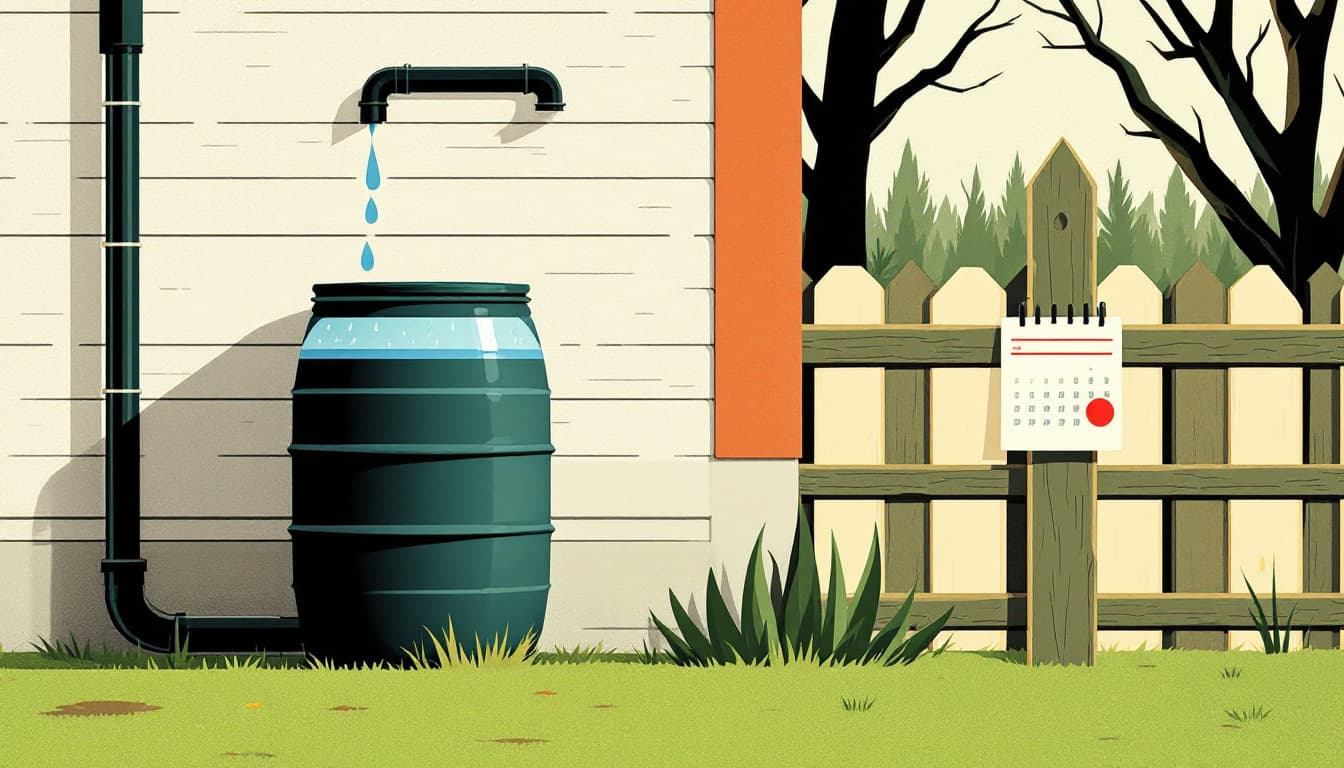
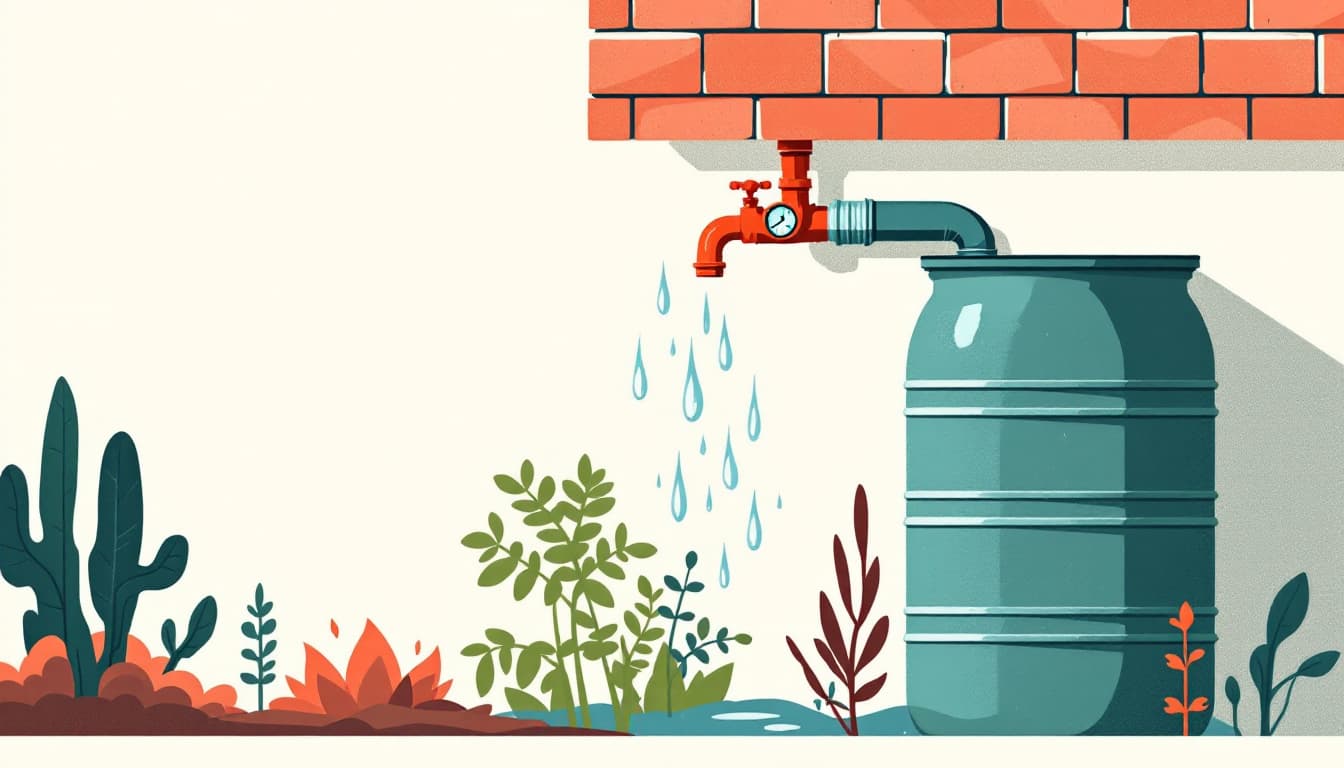
Build even modest water storage into your household. This isn't about stocking for the apocalypse. A 55-gallon food-grade barrel connected to a downspout costs under $80 at most feed stores and hardware outlets across Tennessee. It won't sustain a household through a grid outage, but it will water a vegetable garden through a two-week dry stretch without touching your metered supply. In a drought year, that's a real savings.
Adjust your garden plan for heat and dry conditions, not normal Tennessee summer averages. The state's average summer rainfall is misleading in a drought year. Heat-tolerant, drought-resistant varieties of tomatoes, peppers, and squash are widely available at Tennessee garden centers right now. Mulching to a depth of three inches around beds can cut soil moisture loss by a meaningful fraction. These are small moves with compounding returns through August.
Watch your utility bill as a signal, not just an expense. Water rates in several Tennessee municipalities include tiered pricing that increases sharply above a baseline usage threshold. In a dry summer, households that don't adjust irrigation habits can see bills spike without warning. Review your utility's rate structure once — it takes ten minutes and usually lives on the utility's website.
The goal here isn't to make a bad situation feel worse than it is. A drought that persists after spring rains is a condition to manage, not a catastrophe to survive. Tennessee households have navigated dry summers before. The difference between managing well and managing poorly usually comes down to information gathered in June, not heroics in August.
Long-term resilience looks like this: understanding what's actually happening in your county, making two or three small infrastructure investments while supply is good and prices are calm, and building habits that hold across an ordinary bad summer — not just an extraordinary one.