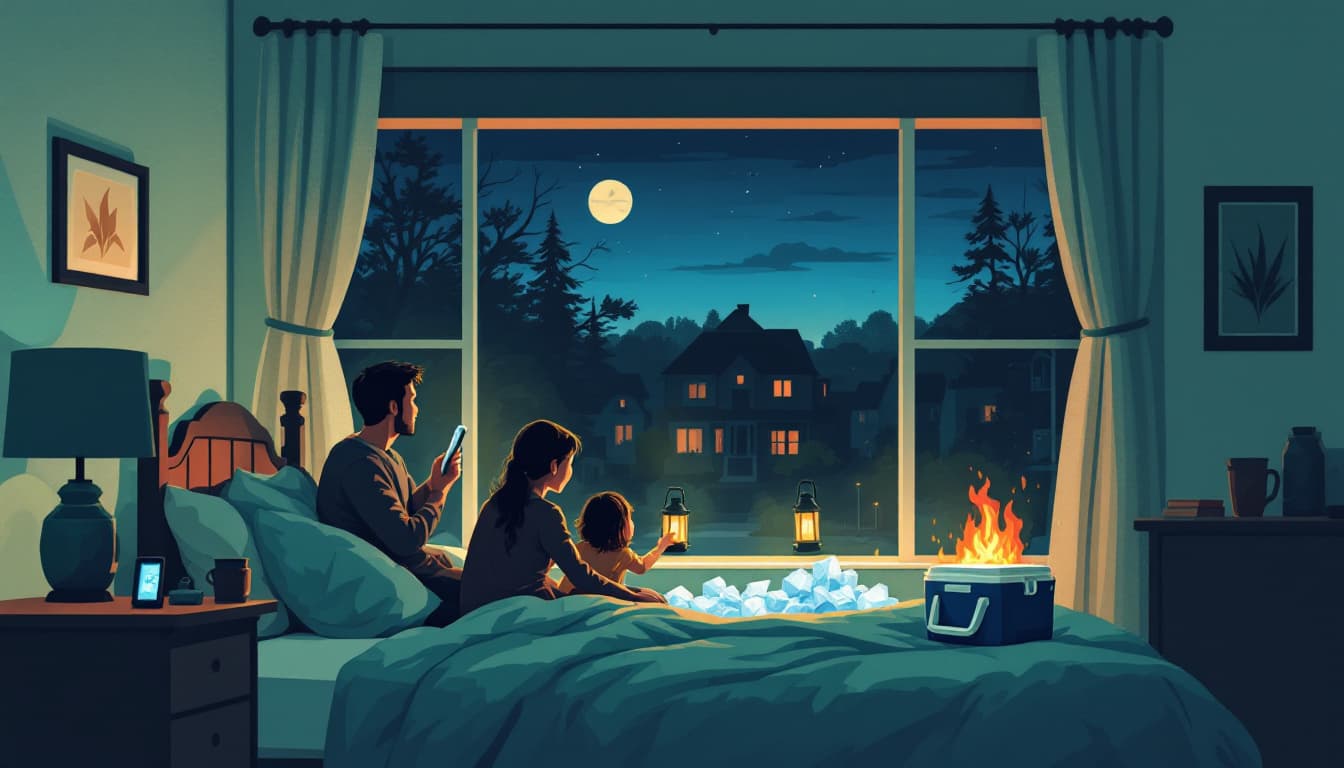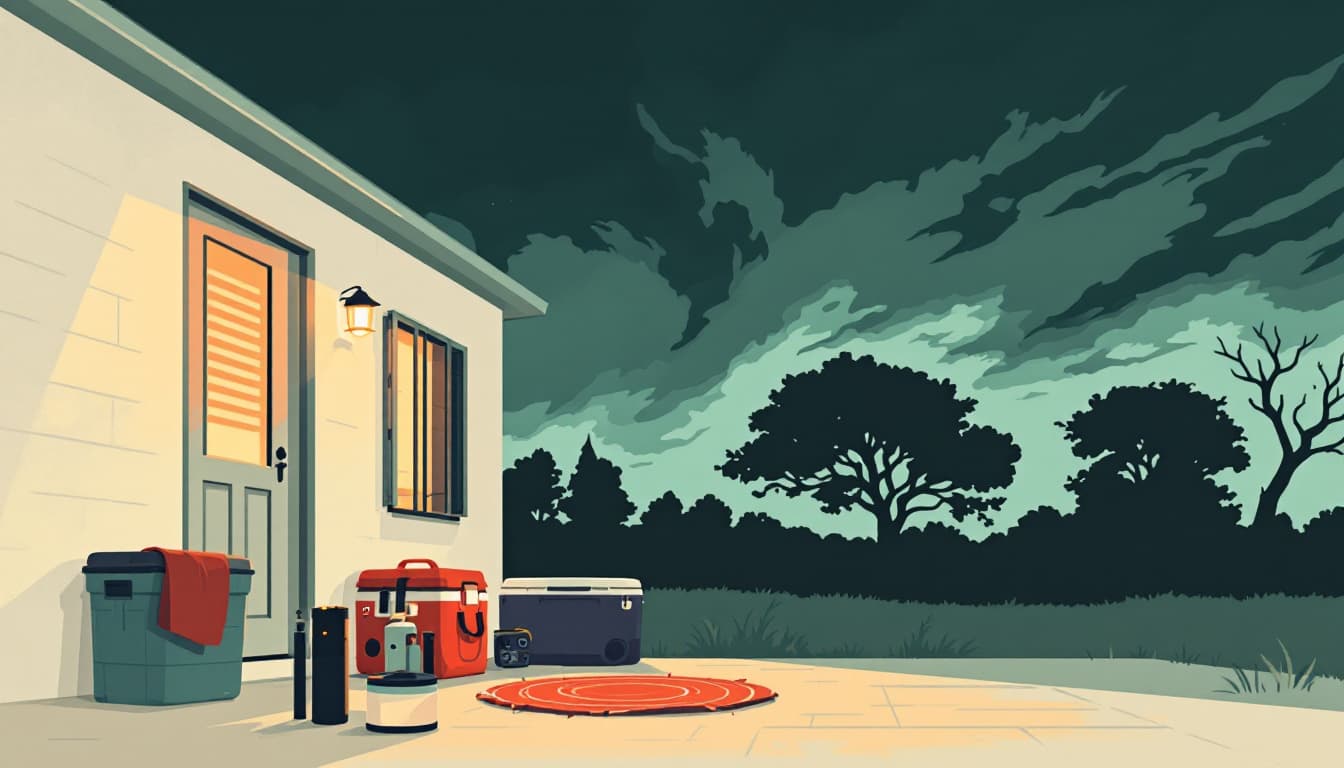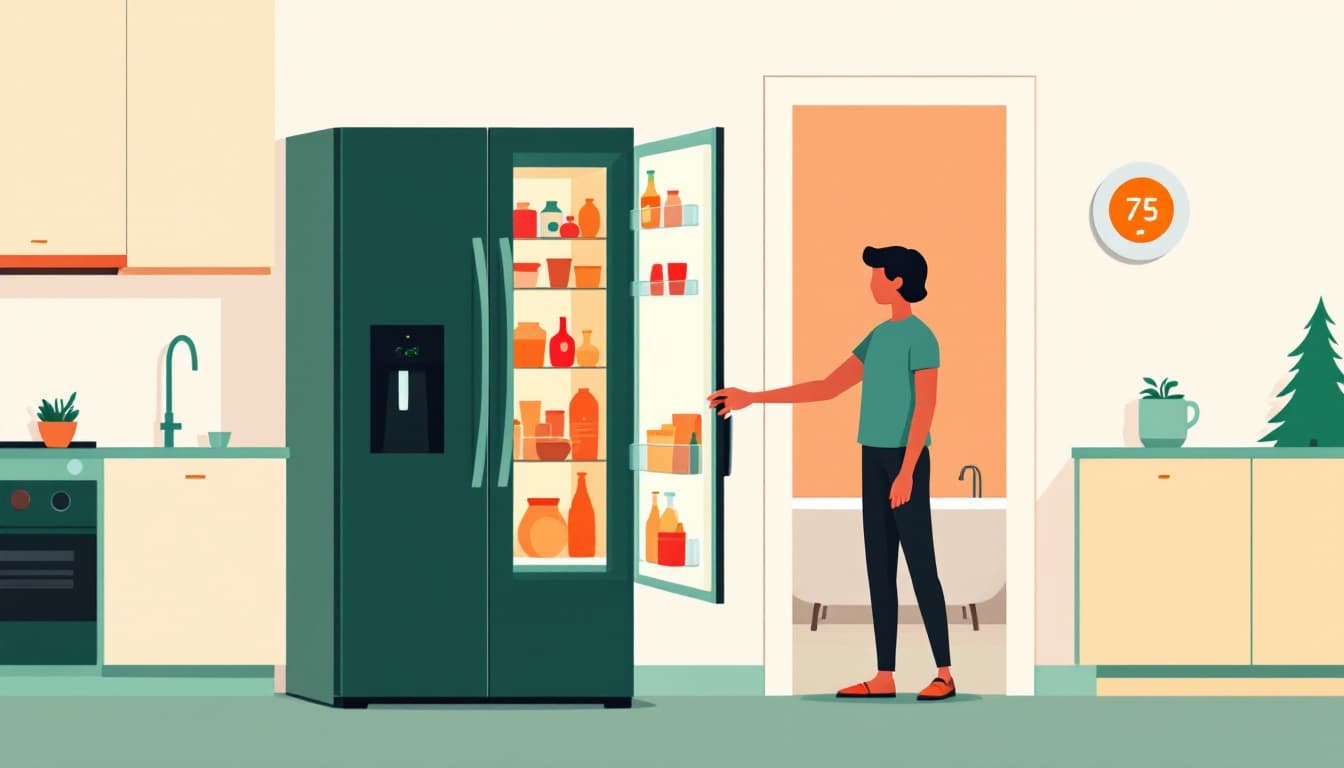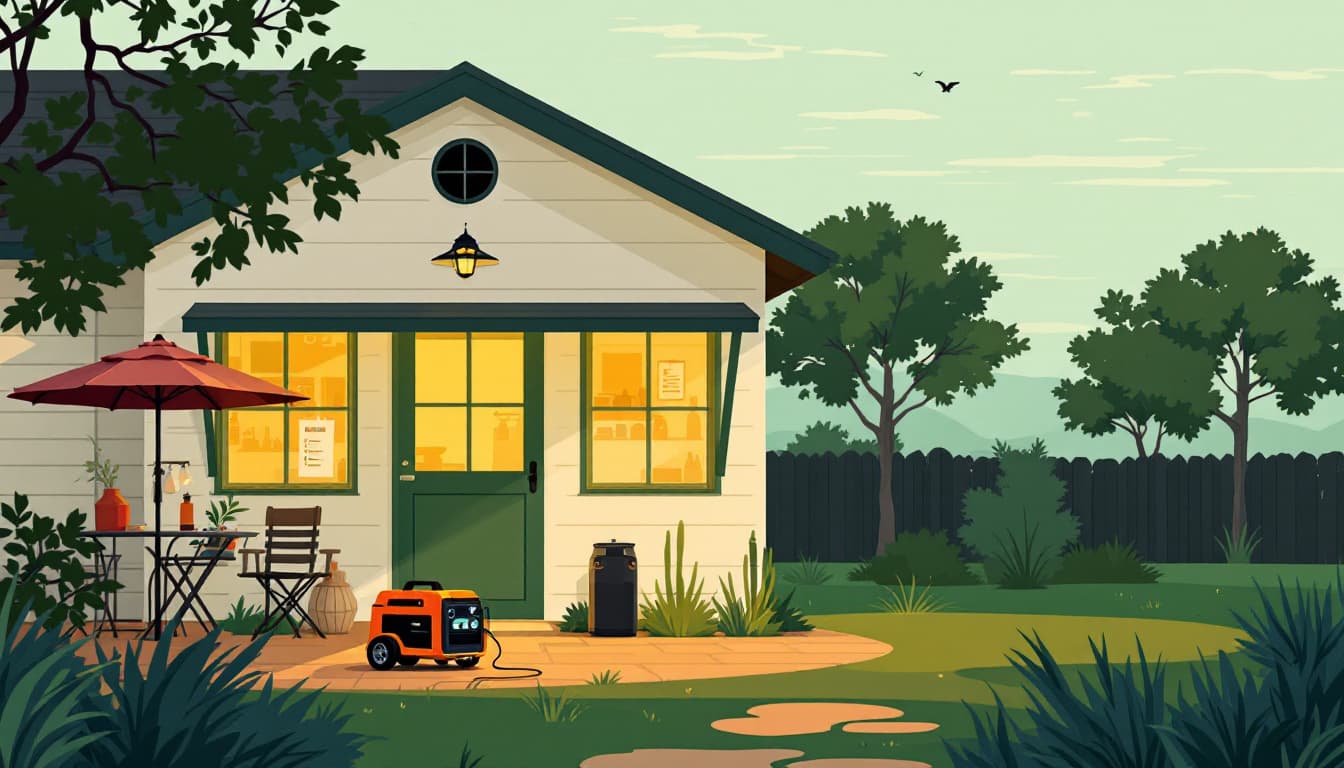
San Angelo got its lights back. That's the news. The less comfortable news, flagged by a report this week from TechStock², is that the worry behind that outage hasn't gone anywhere.
AEP Texas serves a sprawling chunk of West and Central Texas — territory that runs from the Permian Basin edge down toward the Hill Country — and when a chunk of San Angelo went dark, it landed as a small data point in a much larger pattern: the Texas grid enters every summer with tighter margins than the public narrative usually admits.
What's actually changing
ERCOT, the grid operator covering most of Texas, has been adding generation capacity. Wind and solar buildout has been substantial over the past several years. That's real progress, and the people who say the grid is simply broken are overstating it.
But demand is growing faster than most Texans realize. Large data centers, cryptocurrency mining operations, and industrial expansion in the Permian Basin are pulling electricity at a scale that didn't exist five years ago. ERCOT's own seasonal outlooks have consistently noted that peak summer demand could test reserve margins, particularly during multi-day heat events when wind production drops and every household AC unit runs simultaneously.
The San Angelo situation is a reminder that outages don't wait for a catastrophic grid failure. Distribution-level problems — a substation fault, equipment failure during a heat spike — knock neighborhoods offline for hours or days even when the broader grid is technically fine. Those localized events are the far more likely disruption for any given Texas household.
West Texas households face a compounding factor: extreme heat arrives earlier and hits harder in places like San Angelo, Midland, and Abilene than in Houston or Austin. A six-hour outage in June in San Angelo is a health event, not just an inconvenience.
What we'd actually do
Audit your cooling options before Memorial Day weekend. A window AC unit or a battery-powered fan is not a backup cooling strategy in West Texas July heat. Know which room in your house stays coolest longest — typically an interior room on the first floor — and think through what it would take to keep that one room livable for 24 hours without grid power. For households with elderly members or young children, a written plan matters more than gear.
Buy a mid-size portable power station and charge it now. A 1,000–1,500 watt-hour unit (Bluetti, EcoFlow, Jackery, and similar brands are all credible options at this tier) can run a box fan for 20+ hours, keep phones and medical devices charged, and power a CPAP machine overnight. They run $300–$600 on sale. That's not cheap, but it's a one-time purchase that covers power outages, camping, and storm season simultaneously. The mistake is waiting until the first ERCOT conservation alert in July and finding them backordered.
Register with AEP Texas's medical baseline or critical care program if anyone in your household qualifies. AEP Texas maintains programs for customers who depend on electric-powered medical equipment. Registration doesn't guarantee you won't lose power, but it does flag your address during restoration prioritization and may qualify you for rate adjustments. Call AEP Texas directly or check their residential services page — don't assume you're already enrolled because a doctor told you about it.
Stock three days of water and food that doesn't require cooking. This is the preparedness advice that sounds boring because it's been repeated so many times. It's repeated because it's the gap most households actually have. A grid outage that takes out your refrigerator, your stove, and your water pump (if you're on a well) simultaneously is a different problem than just sitting in the dark. Three days of shelf-stable food and a case of water per person closes most of that gap.
Sign up for ERCOT conservation alerts and your local utility's outage notifications. ERCOT issues public conservation appeals when grid reserves tighten — these are advance warnings, not post-outage notices. Signing up for AEP Texas outage text alerts means you find out about local distribution problems faster than checking social media. Both take under five minutes to set up.
The bigger picture
Texas's grid is not on the verge of collapse. It is, however, a system under real demand pressure, operated across geography that makes summer heat a legitimate safety factor. The San Angelo outage is a useful nudge, not a reason to panic-buy a whole-home generator.
The goal here is durability — the ability to absorb a 12-to-48-hour disruption without a household crisis. Most Texas families are closer to that than they think, and a few targeted steps close the remaining distance. Summer is the window to act. It opens soon.