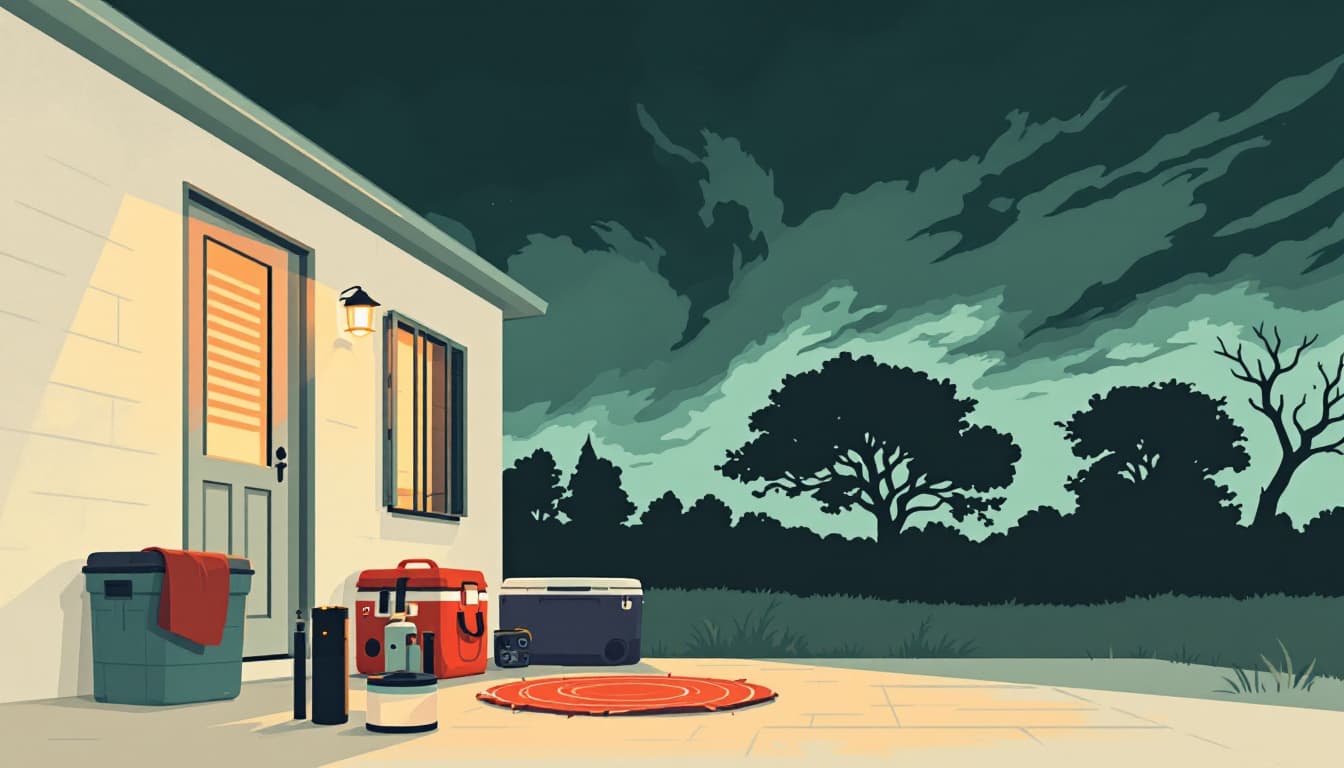
A San Antonio Express-News report this week puts the pattern plainly: high heat is returning to Texas, with storm relief still days away at best. That gap — the stretch between the heat arriving and any cooling front — is exactly when Texas households face the highest risk of cascading problems: grid strain, spoiled food, heat illness, and flooded streets if the storms arrive fast and hard.
ERCOT, the grid operator covering most of Texas, has logged its tightest reserve margins during multi-day heat events in June and July, before demand-response programs have fully engaged for the season. That's not a hypothetical. Texas households saw extended outages in 2021, and shorter but significant voltage events in summers since. A heat-then-storm sequence compounds the problem: high demand strains the grid, then sudden storm damage can knock out transmission or local distribution at the worst moment.
Here's what actually changes your household's risk profile right now.
What's actually happening
The forecast pattern San Antonio Express-News describes — heat first, storms later — is one of the more stressful sequences for Texas families. It's not the heat alone. It's the heat loading your home's thermal mass, depleting your refrigerator and freezer margins, and pushing ERCOT demand toward its ceiling, all before the storms arrive to potentially cut power at a moment when your house is already 85°F inside.
Central and South Texas are most exposed in this window, but the Dallas-Fort Worth Metroplex and the Houston metro face the same grid-stress dynamic. Rural households on co-op distribution lines face longer average restoration times than urban customers when storms do arrive.
Food safety is consistently underestimated. USDA guidance holds that a full, unopened freezer maintains safe temperature for roughly 48 hours after power loss; a half-full freezer, about 24 hours. Most Texas households don't have a full freezer in June. That's money on the table — or in the trash.
What we'd actually do
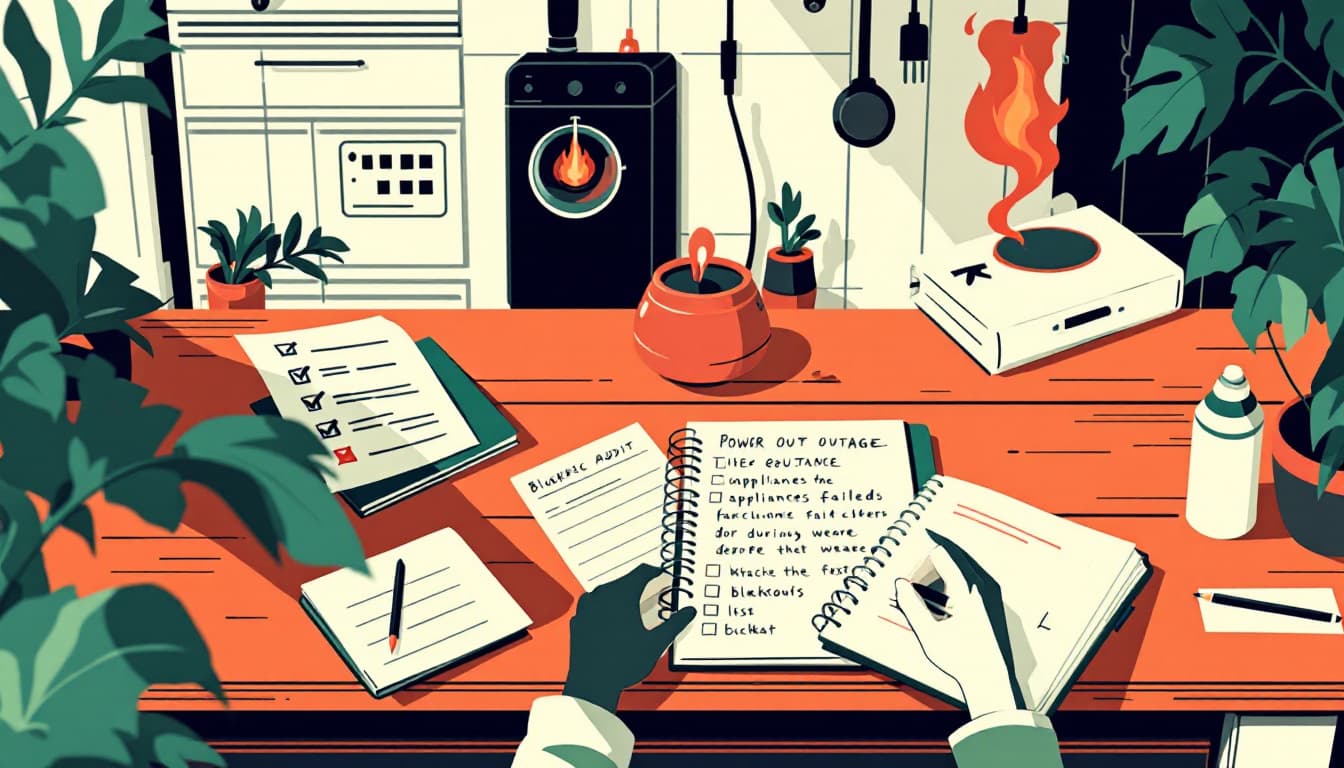
Check your circuit breakers and know your ERCOT outage zone. ERCOT's website and the PowerToChoose portal both allow you to look up your distribution utility. Knowing whether you're served by Oncor, CenterPoint, AEP Texas, or a municipal utility like Austin Energy tells you where to report outages and what the restoration priority rules are in your area. Spend ten minutes now instead of scrambling during an outage.
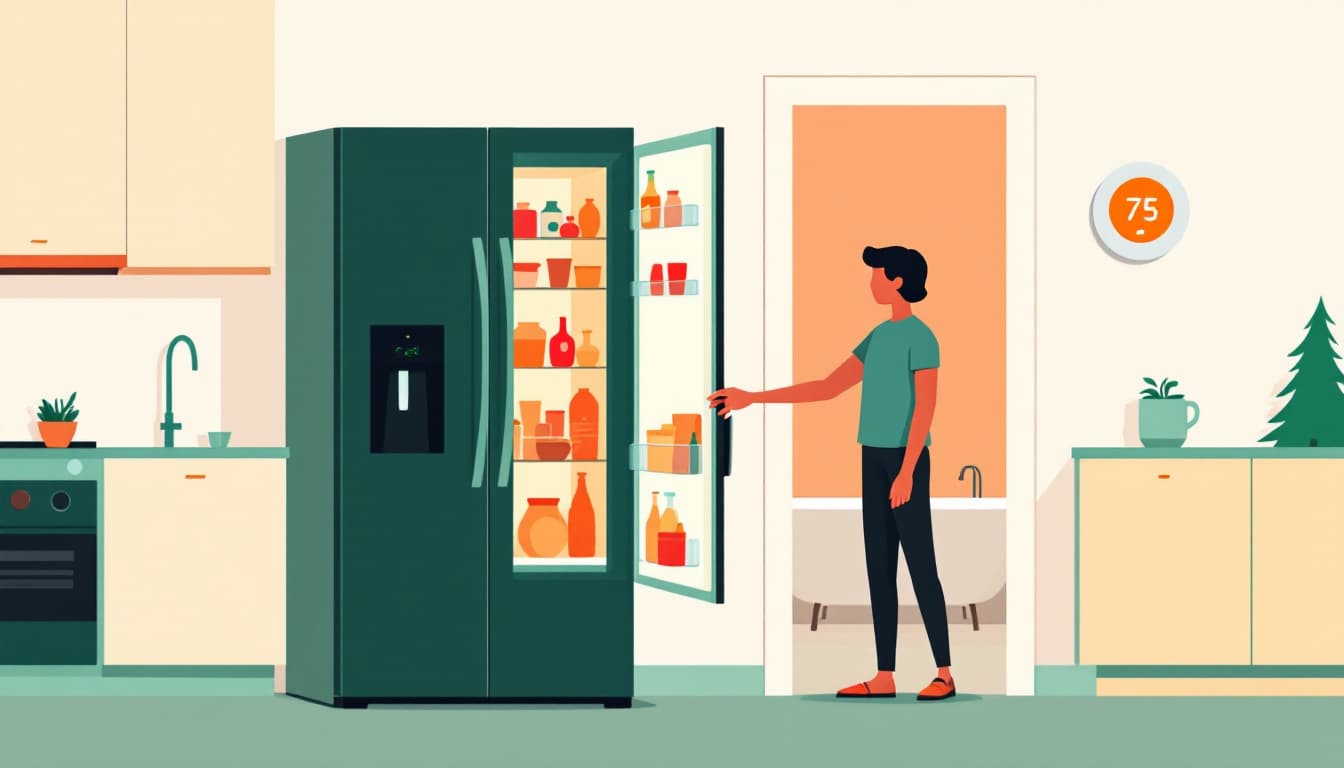
Consolidate and document your freezer. Move the most valuable frozen items to one consolidated section and take a quick photo of the contents. If you lose power for more than 24 hours, you'll know what was in there without opening the door repeatedly. Keeping the door closed is the single most effective way to extend safe temperature. A $12 freezer thermometer lets you check internal temp without opening the door at all.
Fill your car's gas tank and top off any portable generator fuel before the heat peaks. Gas stations lose pumping capacity during outages. If you have a generator, confirm the fuel stabilizer status and do a 15-minute test run now, not the day the power goes out. If you don't have a generator, identify the closest cooling center to your address through your county's Office of Emergency Management — most Texas counties publish these lists, and many activate them once heat index forecasts exceed 105°F.
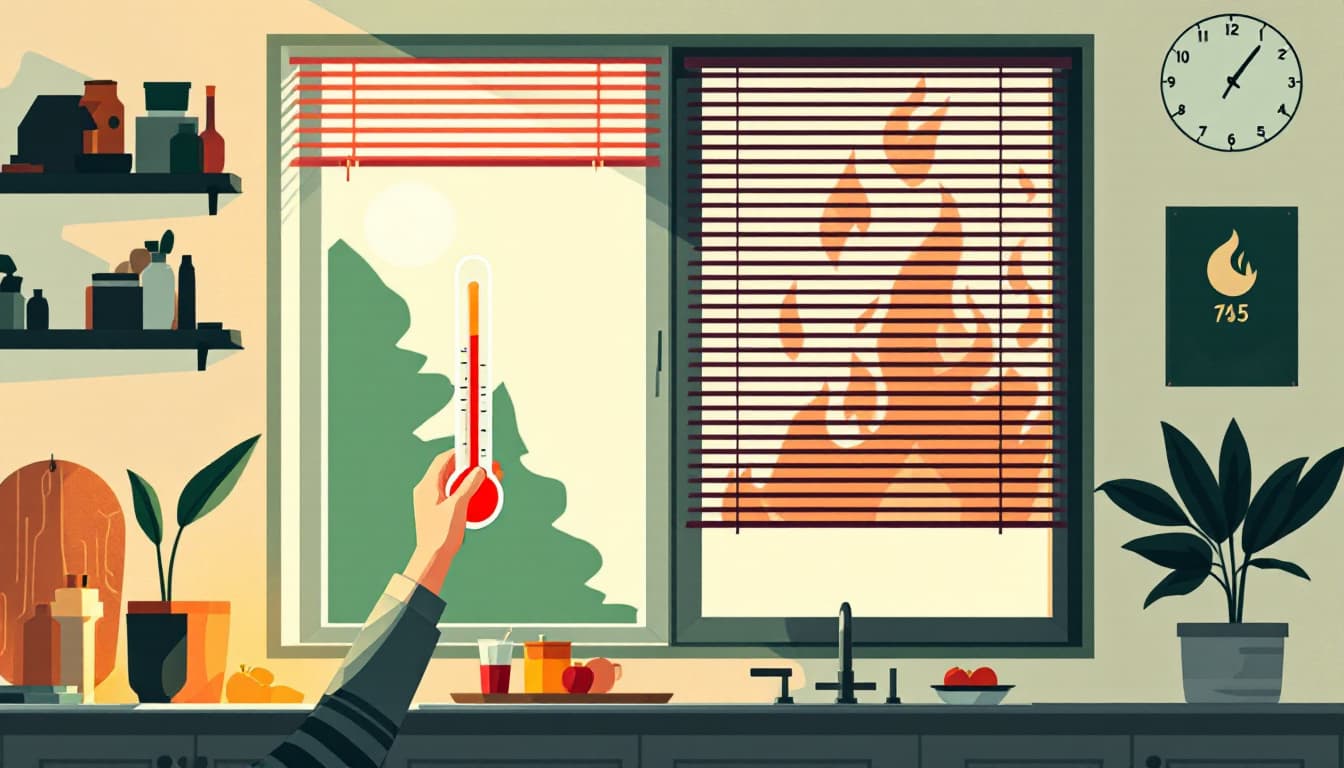
Pre-cool your home aggressively the evening before a forecast heat day. Set your thermostat 3–4°F lower than normal overnight. Your home's thermal mass — walls, floors, furniture — stores that cool and releases it slowly. This buys meaningful time if the grid tightens or you lose power. It also reduces your peak demand contribution, which matters when the whole grid is under stress simultaneously.
Stage a 72-hour water supply for each person and pet. Texas storms can contaminate municipal water or drop pressure for boil-water notices. The Texas Commission on Environmental Quality (TCEQ) issues these notices regularly after major storm events. One gallon per person per day is the floor; two gallons is more realistic in Texas heat when you're also managing hygiene.
The bigger picture
Texas heat is not a surprise and not a catastrophe. It's a recurring operational condition that your household can manage with modest preparation done before the stress arrives. The goal isn't a bunker — it's a house that keeps running when the grid gets tight, the freezer stays cold long enough, and you know exactly what to do when the lights go out at 4 p.m. on a 103°F Tuesday.
Durability looks like 72 hours of self-sufficiency, a clear mental map of your utilities, and a freezer you've thought about. That's it. Start there.