A report this week from AsatuNews.co.id noted that severe storms and heavy rain have triggered flood watches across Texas stretching through Memorial Day weekend. If you're in the Hill Country, the Piney Woods, or along any of the major river corridors — the Guadalupe, the Llano, the Trinity — that watch is not background noise. Flash floods in Texas move fast and they move without much warning. The state leads the nation in flood fatalities most years, and a significant share of those deaths happen to people who thought they had more time.
What's actually happening
Late May is peak season for this. Gulf moisture pushes inland, cold fronts stall, and saturated ground from earlier rains can't absorb more water. The Texas Division of Emergency Management and the National Weather Service issue watches when conditions are favorable for flooding — not when flooding has already started. That distinction matters. A watch means the window to act is now, not when you see water rising.
The watches cover a broad geographic area, which means your specific neighborhood may not flood — but the roads between you and the hospital, the grocery store, or your kids' school might. That's the underappreciated risk. You can be personally dry and still be cut off.
What this week's setup also illustrates: Texas flood events tend to cluster. One round of rain saturates the basin. A second round, even a lighter one, produces flooding that the first round alone wouldn't have. If we're already in flood watches heading into a holiday weekend with more atmospheric activity possible, the ground is doing you no favors.
What we'd actually do
Check your specific address on the FEMA Flood Map Service Center before Friday. Go to msc.fema.gov and enter your address. This tells you whether you're in a high-risk zone. Many Texas families who flood are not in mapped floodplains — roughly 40% of flood insurance claims nationally come from outside Zone A — but the map tells you the baseline and helps you think about elevation relative to nearby drainage.
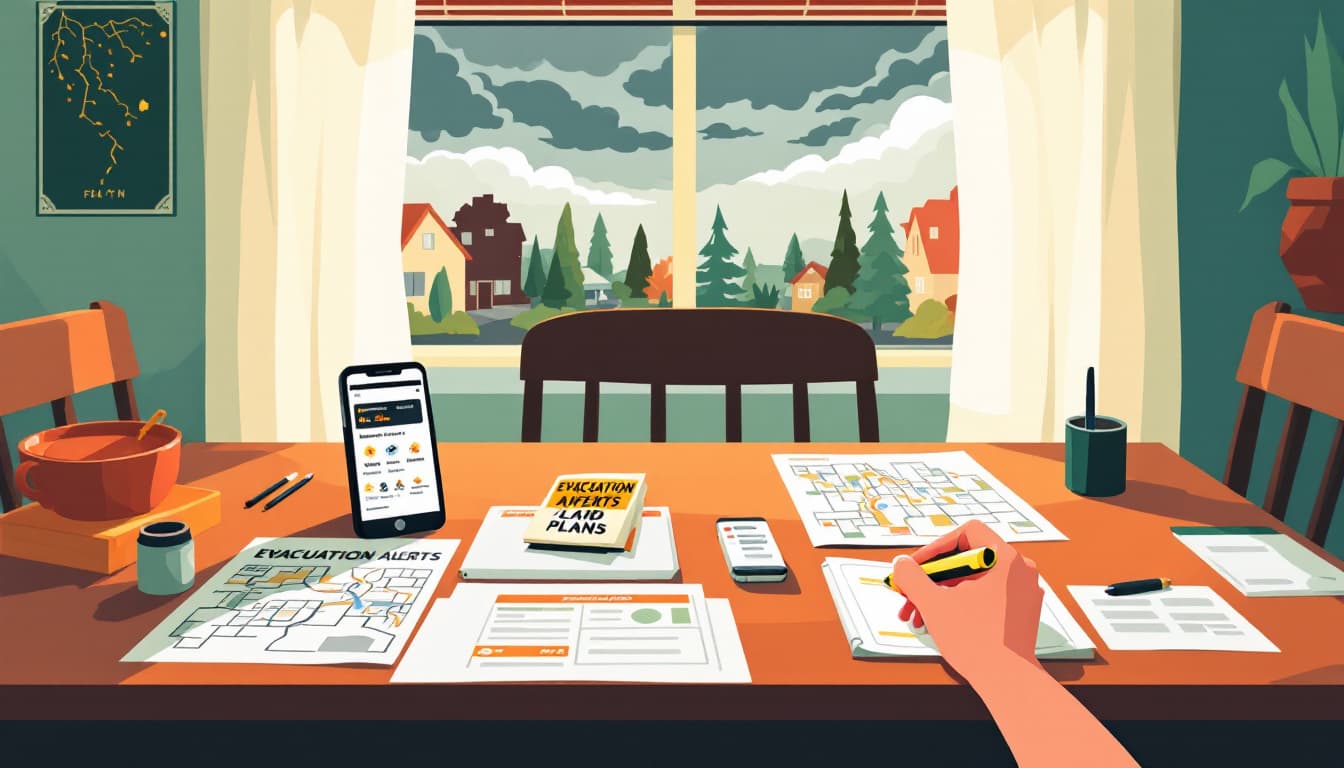
Locate your nearest alternative routes now, not during the event. Texas floods close roads fast and the closures can be counterintuitive — a road two miles from a creek can go underwater while the creek itself looks fine. Pull up your county's flood gauge network (the Harris County Flood Warning System and the Lower Colorado River Authority both run real-time gauge maps) and identify which roads in your area sit in low-lying corridors. Know two ways out before Saturday morning.
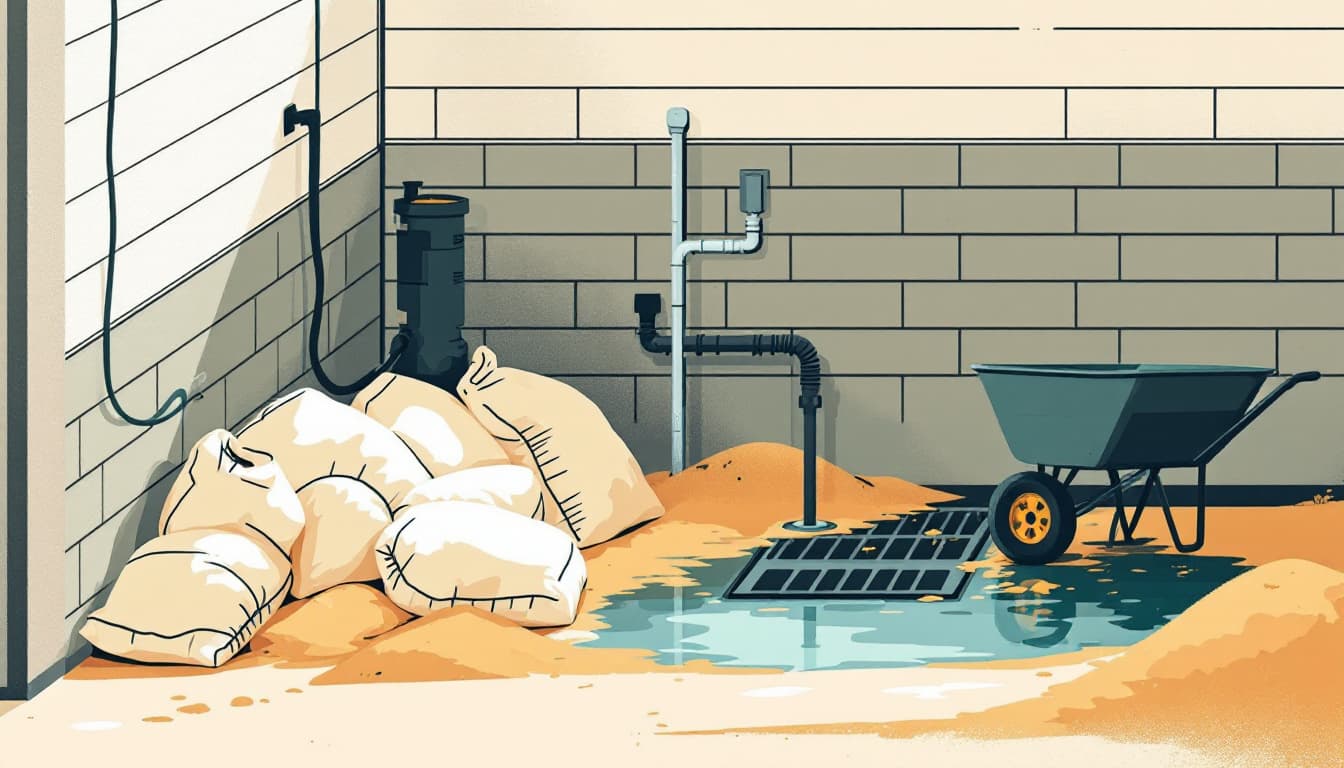
Move important documents and irreplaceable items to a higher shelf or waterproof container this week. A gallon-size zip bag inside a plastic bin handles 95% of what most households need: insurance cards, passport copies, medication lists, a small amount of cash. Takes ten minutes. Flood damage to paper records is one of the most disruptive and least-discussed parts of a flood event.
If you have a vehicle parked in a low spot, move it. Flood damage to cars is typically not covered under standard auto liability — it requires comprehensive coverage. More importantly, a submerged car is a dead car for weeks. If your driveway sits at the bottom of a grade or near a drainage channel, park on higher ground for the weekend.
Refresh your household's "turn around, don't drown" rule explicitly. Six inches of moving water can knock an adult off their feet. Two feet can float most vehicles. Texas fatalities from flooding are disproportionately people in vehicles. This is worth a five-minute conversation with every driver in your household before the weekend.
The bigger picture
Texas flooding is not a rare catastrophe. It's a recurring operating condition for anyone who lives here. The Hill Country averages several significant flood events per year. The Gulf Coast corridor and the DFW metroplex both have drainage systems that were designed for rainfall patterns that no longer match what the atmosphere delivers.
None of this requires a bunker or a year of supplies. It requires knowing your elevation, knowing your exits, and keeping your paperwork dry. The goal isn't to survive the worst day imaginable. It's to handle a bad weekend without it becoming a financial and logistical crisis that lingers for months.
This Memorial Day weekend, the smartest thing a Texas family can do is spend 30 minutes Wednesday or Thursday doing the boring, preventive work — so Saturday becomes a weather day, not an emergency.