Picture a family that has done most things right. Three weeks of food. Water storage. A go-bag by the door. A savings account earmarked "emergency only." They feel prepared, and by the gear-centric checklist standard, they are.
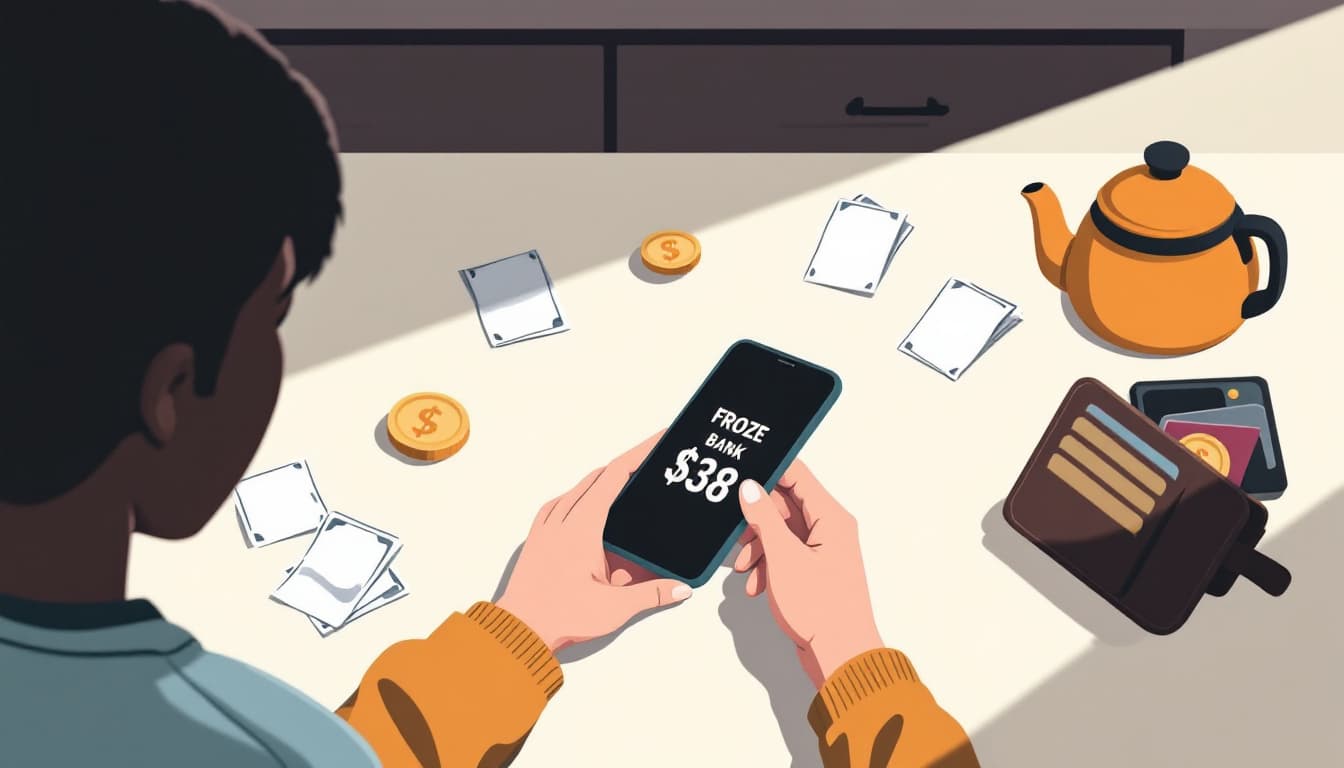
Then a six-week job disruption hits — not a layoff, just a reduction in hours, the kind that doesn't make headlines. Within three weeks, the savings account is unexpectedly thin. Not because of groceries or a surprise bill. Because of forty-two recurring charges they'd stopped thinking about.
This is the preparedness risk that almost no one models: the subscription floor.
The math most households have never run
Here's the framework. Every household has a fixed monthly outflow that continues whether or not anyone is earning. Mortgage or rent, yes. Car insurance, yes. But the number most families misquote — sometimes by a factor of two — is what BLS consumer expenditure surveys broadly categorize as "miscellaneous services and subscriptions." These are the charges that auto-renew without requiring a decision.
A reasonably wired middle-class household in 2026 typically carries somewhere between $300 and $600 a month in subscription-class charges. Streaming bundles. Cloud storage tiers. Software-as-a-service tools that started as free trials years ago. Gym memberships on annual autopay. Meal kit boxes that were paused and then quietly resumed. Premium tiers of apps someone downloaded during a commute. Pet insurance. Roadside assistance from three different cards. Identity protection from two.
The specific number matters less than the structural problem: most of these charges are individually small and collectively invisible. They don't appear as line items in most people's mental accounting. They just drain.
Now extend that into a disruption scenario. FEMA's longstanding guidance suggests households should be able to sustain themselves for at least two weeks without outside assistance. Financial planners typically push three to six months of expenses as a liquid reserve. But if your baseline monthly outflow is $1,200 higher than you think it is — because you've never actually summed the subscriptions — then your "six months" is functionally four months and change.
That gap could be the difference between riding out a disruption and making a panicked decision.
Why this is underweighted
Two cognitive patterns work against clear thinking here.
The first is unitization. Twelve dollars a month feels like almost nothing. But twelve dollars a month for thirty-five services is $420 a month, which is $5,040 a year. Nobody would willingly write a $5,040 annual check for a basket of services they'd only assembled by accident. The subscription model exists, in part, because it defeats the kind of deliberate decision-making that large numbers prompt.
The second is recency neglect in reverse. We remember adding subscriptions. We rarely experience the moment of canceling them, so we don't register their ongoing presence the same way. A charge that's been auto-renewing for two years is basically invisible — right up until a disruption forces you to audit your bank statements.
The preparedness community tends to focus on physical scarcity: what happens when the water runs out, when the grid goes down, when the store shelves empty. These are real risks worth modeling. But financial preparedness is almost always framed as "have X months of savings" — not "know what your actual monthly floor is before you calculate X."
The deeper principle
Physical preparedness and financial preparedness are mirror disciplines. Both require you to take an accurate inventory of where you actually stand, not where you approximately feel like you stand. You wouldn't estimate your water storage by feel; you'd count the gallons. The same rigor applied to outgoing cash flow changes the picture significantly.
There's also a resilience argument that goes beyond emergency scenarios. Households that know their subscription floor — and have made active decisions about each line item — tend to have meaningfully more flexibility in their monthly budget. That flexibility is preparedness capacity: it funds the water storage, the food buffer, the upgraded smoke seals on the windows.
The slow-leak risk isn't that subscriptions will ruin you. It's that they quietly consume the margin that would let you absorb a real disruption without panic.
Running an honest audit — not approximate, not from memory, but from actual bank and credit card statements — is one of those things that takes ninety minutes and changes the math on every financial preparedness calculation you've ever made. Our water and food calculator works the same way: you don't estimate, you count. The principle transfers directly.
The family with the go-bag and the hollowed-out emergency fund didn't fail at preparedness. They just modeled the wrong number.