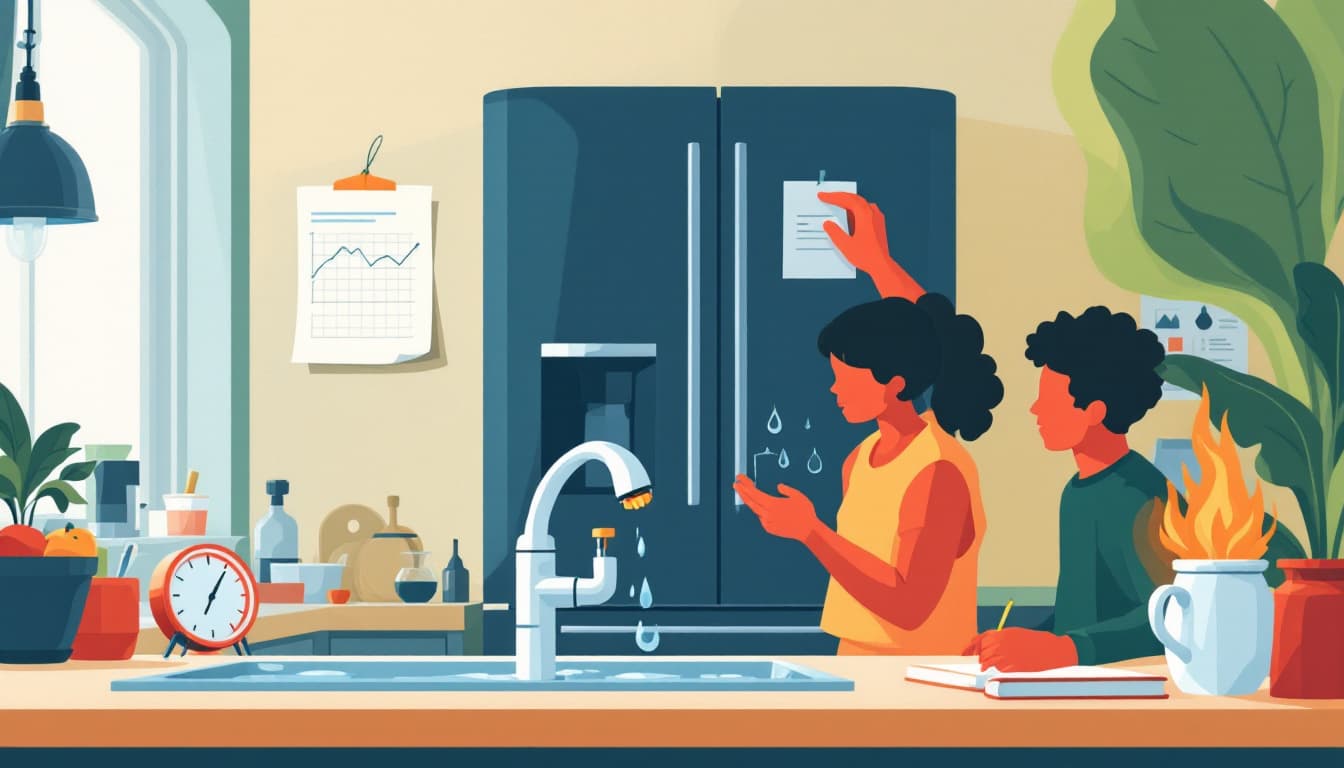
A report this week from NBC4 Washington describes mandatory water-use restrictions in parts of Virginia — limitations on irrigation, car washing, and in some areas residential tap use — tied to an ongoing drought that depleted local reservoirs and streams faster than seasonal norms predicted. It's easy to read that as a Mid-Atlantic problem. It isn't quite that simple if you live east of the Cascades.
What's actually different about Washington's water situation
Western Washington gets the rain-soaked reputation, and it's mostly earned. The Puget Sound corridor is not facing the kind of reservoir stress Virginia is. But Washington is not one climate zone.
Eastern Washington — the Yakima Basin, the Columbia Plateau, the Okanogan Highlands — runs on snowpack. When that snowpack comes in thin or melts early, water rights get curtailed. Washington uses the prior appropriation doctrine: "first in time, first in right." Junior water-rights holders, including many newer residential wells and small farms, can be legally cut off when senior rights are being filled. The Washington State Department of Ecology issues curtailment orders when stream flows drop below established minimums. This is not hypothetical; curtailments in the Yakima Basin have happened in multiple recent dry years, affecting both irrigators and some domestic well users.
Recent snowpack data for several Eastern Washington basins has tracked below the long-term median heading into summer 2026. USDA Natural Resources Conservation Service snowpack reports are public and updated monthly — worth bookmarking if you're anywhere in the eastern half of the state.
For Western Washington households, the risk is different but real: municipal systems draw from reservoirs and rivers fed by the same snowpack and spring rainfall. Extended dry summers stress those systems incrementally. Seattle Public Utilities and Tacoma Water both have tiered conservation programs that activate under drought declarations. Knowing which tier you're in before a restriction notice hits your mailbox is basic situational awareness.
What we'd actually do
Find your water source and its vulnerability. If you're on a municipal system, look up your utility's drought response plan — most utilities in Washington post these online. If you're on a private well, contact your county health department to understand whether your well is in a curtailment-prone basin. This one piece of information changes everything about your household planning.
The Yakima and Methow valleys have documented curtailment histories. If you're buying rural property in these areas, a water-rights review is not optional.
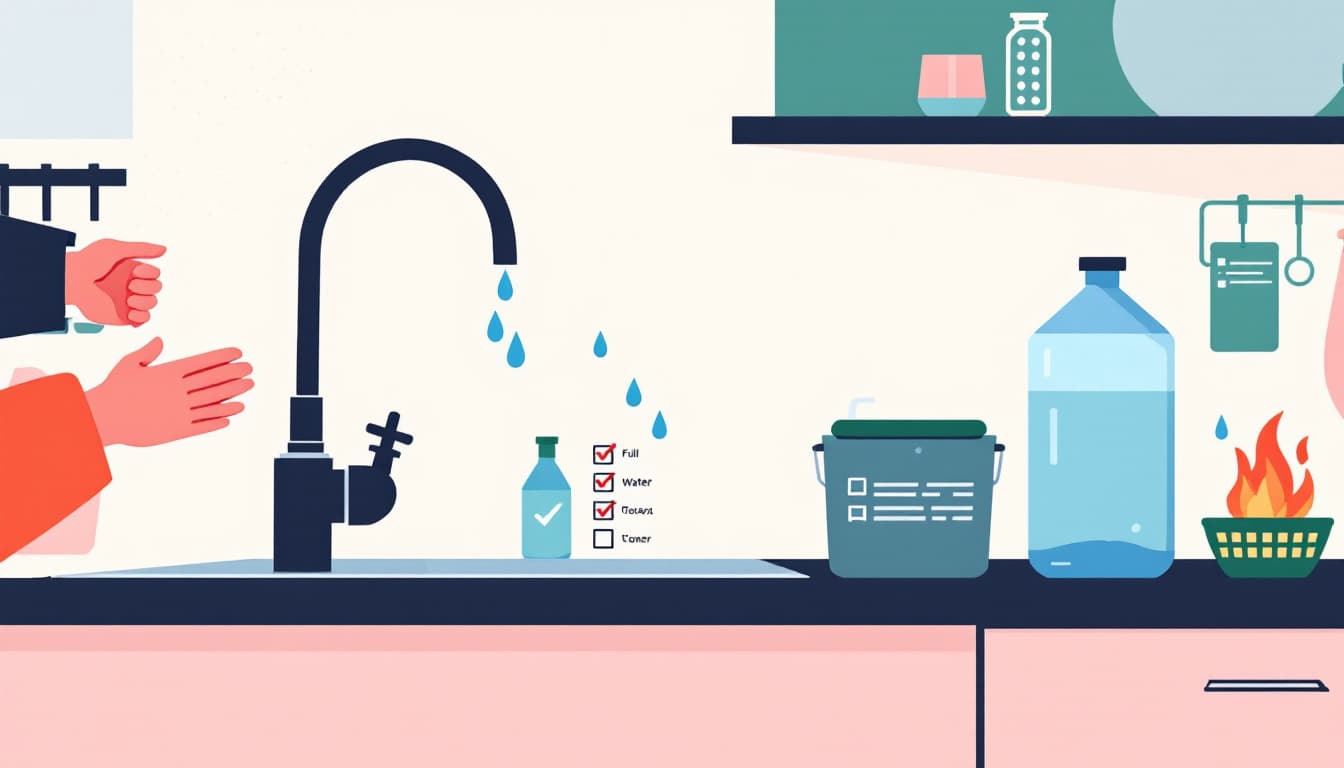
Store more than you think you need, cheaply. FEMA's standard guidance is one gallon per person per day. For a real-use scenario — cooking, basic sanitation, a pet, a garden you're not willing to lose — that number is closer to three gallons. A family of four with a two-week buffer needs roughly 170 gallons. Two food-grade 55-gallon drums cost under $80 used and fit in a garage corner. Fill them from the tap now, treat with unscented liquid chlorine bleach (roughly eight drops per gallon), and rotate annually.
Understand what a Stage 2 restriction actually prohibits. Washington utilities define their own restriction stages. Stage 1 is usually voluntary. Stage 2 often bans outdoor irrigation on certain days or times. Stage 3 can prohibit all outdoor watering. Pull up your utility's current drought plan and read the Stage 2 and 3 columns. Most households have never done this and are genuinely surprised when restrictions land.
If you have a garden, shift your irrigation timing now. Early-morning watering — before 9 a.m. — cuts evaporation losses by roughly a third compared to midday watering. Drip irrigation reduces use further. Neither change costs much. Both make you a lower-consumption household before any restrictions arrive, which matters if your utility moves to odd/even watering schedules.
Know your neighbors' wells. Rural communities in drought-prone Eastern Washington counties often share informal knowledge about which wells go dry first in a low-water year. That local knowledge is worth more than most gear purchases. If you're new to a rural area, ask the people who've been there through a dry summer.
The bigger picture
Virginia's restrictions are a reminder that water access is not a permanent given in American residential life — it's a managed resource with legal hierarchies, infrastructure constraints, and weather dependencies. Washington is not immune to any of that. The goal here isn't to stockpile water in a panic. It's to understand your specific household's position in a system that most people never think about until something goes wrong.
Durable households know where their water comes from before summer arrives.