A report this week from News Talk KIT noted that Straus Creamery has recalled ice cream products across 17 states due to potential metal fragment contamination. Washington is on that list.
Metal fragments in food are not a theoretical risk. They cause lacerations and choking injuries serious enough to require emergency care. The FDA classifies them as a Class I or Class II hazard depending on size and hardness. This recall is not a label error or a precautionary microbiological hold — it's a physical-contamination event, which means the harm is immediate and detectable only after someone is already hurt.
If you have Straus ice cream in your freezer right now, stop. Check the FDA's recall database at fda.gov/safety/recalls-market-withdrawals-safety-alerts for the specific lot codes and UPC numbers. Do not eat the product until you've confirmed it's outside the recall scope.
What's actually changing
Food recalls happen constantly. The FDA typically posts dozens per month. What most households are missing is not awareness that recalls exist — it's a reliable system for catching the ones that affect food already in their home.
The gap is structural. Most people learn about a recall from a news alert, a grocery store sign, or a friend's text. By then, the product may have been consumed, or it may be sitting in a freezer behind three other things. Washington households that buy from natural-food co-ops, PCC Community Markets, or direct from creameries and farms are especially likely to hold premium perishables longer than the average household, and to feel less inclined to throw out a $9 pint based on a headline.
That instinct — "it's probably fine" — is exactly what recall systems have to work against.
There's also a preparedness angle here that the original report doesn't address: households that maintain a larger pantry or freezer stock (which we generally encourage) face proportionally higher exposure when a recall hits. More food in the house means more chances that something recalled is already in rotation.
What we'd actually do
Sign up for FDA MedWatch and USDA FSIS email alerts today. Both agencies offer free email subscriptions for food and product safety notices. Go to fda.gov and usda.gov, search "recall alerts," and subscribe. This takes four minutes. You will get an email when a recall is announced rather than finding out two weeks later at the checkout line.
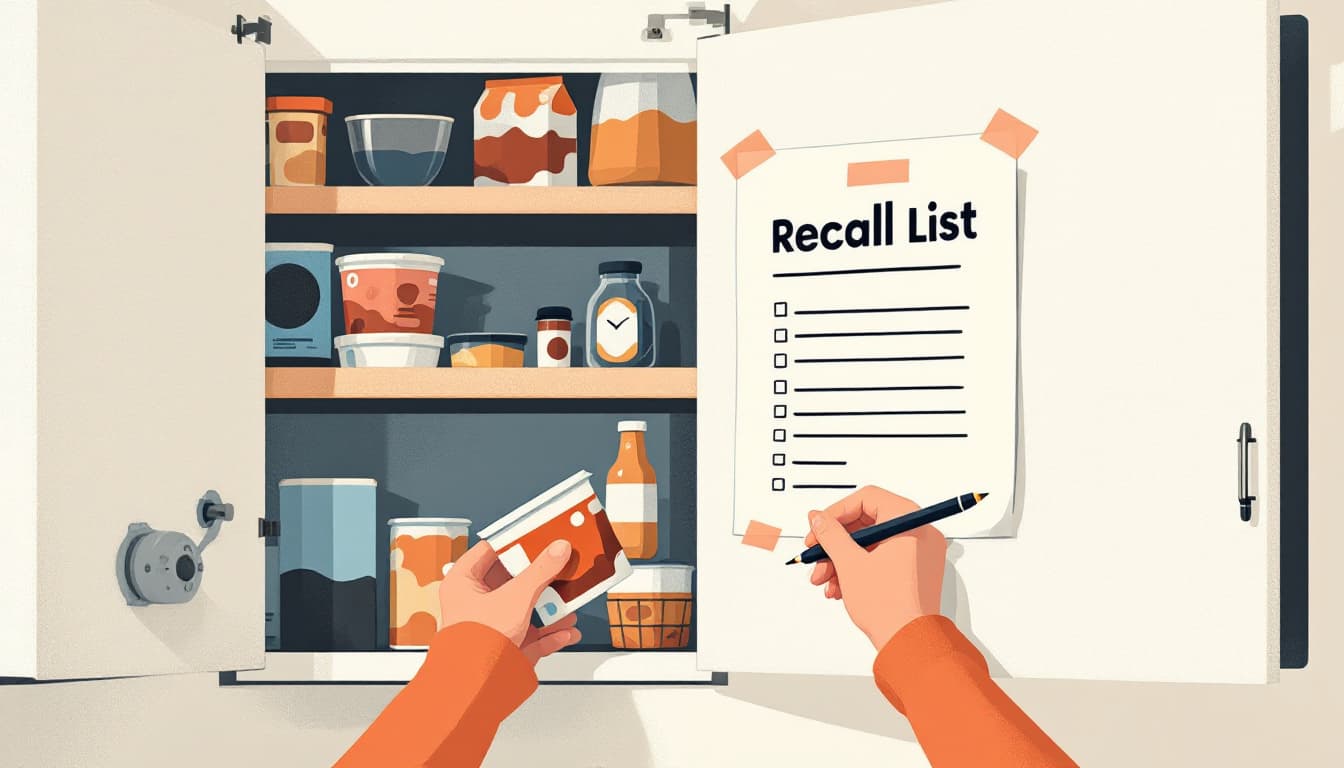
Write lot codes and purchase dates on frozen and shelf-stable items when you store them. A Sharpie on the lid takes three seconds. When a recall notice arrives, you need to match a lot code to what's in your house — and that's impossible if you've thrown away the packaging. This habit also helps with rotation and expiration tracking, which reduces food waste independent of any recall event.
Know your nearest Washington State Department of Agriculture (WSDA) contact for food-safety complaints. If you believe you've been harmed by a recalled or contaminated product, the WSDA Food Safety Program is your state-level point of contact alongside the FDA. Their website lists reporting pathways for consumers. Federal recalls often move slowly; state agencies can sometimes act faster on localized distribution issues.
Audit your freezer stock quarterly, not annually. Washington households stocking for earthquake preparedness or winter weather tend to run deeper freezer inventories than average. A quarterly 20-minute check — cross-referencing current open recalls against what's in your freezer — is a manageable rhythm. The FDA's recall database is searchable by brand and product type.
When in doubt, return it. Retailers are required to accept recalled products for a full refund. You do not need a receipt in most cases. Whole Foods, PCC, Costco, and most regional co-ops have handled enough recalls that their customer-service desks know the process. The $9 pint is not worth the risk, and the refund is yours by right.
The bigger picture
Preparedness culture tends to focus on acquiring food. The less glamorous work is building the systems that ensure what you acquire is actually safe to eat when you reach for it. A well-stocked pantry is a liability if you have no mechanism for catching the bad batches before they reach your family's table.
The Straus recall will be resolved. Straus will issue corrective actions, the affected lots will leave circulation, and the story will disappear from the news cycle within days. What stays with you should be the reflex: a subscription to recall alerts, a Sharpie on every lid, and a quarterly ten-minute audit. That's durable. That's the goal.