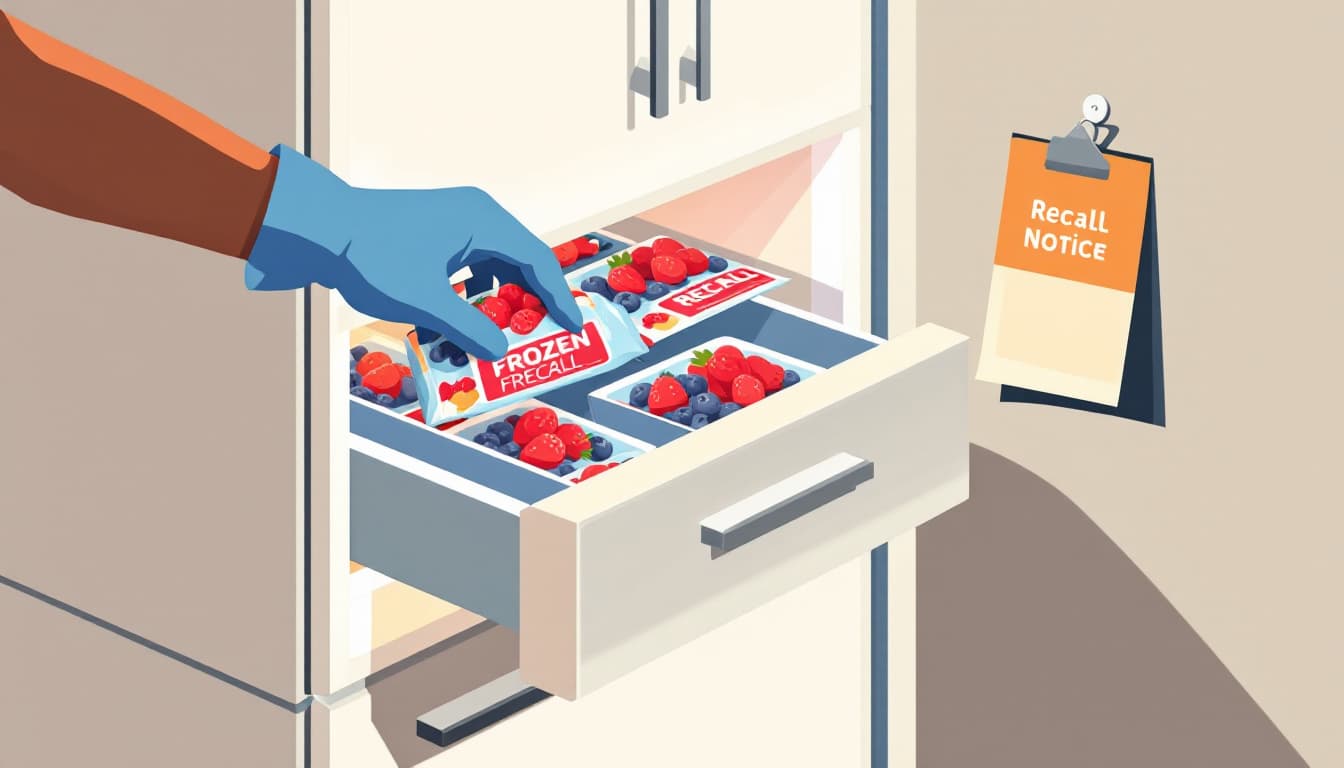
A report this week from NBC4 Washington flagged a recall from a popular frozen foods brand over possible plastic contamination in its products. The details on scope and specific lot numbers are still emerging, but the mechanism is familiar: a fragment of hard plastic from processing equipment makes it into the product, gets sealed in the bag, and sits in your freezer until someone bites into it.
Washington households — particularly those who stock frozen meals as part of an emergency food rotation — should treat this as a prompt, not a panic.
What's actually changing
Frozen food recalls for physical contamination happen several times a year across the industry. The USDA's Food Safety and Inspection Service maintains a running recall list, and plastic and rubber contamination from processing lines is a consistent entry. What makes this one worth flagging is the product category: frozen meals are a go-to for emergency food storage because they're shelf-stable under power, require minimal prep, and are calorie-dense.
The problem is that most households treat their freezer stock as "set and forget." Bags get pushed to the back. Lot numbers get ignored. And when a recall drops, the average person doesn't know what they have or when they bought it.
That's the real issue here, not the specific brand.
Washington residents have additional reason to keep their freezer inventory tight. The state experiences power outages from windstorms, ice events in the passes and eastern valleys, and the occasional wildfire smoke event that disrupts supply chains to more rural communities like those along Highway 2 or in Ferry and Stevens counties. A freezer full of unvetted recalled product is a liability, not a resource.
What we'd actually do
Check the FDA and USDA recall databases right now. Go to recalls.fda.gov or fsis.usda.gov/recalls and search for the brand name. These pages are updated within hours of a recall announcement and include the specific UPC codes and lot numbers affected. Do not rely on news headlines alone — they rarely include the granular product information you need to make a decision about what's in your freezer.
Write down or photograph the UPC and lot numbers of every frozen product in your freezer. This takes about ten minutes and makes every future recall check a thirty-second task instead of a scavenger hunt. For households keeping a 30-day food supply, this is foundational — you should know what you have, not guess.
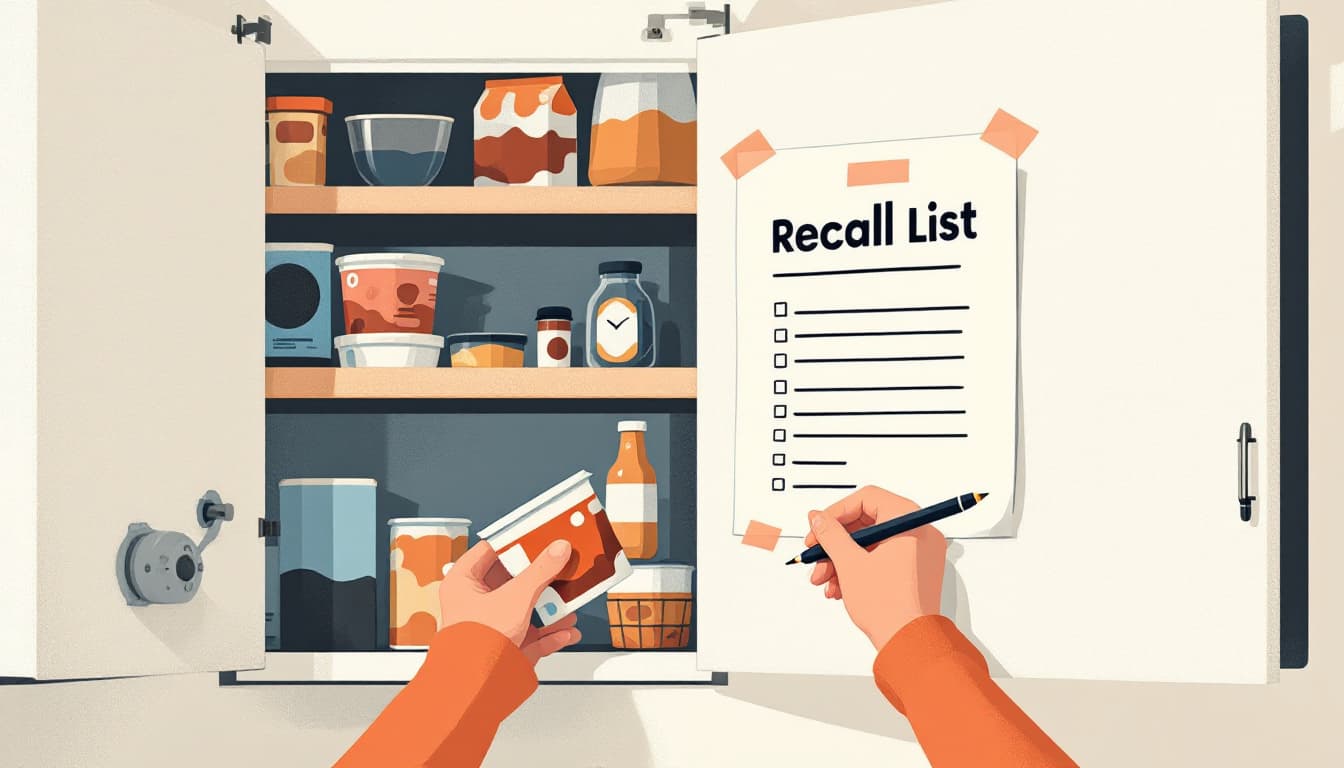
Establish a freezer rotation log. A simple paper sheet taped inside a cabinet door works. Date of purchase, product name, quantity. Cross items off as you use them. Washington households who lost freezer contents during the windstorm outages of recent winters already know the pain of undocumented inventory; a log also helps you calculate actual loss for insurance purposes.
Diversify your emergency food base away from a single category. If your entire non-perishable supply is frozen meals from one or two brands, a single recall or a multi-day outage wipes it out. A mix of freeze-dried, canned, and dry goods gives you redundancy. You don't need to overhaul anything this week — just make sure frozen isn't the only leg on the stool.
Register your products with the manufacturer. It sounds like the kind of thing nobody does, but several major frozen food brands will send direct recall notifications to registered customers. It takes two minutes and means you hear about a recall before it trends on social media.
The bigger picture
A frozen food recall is not a signal to distrust the food system wholesale or to build a bunker. It's a signal that food safety infrastructure works — recalls are evidence of detection, not evidence of systemic collapse — and that households who pay mild, consistent attention to what they store are better positioned than those who ignore it.
The goal is a home that handles a recall, a power outage, or a week of disrupted grocery access without drama. That requires knowing what you have, rotating it, and checking the databases occasionally. None of that is hard. None of it requires a significant investment. It just requires treating your food supply the way you treat your smoke detectors: with low-effort, periodic attention rather than either panic or complete indifference.