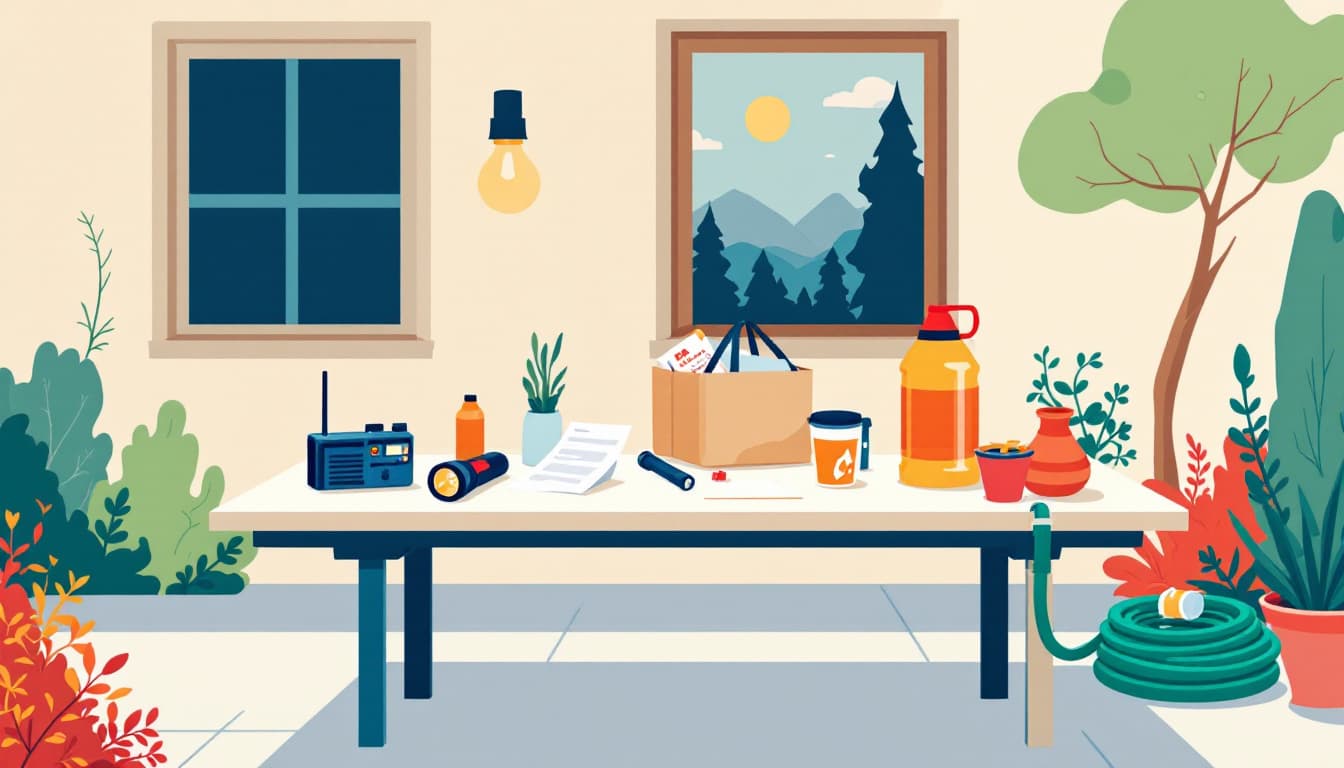
A report this week from whas11.com documented thousands of households losing power across Kentucky and Indiana after a round of severe summer storms. Outage maps lit up. Crews scrambled. Families spent nights without air conditioning during a heat event.
That's the Midwest. Here's why Washington households should read that map carefully anyway.
What's actually changing
Washington's grid faces a different but overlapping set of stressors. The Cascades divide the state into two sharply different exposure profiles. West of the mountains, wind events — particularly the convergence-zone windstorms that funnel down from the Strait of Juan de Fuca — have historically been the primary outage driver. Puget Sound Energy and Seattle City Light maintain some of the most tree-dense service territories in the country, and falling conifers take lines down fast.
East of the Cascades, the risk calculus shifts toward wildfire. When fire approaches transmission corridors, Bonneville Power Administration and local utilities have been known to de-energize lines proactively, a practice that's become more common since utilities in other states faced liability from energized lines igniting fires. That means a fire 40 miles from your home in Spokane or Wenatchee can still cut your power.
And both sides of the state share a third vulnerability: a regional grid that's increasingly strained by summer cooling loads, EV adoption, and a long backlog of infrastructure upgrades documented in recent Puget Sound Energy integrated resource planning filings.
Summer 2026 follows several years of back-to-back drought cycles. Lower snowpack means less hydroelectric buffer. The Columbia River system, which supplies a substantial share of the region's electricity, runs leaner in dry years precisely when demand peaks. That's not a prediction of a catastrophic failure. It's a structural pressure that makes ordinary disruptions more likely to cascade.
The Midwest outages this week are a useful proxy. Storm-driven outages don't respect geography. They stress-test the same household systems Washington families have been meaning to review since last October.
What we'd actually do
Check your utility's outage notification settings this week. Both PSE and Seattle City Light offer text and email alerts, but defaults often aren't set to the most granular level. Log in, confirm your address is current, and opt into all available notification tiers. Knowing a crew is three hours out changes your evening differently than finding out your neighbor's power is back and yours isn't.
Most families discover they have the wrong contact information in their utility account only when they're trying to report an outage from a dead phone. Five minutes now eliminates that friction.
Inventory your refrigerator and freezer in terms of hours, not contents. A fully stocked, full freezer holds safe temperature for roughly 48 hours if you keep it closed; a half-full one closer to 24. Write the number on a sticky note on the freezer door. This sounds trivial until hour 30, when you're deciding whether to cook everything or drive to a friend's house.
Washington households east of the Cascades should factor in that summer outages here often coincide with triple-digit heat — the combination of no power and 105°F in the Yakima Valley is a genuine medical risk, not a camping inconvenience.
Establish one low-cost cooling refuge on your contact list. This doesn't mean buying a generator. It means knowing which library branch, grocery store, or family member's home has AC and is within reach. King County's cooling center locator (accessible via kingcounty.gov) updates during heat emergencies; if you're in another county, find your equivalent now.
The generator sales pitch is real but often oversold. A battery-powered fan, a cooler with ice, and a destination 10 minutes away solve 80% of what most families need during a 48-hour outage.
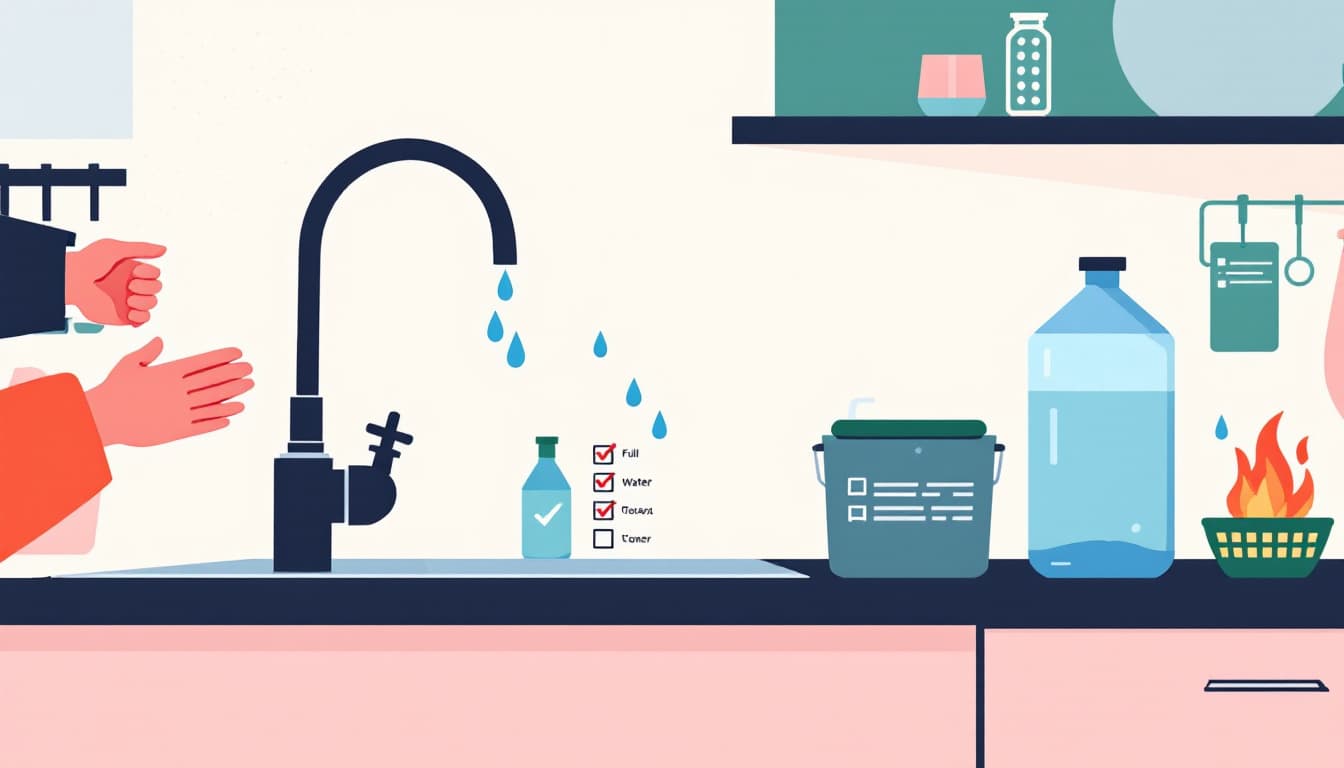
Keep a minimum of 72 hours of water stored. This applies everywhere but matters more in eastern Washington where well pumps go silent the moment grid power does. A well-dependent household without stored water is in a harder position than a city-water household by hour six. Three gallons per person per day is the standard planning figure from Washington's Emergency Management Division.
Download your utility's offline outage map before storm season peaks. Some utilities offer map access that doesn't require a live internet connection once cached. Others don't. Know which category yours falls into now, not when your router is dark.
The bigger picture
The Midwest outage map from this week will fade from the news cycle by the weekend. That's fine. It was always more useful as a prompt than as a story. Washington households don't need to live in fear of the grid; they need to spend about two hours this month confirming their basic resilience — water, food timeline, cooling plan, notification settings. Those four things outlast any single storm season.
Durability isn't about surviving a collapse. It's about a bad Tuesday not becoming a bad week.