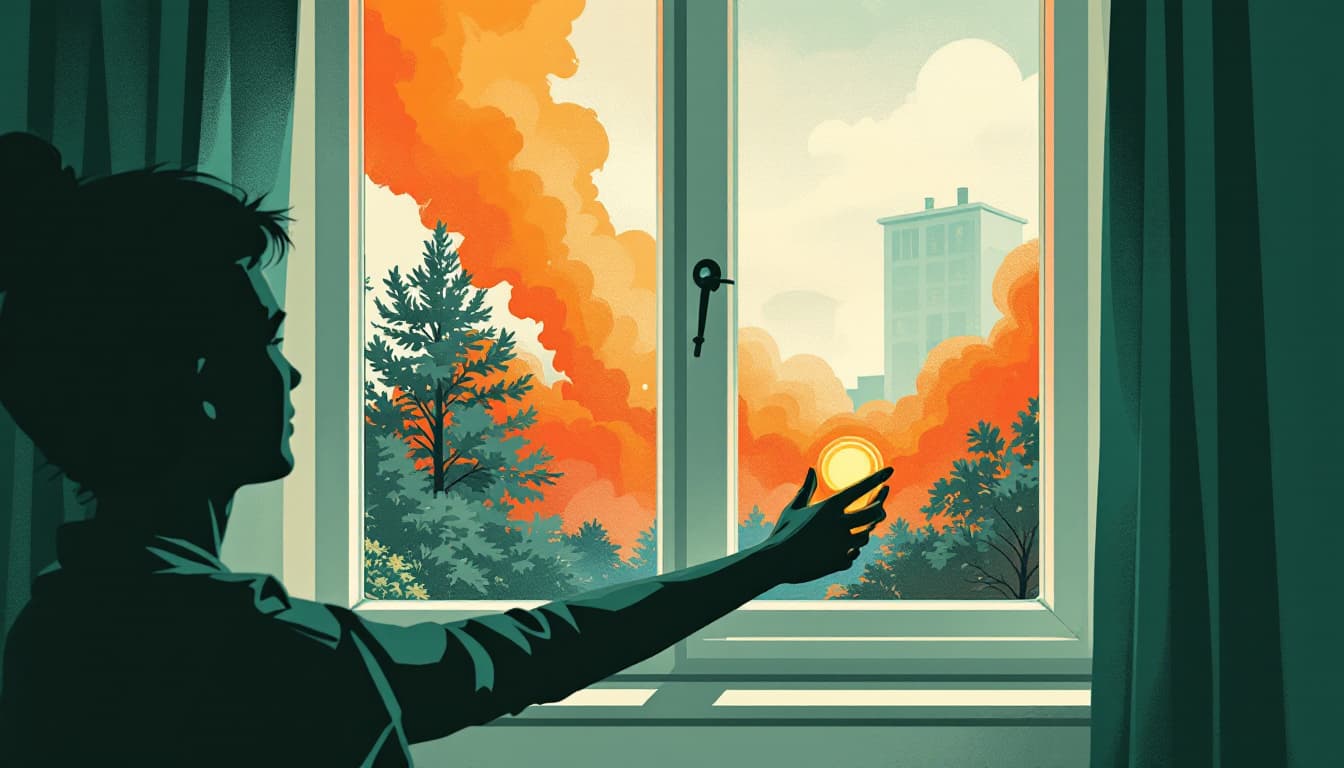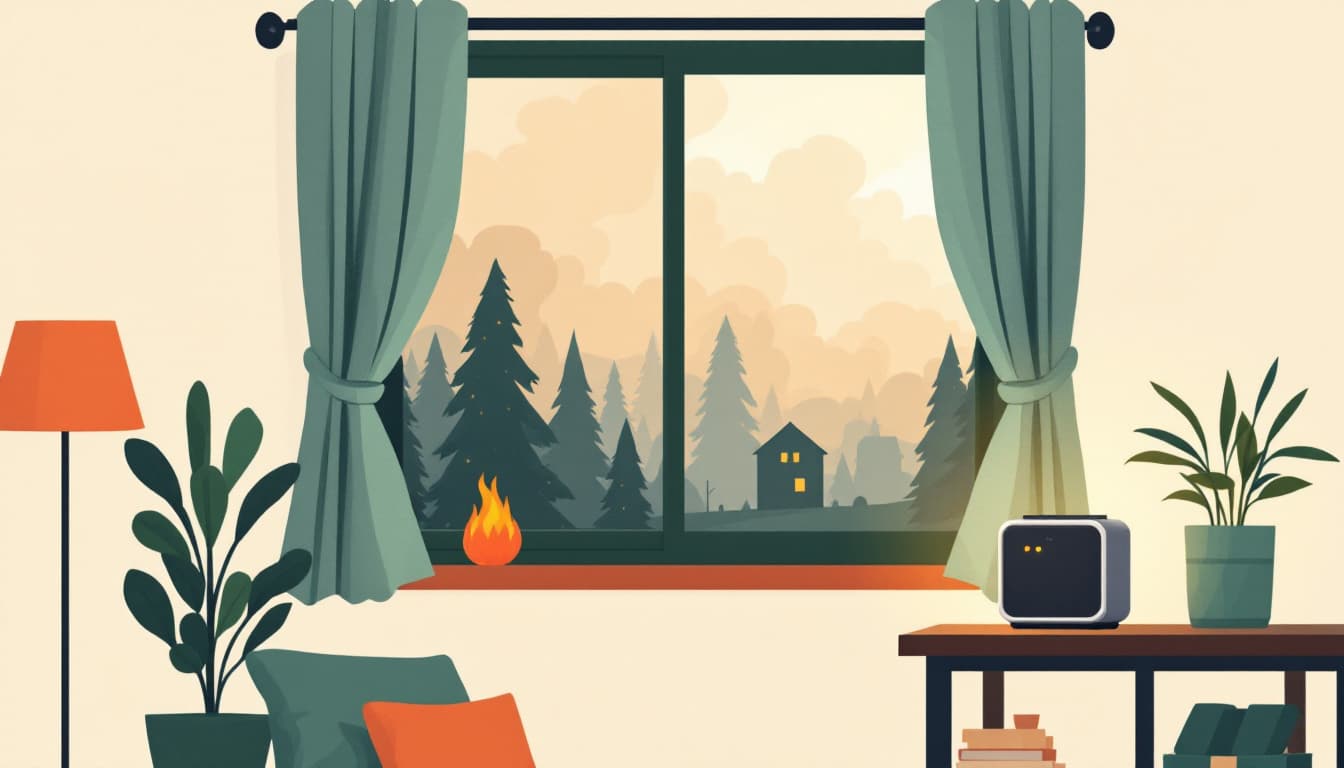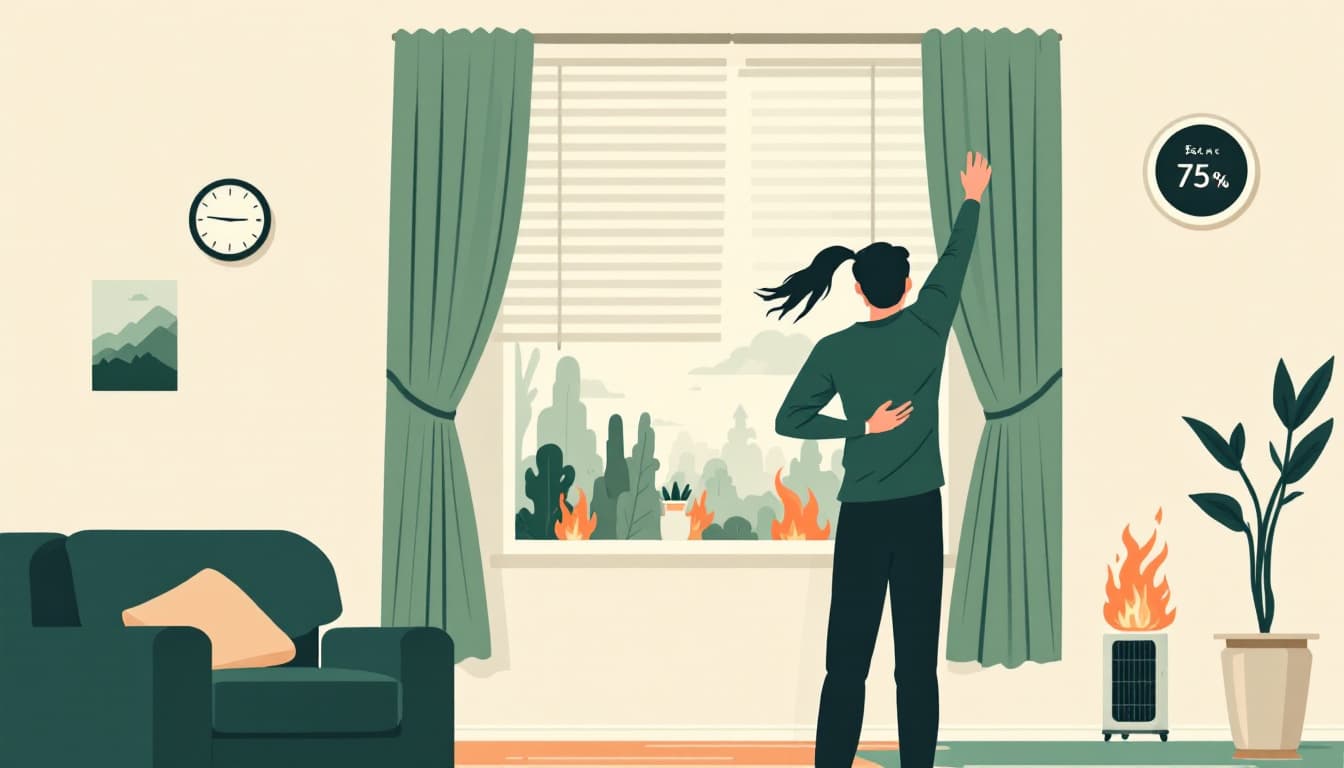
The window you'd normally crack open to cool your house down is, right now, the thing pumping particulate matter into your living room. That's the specific bind Western Washington households are sitting in this week.
A report from KOMO flagged the compounding conditions outdoor workers face when smoke and heat arrive at the same time. It's a legitimate occupational story. But inside homes — especially older stick-frame houses west of the Cascades that were built without air conditioning and without any expectation of wildfire smoke — the problem runs deeper than any single KOMO segment can unpack.
What's actually changing
Western Washington is not the dry east side of the state. The Puget Sound basin, the Chehalis lowlands, the Skagit Valley — these places have historically cooled overnight because residents open windows after dark. That passive cooling strategy is the default for the majority of homes in King, Pierce, Snohomish, and Thurston counties.
Smoke breaks that strategy. When the Air Quality Index climbs above 150 — which it has during recent Cascade fire seasons — opening windows at night trades a heat risk for a respiratory risk. You don't get to choose which problem you'd prefer. You face both.
The other piece that's underreported: smoke plus heat plus sealed indoor spaces accelerates indoor CO2 buildup and pushes indoor temperatures higher than people expect. A house that stays tolerable on a 90°F day with good airflow can become genuinely dangerous on the same temperature day with windows closed.
Washington State Department of Health maintains an air quality map at ecology.wa.gov (run through the state Department of Ecology). It's updated hourly. The AQI reading at your nearest monitor — not the regional average — is the number that matters for your household's decisions.
What we'd actually do
Get a real HEPA filter in one room, and treat that room as your clean-air anchor. A single room-sized HEPA air purifier — sized appropriately for the square footage — costs $80 to $200 and runs on about 50-100 watts. That's your smoke refuge. Bedroom or main living area. Run it on high when AQI crosses 100, keep the door closed, and sleep in that room during smoke events. A box fan with a MERV-13 furnace filter taped to the intake is a functional DIY substitute if you don't have a unit yet; it's sometimes called a Corsi-Rosenthal box and has been validated in indoor air quality research.
Pre-cool the house before smoke arrives in the morning. Check airnow.gov the night before. If a smoke advisory is likely the next day and overnight temps drop below 65°F, run your windows wide open from midnight to 6 a.m., then seal the house. Thermal mass — floors, walls, furniture — holds that cool air longer than you'd expect. In a typical Western Washington house, you can buy 4-6 hours of tolerable indoor temperature this way.
Stock N95s in a specific spot, not "somewhere in the house." The 2021 heat dome killed more than 100 people in Washington state. Subsequent summers have layered smoke on top of heat. N95 respirators protect against particulate smoke; they do not help with heat itself, but they let you operate outdoors briefly without significant respiratory exposure. Keep a small supply — 10 to 20 masks per household member — in one clearly marked location. Surgical masks and cloth masks do not filter PM2.5 meaningfully.
Know your nearest cooling center and confirm it's smoke-filtered. King County, Pierce County, and Snohomish County all publish cooling center lists during heat events. Call ahead and ask whether the HVAC system filters smoke. Some older community centers don't. A cooling center that's pumping smoky air through an unfiltered system is not actually a refuge from this compound event.
Check on one person who lives alone and doesn't have AC. This is not a general sentiment — it's a specific action. Look at your contact list. Identify one person: elderly, low-income, lives in an older apartment without central air. Text them today. Offer your clean-air room if things get bad. The Washington state death toll from the 2021 heat dome was concentrated among people who were isolated and had no social fallback.
The bigger picture
Washington west of the Cascades is in a years-long adjustment to conditions it didn't historically have. Smoke from eastern Washington, Oregon, and British Columbia now reaches Puget Sound regularly from July through September. Heat events that once came once a decade are recurring more frequently — the specific trajectory is still being studied, but the direction isn't contested.
None of this requires a bunker or a panic purchase. It requires a functioning HEPA filter, a plan for where your household sleeps during compound events, and knowing the AQI before you open your windows. Durability looks like a household that can absorb a bad August week and return to normal — not one that survived by luck.