The National Interagency Fire Center tracks acres burned from January 1 forward. By late May in a typical year, the cumulative numbers are still modest — fire season is supposed to be a summer and fall problem in most of the country. This year it isn't. A report this week from CNN described the 2026 season as off to a historic start, with conditions that could push it worse before any relief arrives.
That framing, "historic start," tends to wash over people. It lands next to every other alarming headline and gets scrolled past. But the underlying dynamic is worth sitting with for a minute, because it has direct household consequences that the news coverage rarely spells out.
What is actually changing
Wildfire risk used to be regional and seasonal. A family in the Southeast or the Midwest could reasonably treat it as someone else's problem. That calculus is shifting for three compounding reasons.
First, the geographic footprint of high-risk fire years has widened. The Great Plains, the Gulf Coast corridor, and parts of Appalachia have all seen significant fire activity in recent years that would have been statistically unusual a decade ago. "This only happens in California" is no longer a reliable mental model.
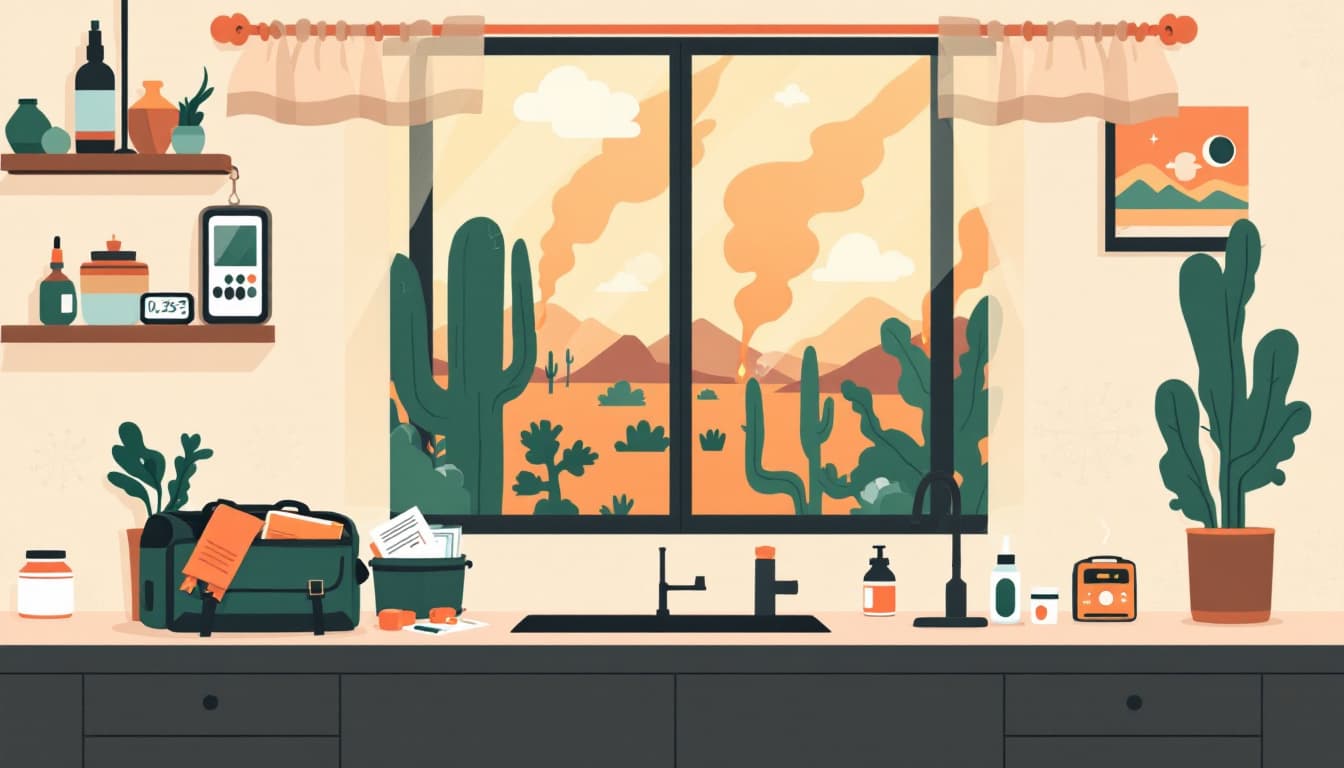
Second, smoke does not respect regional boundaries. Air quality alerts from fires burning in Canada or the Rockies have repeatedly hammered cities in the Midwest and Northeast. The 2023 Canadian wildfire smoke event that turned skies orange from Chicago to Boston was not a one-off curiosity; it was a preview of how often millions of people far from any fire will need to manage air quality as a real household variable.
Third, the insurance market is pricing this in before most families are. Insurers have withdrawn from entire zip codes across the West, and reinsurance rate increases are beginning to ripple into markets well outside the traditional fire belt. Families who haven't thought about wildfire risk are starting to absorb it through their premiums whether they've thought about it or not.
None of this means a firestorm is coming to your backyard. It means the probability of your household being affected by wildfire — directly through evacuation pressure, or indirectly through smoke, supply disruptions, or insurance costs — is higher than the average person's mental model accounts for.
What we'd actually do
Get serious about your household's air quality baseline. A good HEPA air purifier for a single room costs between $80 and $150 and can reduce particulate matter by over 99 percent in that space. If smoke events are going to be a recurring feature of summers for the foreseeable future, this is a more durable investment than a lot of other gear people stockpile. Run it in the room where your family sleeps.
During an active smoke event, a room purifier matters more than N95 masks for most families, because most exposure happens indoors over many hours, not during a single outdoor trip. That said, keep a box of N95s in the house. They serve double duty — wildfire smoke, pandemic response, industrial accident. A box of 20 costs about $20 at any hardware store.
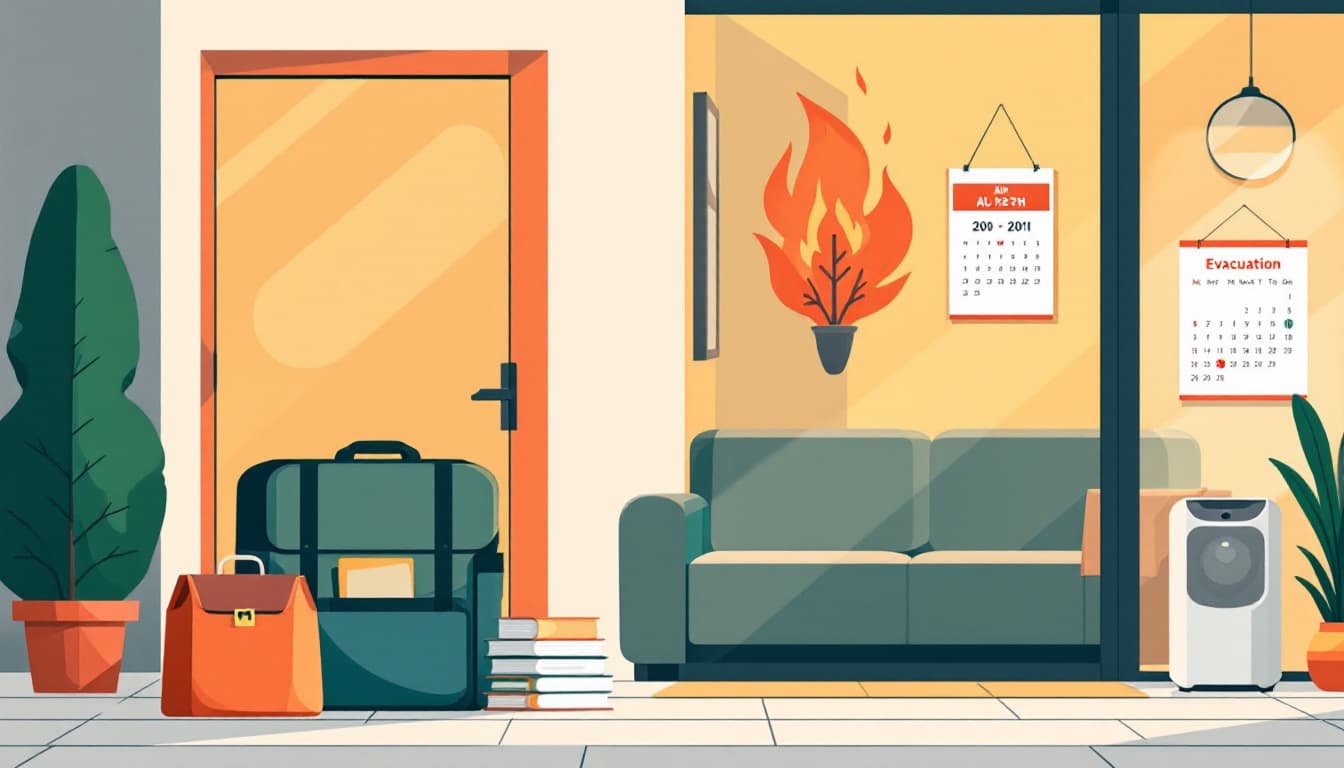
Build a go-bag that's actually ready to go. Most families either don't have one or have one that hasn't been touched in two years. The key contents aren't exotic: medications for 72 hours, copies of critical documents (insurance policy numbers, prescriptions, IDs) stored digitally and on a USB drive, phone chargers, $200 in cash, a change of clothes per person, and one item of comfort per child. The bag should be in a place where anyone in the household can grab it in under three minutes. Run that drill once. It's uncomfortable. Do it anyway.
Know your evacuation zone and your route before you need them. Most counties with wildfire risk publish zone maps online. Find yours. Identify two exit routes from your neighborhood, because fire can cut off one. Decide in advance at what alert level your family leaves — don't negotiate that decision in the moment with smoke visible on the horizon. Write it down and put it somewhere everyone can see it.
Check your homeowner's or renter's policy for fire and smoke coverage. Call your insurer and ask two specific questions: Is smoke damage covered, and up to what dollar amount? Is temporary housing covered if an evacuation order lasts more than 72 hours? Many people discover the gaps only after they need the coverage.
The bigger picture
Wildfire is becoming a recurring feature of the American household calendar, not a rare catastrophe. The preparation for it is not about building a bunker or fleeing to a cabin in the woods. It is about air quality management, a ready bag, a known plan, and an insurance policy you actually understand. Those are durable investments that pay off whether this summer turns out to be bad or merely average.
Durability is the goal. Not survival at any cost — just a household that doesn't get caught flat-footed by something that was foreseeable.