A foxcarolina.com First Alert Weather Day advisory issued this week put the western Carolinas — Asheville, the Foothills corridor, the High Country — on notice for sustained extreme heat through at least Tuesday. For a region that markets itself on cool summer temperatures and draws retirees partly because of them, that signal deserves more than a reminder to drink water.
What's actually changing in the mountains
Western North Carolina sits at elevations that historically kept August highs in the low-to-mid 80s. Residents there often don't own central air conditioning, or own aging window units that were sized for a climate that no longer reliably shows up in August. That's the structural gap the forecast is exposing.
The heat risk here isn't identical to what Charlotte or Raleigh manages every summer. Mountain households are less acclimated, less equipped, and often more isolated — longer drives to cooling centers, older housing stock with poor insulation that traps heat rather than blocking it, and rural water systems that can see pressure drops when demand spikes.
Duke Energy Carolinas and Dominion Energy North Carolina both serve portions of the western region. When grid demand peaks during multi-day heat events, the risk of rolling brownouts rises. A localized thunderstorm — common in the mountains on hot afternoons — can knock out a feeder line serving a hollow or ridge community for hours. That's not catastrophizing; that's what the terrain does.
The forecast window also ends Tuesday. What doesn't end Tuesday is the cumulative stress: on older residents, on people who worked outside the first three days of the event, and on households that drew down their food and medication cold-chain reserves and haven't restocked.
What we'd actually do
Check every person in your household for heat-illness vulnerability before the day gets hot, not after. Age over 65, cardiovascular medication, diuretics, antipsychotics, and beta blockers all impair the body's ability to regulate temperature. If anyone in your home takes a medication from those categories, call their prescriber's nurse line and ask specifically whether the drug raises heat-stroke risk. This takes one phone call and takes 15 minutes. Do it this morning.
Identify your single coolest room and commit to it. In a mountain home without central air, running multiple window units simultaneously will likely trip a breaker before it keeps everyone comfortable. Pick the room with the lowest ambient temperature in the morning — usually ground floor, north- or east-facing — set one unit to 78°F, and make that room the household anchor from noon to 8 p.m. Closing interior doors and sealing gaps with rolled towels at the base matters more than you'd think.
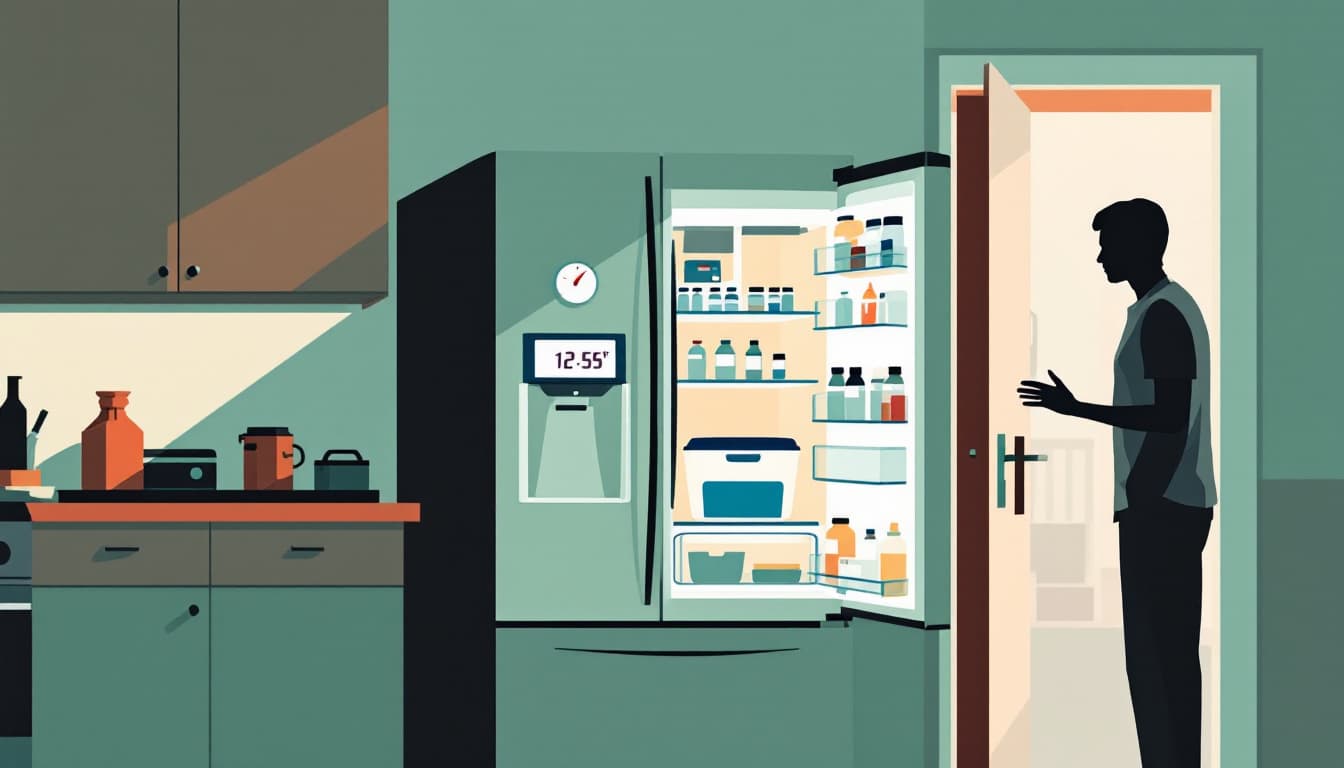
Fill a cooler with a 48-hour medication and food buffer before Sunday night. If the power goes out on Monday afternoon, how long before insulin, refrigerated eye drops, or any other temperature-sensitive medication is compromised? Calculate that window now. A basic cooler with a frozen gel pack bought before Saturday's heat peak buys you 24 to 36 hours of buffer. That's usually enough time to reach a pharmacy, a neighbor with a generator, or a county emergency shelter.
Locate your county's cooling center and confirm it's open before you need it. Buncombe, Henderson, Burke, and Caldwell counties all maintain emergency cooling center programs through their health departments and emergency management offices. Hours vary; some require registration. Find the number for your county's Emergency Management office — it's on the county website — and write it on paper. Cell service in parts of the mountain region is unreliable, and a paper list works when the phone doesn't.
Prep your vehicle as a backup cooling option. A car with a functioning air conditioner is a cooling center you already own. Park it in shade, check the coolant level this weekend, and keep the gas tank above half. During a multi-day grid event, a 30-minute drive with the A/C running can bring a person's core temperature down enough to prevent an ER visit. This costs nothing to set up now.
The bigger picture
Western North Carolina's appeal — the elevation, the mild summers, the relative affordability compared to Asheville's city center — has drawn a wave of retirees and remote workers over the past decade. Many came from coastal or Piedmont climates and haven't built the informal heat-management knowledge that longtime mountain residents carry. This week's event is a calibration point. The goal isn't to survive a bad forecast; it's to understand what your specific home, in your specific county, actually needs when summer stops behaving the way the region's reputation promised it would.
Durability is built in the ordinary weeks, and tested in the extraordinary ones.