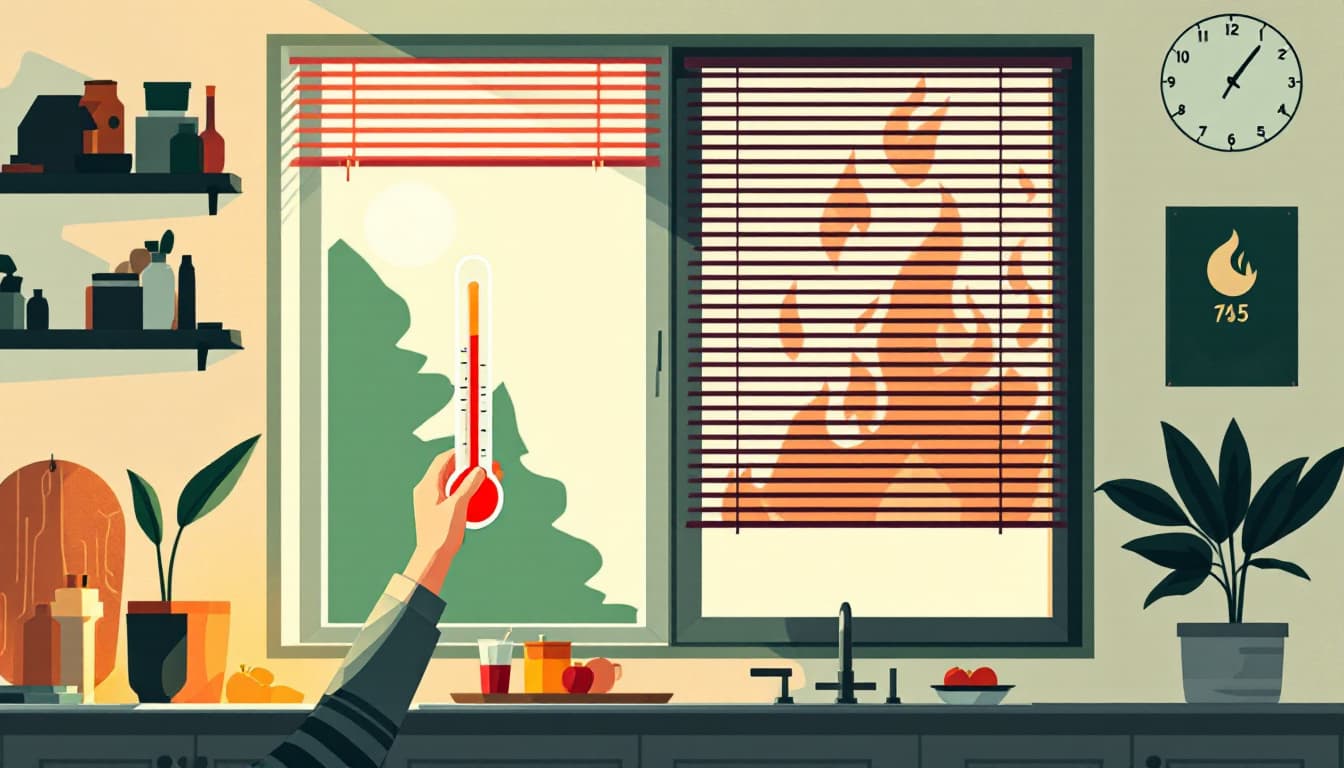
A CBS News report this week put North Texas under both a heat advisory and an extreme fire danger warning at the same time. That combination matters beyond the obvious. Heat suppresses the humidity that otherwise slows fire spread. It also keeps people inside with the AC running — which means they're often late to notice smoke, and slower to act when a grass fire jumps a fence line and starts moving through a subdivision.
The Dallas-Fort Worth Metroplex and the surrounding counties have seen this pattern before. The terrain is flat, the prevailing southwest wind is reliable, and August turns the native grasses into fuel. What changes year to year is whether residents treat the warnings as weather trivia or as a compressed decision window.
What's actually different about a dual advisory
A standalone heat advisory means drink water, check on elderly neighbors, don't leave kids in cars. Most households have absorbed that message.
A simultaneous fire danger warning layered on top of it means something operationally different: the conditions that ignite a fire are present, and the conditions that would help contain it are absent. Low relative humidity, high sustained temperatures, and even modest wind speeds create what fire scientists call a critically dry fuel state. The Texas A&M Forest Service publishes a daily fire weather outlook — it's not a forecast most North Texans check, but it should be.
When CBS News flagged this advisory, the implicit story is that the window between "conditions are dangerous" and "a fire is moving" is shorter than it looks from inside an air-conditioned house.
What we'd actually do
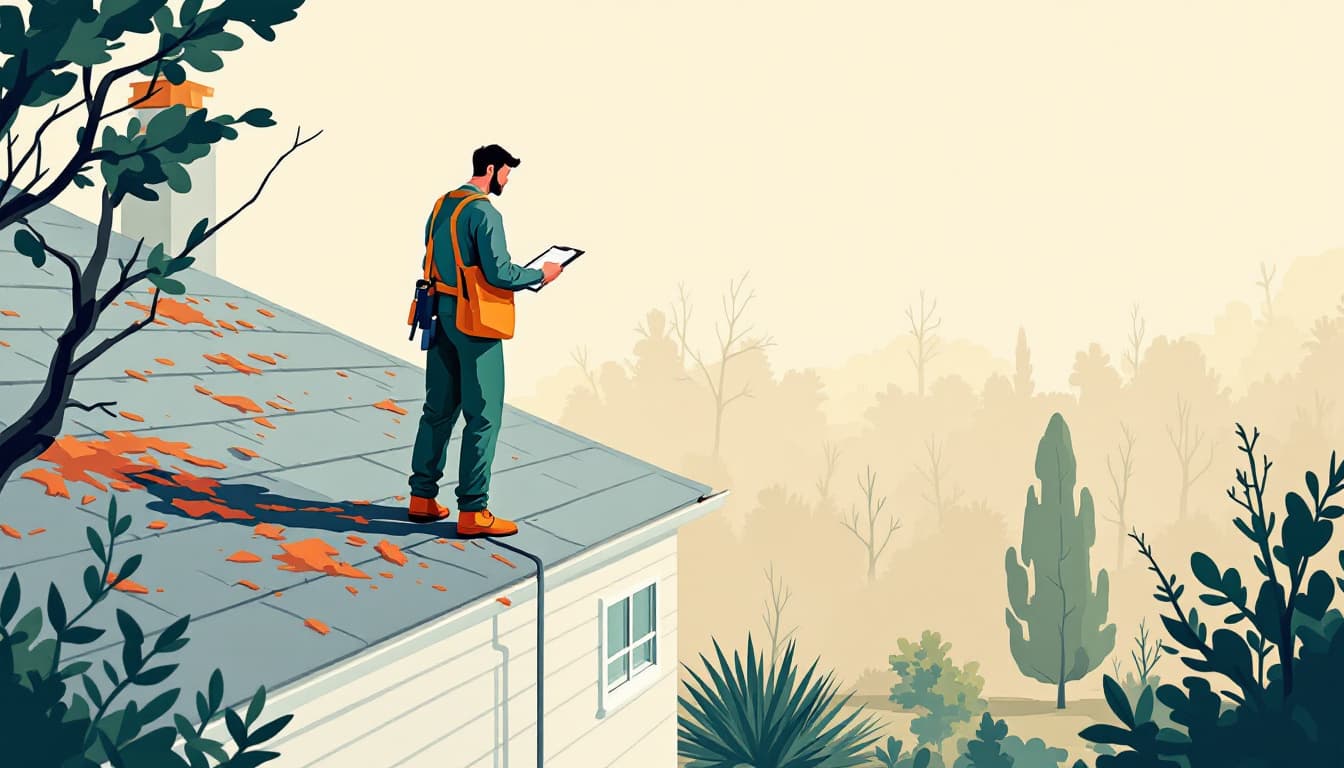
Walk your defensible space today, not when you smell smoke. Most North Texas suburban lots don't have the dramatic brush of the Hill Country, but they do have dry grass against wood fences, propane tanks near dead shrubs, and mulch beds that will carry an ember. Walk your property line this evening and clear anything combustible within three feet of your structure. This is a thirty-minute job, not a weekend project.
Defensible space isn't just a rural concept. Embers from a grass fire a quarter mile away can land on a cedar-mulch bed and smolder for twenty minutes before anyone notices. The National Fire Protection Association's guidance on home ignition zones applies equally to a Denton County subdivision as it does to a ranch outside Abilene.
Know your two exit routes before the advisory becomes an evacuation order. If you live in a community with one primary road in and out — common in newer developments on the western and northern fringes of the Metroplex — identify your secondary route now using a printed map, not just your phone. Wildfires move fast enough that GPS rerouting may not update in time, and cell networks saturate during evacuations.
Print a map. It's a piece of paper. It doesn't require signal.
Pre-stage a go-bag with a 90-minute assembly rule. The goal isn't a survivalist kit. It's a bag you can grab and be in the car within 90 minutes of a voluntary evacuation order. Medications (a full supply, not what's left in the bottle), identification documents, phone chargers, one change of clothes per person, and enough cash to fill a gas tank twice. Store it near the door you'd exit through.
Texas Division of Emergency Management recommends having this ready before fire season peaks. August is peak fire season.
Seal your home before you leave, not after you smell smoke. If a fire is approaching and you're preparing to evacuate, close all windows and doors, shut off your HVAC system, and move combustible patio furniture inside or against an exterior masonry wall. This buys structural survival time if embers reach the house before firefighters do. It takes under ten minutes and meaningfully changes outcomes.
Check on one neighbor you haven't spoken to recently. Heat and fire danger together are hardest on older adults living alone. A neighbor who lost power during the heat advisory, or whose mobility limits a fast exit, may not be monitoring alerts. This is not a preparedness luxury — it's the action most likely to matter at the household level.
The bigger picture
North Texas isn't uniquely cursed. But the combination of rapid suburban expansion into fire-adjacent land, August heat that desiccates everything, and the region's characteristic flat-land wind makes the dual-advisory scenario a recurring feature of late summer, not a one-off emergency.
Durability means treating fire season the way you treat hurricane season on the Gulf Coast: with a short checklist that's already done before conditions arrive. The households that fare worst aren't unprepared in some fundamental way. They're just one weather event behind.