On a mid-August day when temperatures across the Dallas-Fort Worth Metroplex climbed past 100 degrees, multiple fires broke out across North Texas, according to a report this week from FOX 4 News Dallas-Fort Worth. No single dramatic cause. Just grass that hadn't seen meaningful rain in weeks, wind, heat, and enough ignition sources — mowers, vehicles, power lines — to get things started.
That combination is the real story, and it repeats every summer. The question for households in the DFW area, the Hill Country fringe, and the Panhandle is not whether it will happen again but whether your household is positioned to respond when it does.
What's actually changing
North Texas has always had hot summers. What's shifting is the fire window. Historically, Texas's peak wildland fire risk fell in late winter and early spring, when vegetation is dormant and dry after cold months. The Texas A&M Forest Service has tracked a secondary fire season expanding deeper into late summer and fall as periods of drought extend. August fires are no longer anomalies.
The DFW Metroplex complicates this further. Suburban and exurban growth along corridors like U.S. 380, FM 1385, and the western edge of Tarrant County has pushed residential development into the wildland-urban interface — the zone where houses and dry vegetation meet. Homes in these areas face fire risk that feels like a rural problem but arrives at a suburban address.
Infrastructure is a secondary concern that often gets missed. When multiple fires ignite simultaneously and temperatures stay above 100 degrees, local fire departments in smaller municipalities run thin. Volunteer departments west of Fort Worth and north of Dallas cover enormous service areas. Response times stretch. That is not a criticism; it is a planning variable for your household.
What we'd actually do
Map your actual fire risk using the Texas A&M Forest Service's online resources, not your gut. The Texas A&M Forest Service maintains county-level fire danger ratings updated daily during active conditions. Spend ten minutes locating your county's current status. If you live in Wise, Parker, Hood, Palo Pinto, or Jack County — or anywhere along the western exurban fringe — you are in higher-exposure territory than a Fort Worth ZIP code suggests.
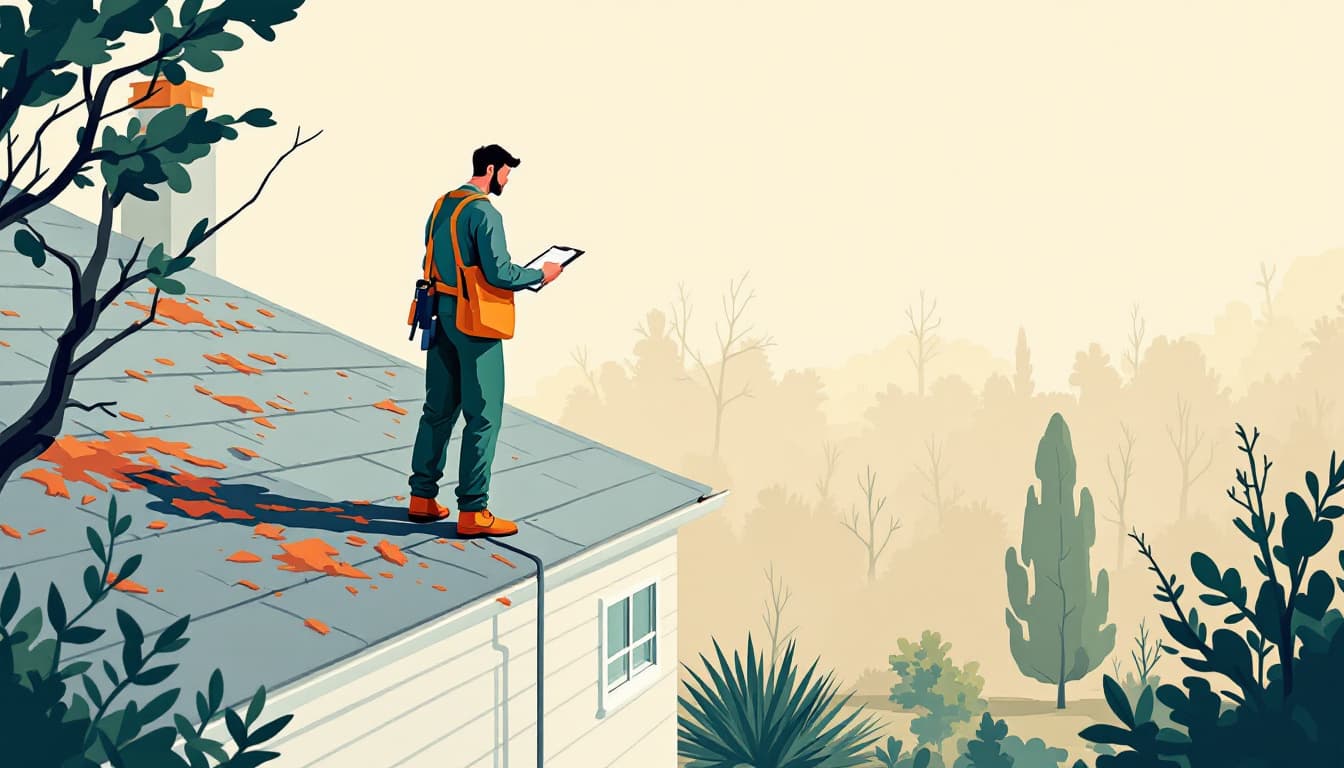
Create a 30-foot defensible space around your home if your property allows it. This means clearing dead vegetation, moving woodpiles away from exterior walls, and trimming tree limbs that hang over the roofline. It does not require a landscaping budget. A Saturday morning with a rake and pruners is most of the work. The National Fire Protection Association's "Firewise" program has a free property checklist at firewise.org that translates to Texas vegetation types without modification.
Pack a go-bag before you need it, not during an evacuation order. This is the most repeated advice in preparedness and the most commonly ignored. A fire evacuation gives you minutes, not hours. Keep a bag with three days of medications, copies of key documents (insurance policy, deed, ID), phone chargers, and enough cash to buy a hotel room when cellular networks are overwhelmed. For households with animals — and most Texas rural households have them — know your livestock trailer situation and the nearest large-animal evacuation site in your county before the smoke starts.
Know your county's emergency alert enrollment, and check it is active. Texas counties use a mix of systems — Wireless Emergency Alerts are automatic, but many counties also run opt-in systems through Rave Mobile Safety or Everbridge that provide more specific geographic targeting. Search "[your county name] Texas emergency alerts" and confirm your number or email is enrolled. This takes four minutes and costs nothing.
Keep your gas tank above half from June through October. This is unglamorous advice. It works. Evacuation routes out of North Texas — U.S. 287, I-20, U.S. 180 — can back up quickly when multiple communities move at once. Stations sell out. A half-tank habit costs nothing and removes one failure point from a chaotic moment.
The bigger picture
August fires in North Texas are a seasonal feature of living in a semi-arid state with a growing suburban edge. They are manageable risks, not inevitabilities. Households that spend a few hours now on a go-bag, a cleared yard perimeter, and an active alert enrollment are not catastrophizing — they are just doing the practical work that makes the next smoke column someone else's emergency instead of theirs.
Durability is the goal. Not bunkers. Not bug-out fantasies. Just a household that can move quickly, knows its risk level, and has removed the obvious failure points before the 100-degree afternoon when everything goes sideways.