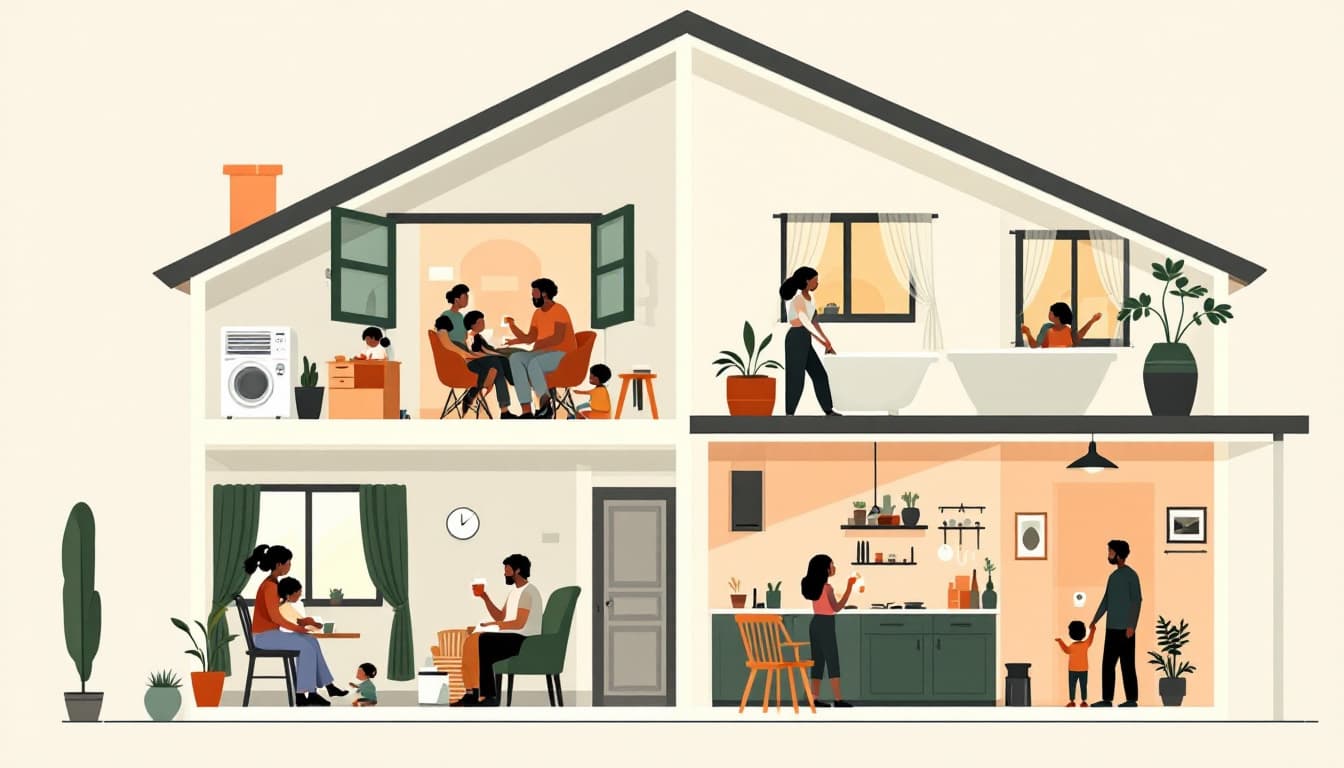
A report this week from Only In Your State notes that Tennessee is bracing for several heat waves across the summer — not a single brutal stretch, but a recurring pattern of dangerous heat that keeps resetting before households have fully recovered from the last one.
That distinction matters. One heat event is a logistics problem. Repeated heat waves are a durability problem. They drain finances, degrade equipment, and exhaust the social networks families rely on when things get hard.
What's actually changing
Tennessee summers have always been humid and punishing, but the pattern of back-to-back multi-day heat events puts pressure on systems that are designed to handle short spikes, not sustained load. The Tennessee Valley Authority manages power for most of the state, and TVA has publicly acknowledged in recent grid reliability briefings that summer peak demand is the highest stress point in its annual planning cycle. When a heat wave rolls through Memphis, Nashville, Chattanooga, and Knoxville in sequence — and then another one follows three weeks later — the grid, your AC unit, and your household budget all face compounding wear.
Two things that don't get enough attention in standard heat-wave coverage:
Medication storage. Many common prescriptions — insulin, certain thyroid medications, some liquid antibiotics, EpiPens — have manufacturer storage ranges that top out between 77°F and 86°F. A house that reaches 85°F indoors during a power outage, or a car that sits in a parking lot, can degrade those medications silently. There is no visible sign of spoilage. This is a specific, fixable household vulnerability.
Older and isolated neighbors. Tennessee has a significant rural population and a growing share of residents over 65. Heat mortality in the U.S. is concentrated in people who live alone and lack air conditioning — not people who lack information. The CDC's heat mortality data consistently shows this. Knowing your neighbors is not a soft social virtue here; it is a concrete safety intervention.
What we'd actually do
Get a standalone indoor thermometer for every floor of your home. Your thermostat reads one spot. A $12 thermometer tells you what the second floor or a back bedroom is actually doing. If you have a family member sleeping in a room that runs 8°F hotter than the living room, that changes your overnight plan.
Specifically: put one near where elderly or young family members sleep. If a room is consistently above 78°F overnight, cooling strategies shift from passive ventilation to active cooling, and you need to know that before 2 a.m. on the third night of a heat wave.
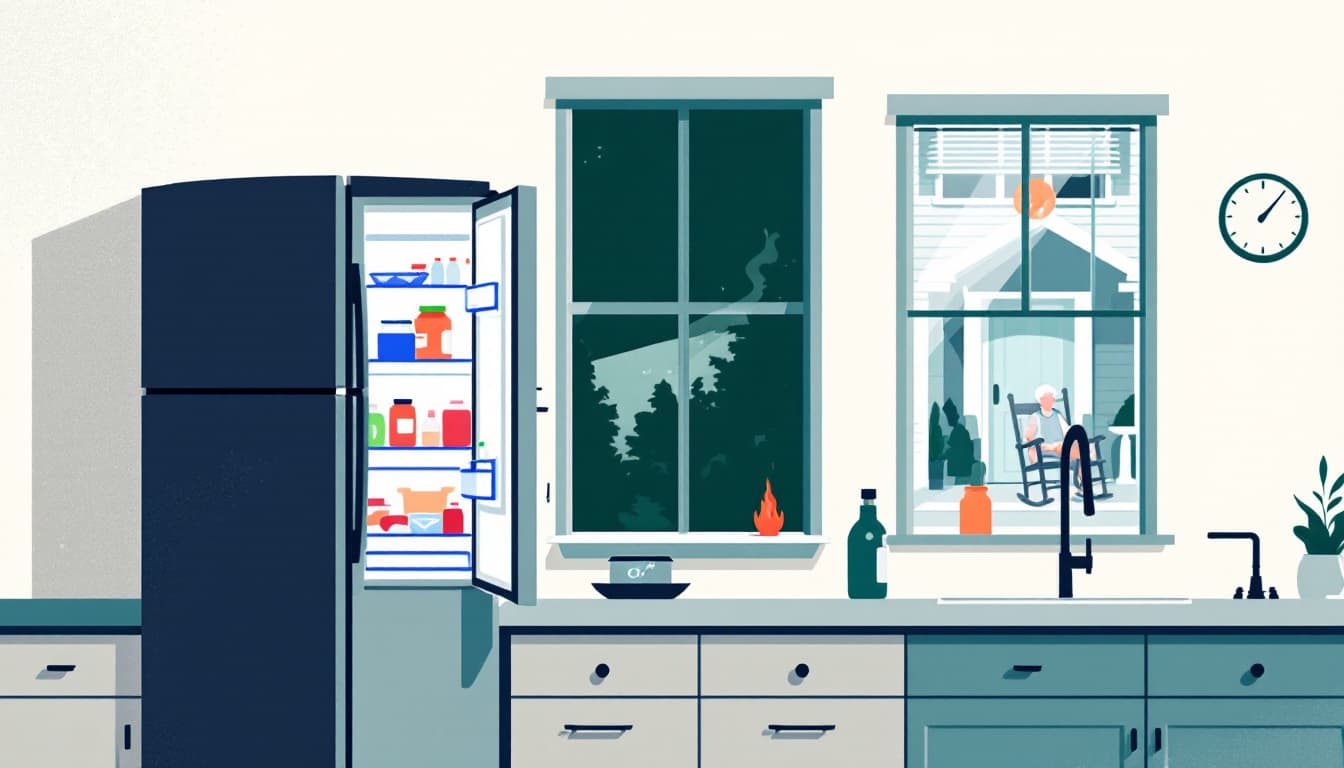
Audit prescription storage now, not during an outage. Pull out every medication in your household and read the storage instructions on the label or package insert. Make a short list of anything with a temperature ceiling under 86°F. Then decide: do you have a plan to keep those medications in range during a multi-day power outage? A small 12V cooler, a neighbor with a generator, a pharmacy with extended hours — any of these works, but you need the list first.
Identify your household's one real cooling refuge. Libraries, community centers, and malls serve as cooling centers during declared heat emergencies in most Tennessee counties. TEMA (the Tennessee Emergency Management Agency) coordinates these with county emergency management offices. Find out now — before an event — which facility nearest you is designated. Do not assume a shopping center will stay open at 10 p.m. on a Sunday.
Do a 10-minute check on your AC before the next wave hits. Change the filter if it hasn't been done in the last 60 days. A clogged filter under sustained load will reduce efficiency and shorten the unit's life. If your outdoor compressor is running but the house isn't cooling, that is a refrigerant or capacitor problem, and HVAC technicians book out fast during heat events. A call before the emergency is cheaper than a call during one.
Have a plan for the first 18 hours of a power outage. Not a full-blown survival kit — just a clear sequence: who calls whom, where the household goes if the house hits 85°F by nightfall, and where the medications that need cooling are going. Eighteen hours covers most outage windows and gets you past the point of improvised decision-making under physical stress.
The bigger picture
Preparedness for heat is not about stockpiling gear. It is about reducing the number of decisions you have to make under duress, at midnight, when it is 91°F inside and the power company's automated line says restoration is estimated tomorrow morning. Tennessee households that have done the quiet, unsexy work before that moment — the thermometer, the medication list, the cooling-center address — will handle it fine. The rest will be fine too, probably, but they will be exhausted and spending money they didn't plan to spend.
Durable households aren't the ones with the most supplies. They're the ones where nobody is surprised.