The alert lands on a Tuesday morning. You check your phone before the kids eat breakfast and see the orange banner: air quality advisory, southeast Wisconsin. The advice is to limit outdoor activity, especially for children, the elderly, and anyone with asthma or heart conditions. You probably know at least one of those people in your house.
A report this week from the Milwaukee Journal Sentinel covered exactly this — an air quality alert affecting parts of southeast Wisconsin with documented health impacts for sensitive groups. The piece is useful but stays at the advisory level. It tells you the alert exists. It does not tell you what to do inside your house, or how to think about a summer that is increasingly punctuated by these events.
What's actually changing
Air quality alerts in the Midwest used to cluster around industrial corridors and certain wind patterns. They still do. But wildfire smoke transport — pulling particulate matter from fires hundreds or thousands of miles away — has extended the alert calendar well beyond those historical patterns. The Great Lakes region now gets smoke events from Canadian and western U.S. fires that would have been rare in any given decade before 2020. Add regional ozone formation on hot, stagnant summer days, and you have a situation where families in places like Milwaukee face several days each summer when outdoor air is genuinely problematic, not just "not great."
The health concern is real but concentrated. For a healthy adult, a day or two of elevated PM2.5 or ozone is an inconvenience, not a crisis. For a child with asthma, a grandparent with COPD, or anyone with cardiovascular disease, it is a clinical event that can require medication adjustment or a medical visit. That's the household you need to plan for.
The problem with these alerts is that most families treat them the same way they treat a rain forecast: note it, maybe cancel the soccer game, move on. That's adequate if it happens once. It's not adequate if it happens eight to twelve times per summer, which is increasingly the pattern in parts of the Midwest and Northeast.
What we'd actually do
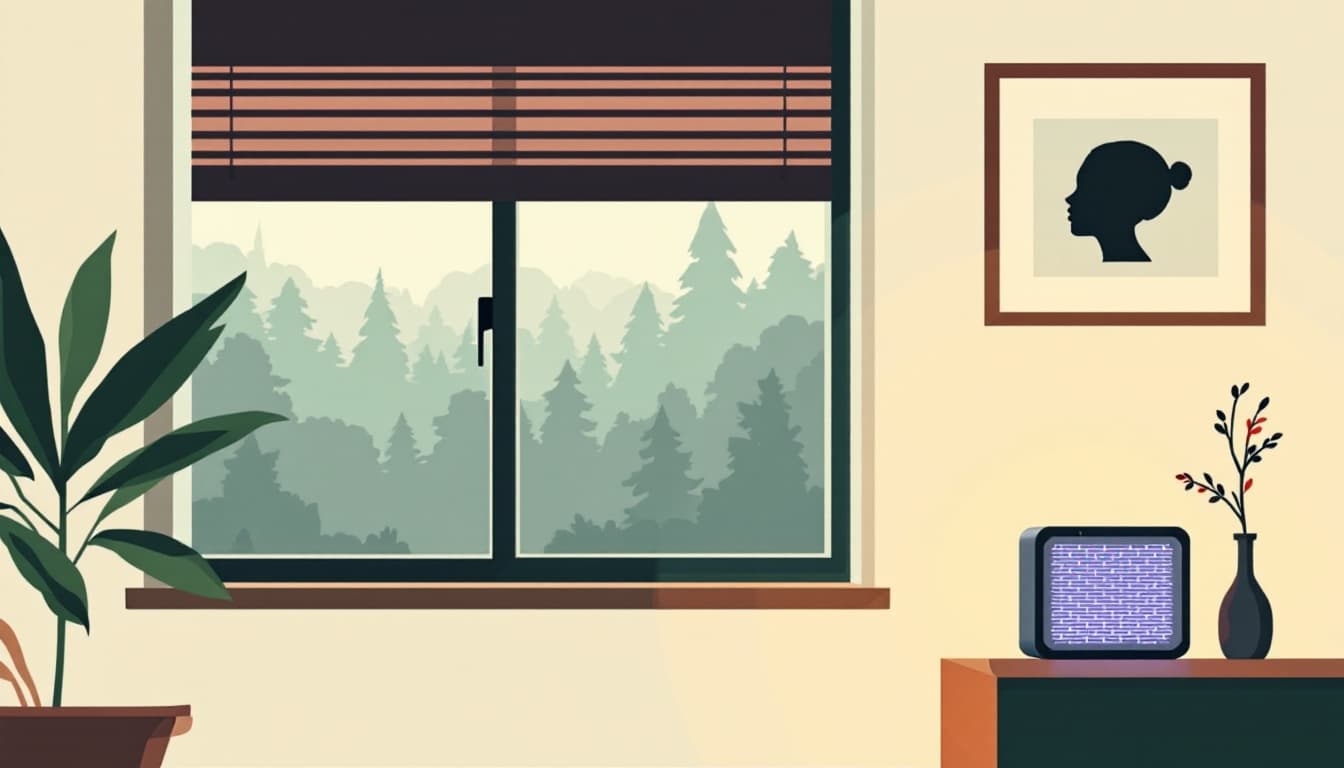
Check your home's actual filtration before the next alert, not during it. Most residential HVAC systems ship with fiberglass filters rated MERV 1-4, which filter almost nothing smaller than a dust bunny. Upgrading to a MERV 13 filter — which captures fine particles including PM2.5 — costs roughly $20-30 per filter and fits most standard systems. The swap takes five minutes. Do it now so you're not running to a hardware store mid-event.
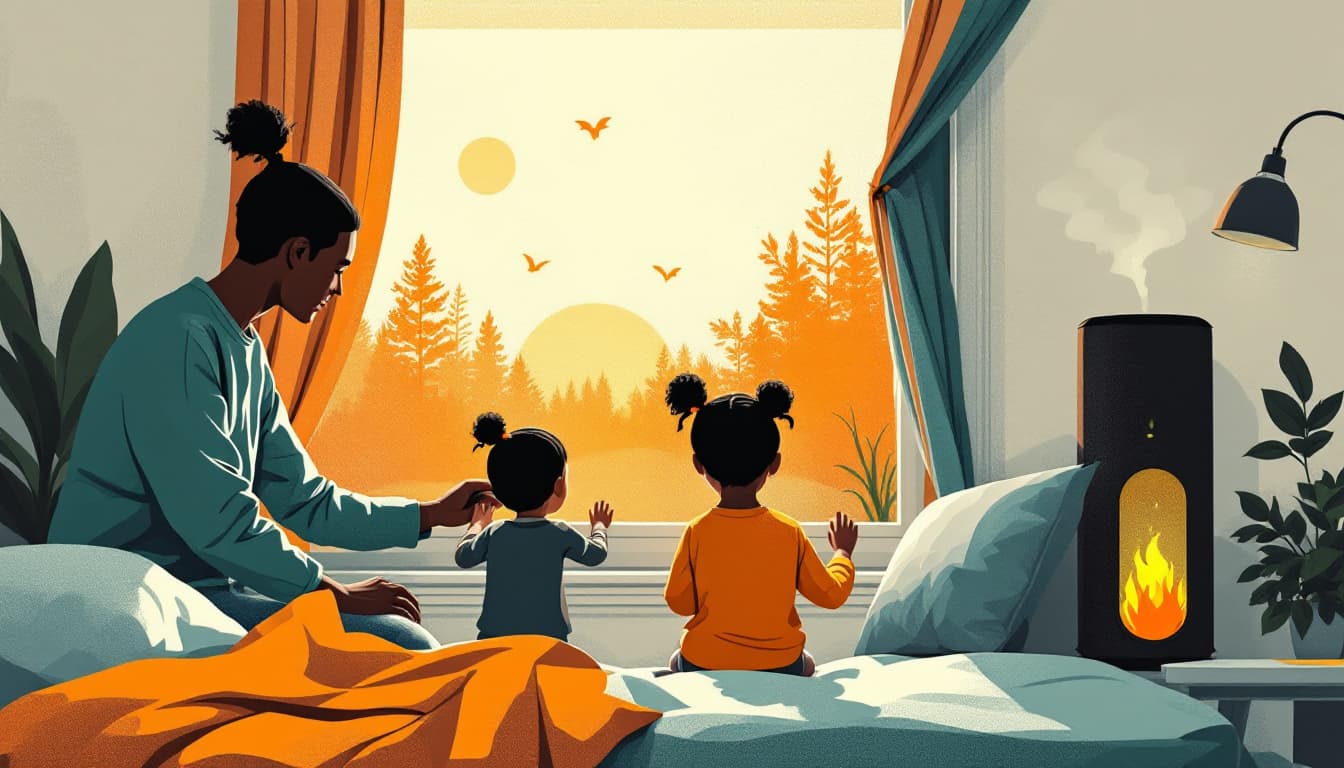
Get one portable air purifier with a true HEPA filter and put it in the room where your most vulnerable household member sleeps. A mid-range unit runs $80-150 and will meaningfully reduce indoor PM2.5 concentrations in a single room. You don't need one for every room. Start with the bedroom, because overnight is when you accumulate the most exposure. The EPA's indoor air quality guidance consistently identifies sleeping spaces as the highest-leverage intervention point.
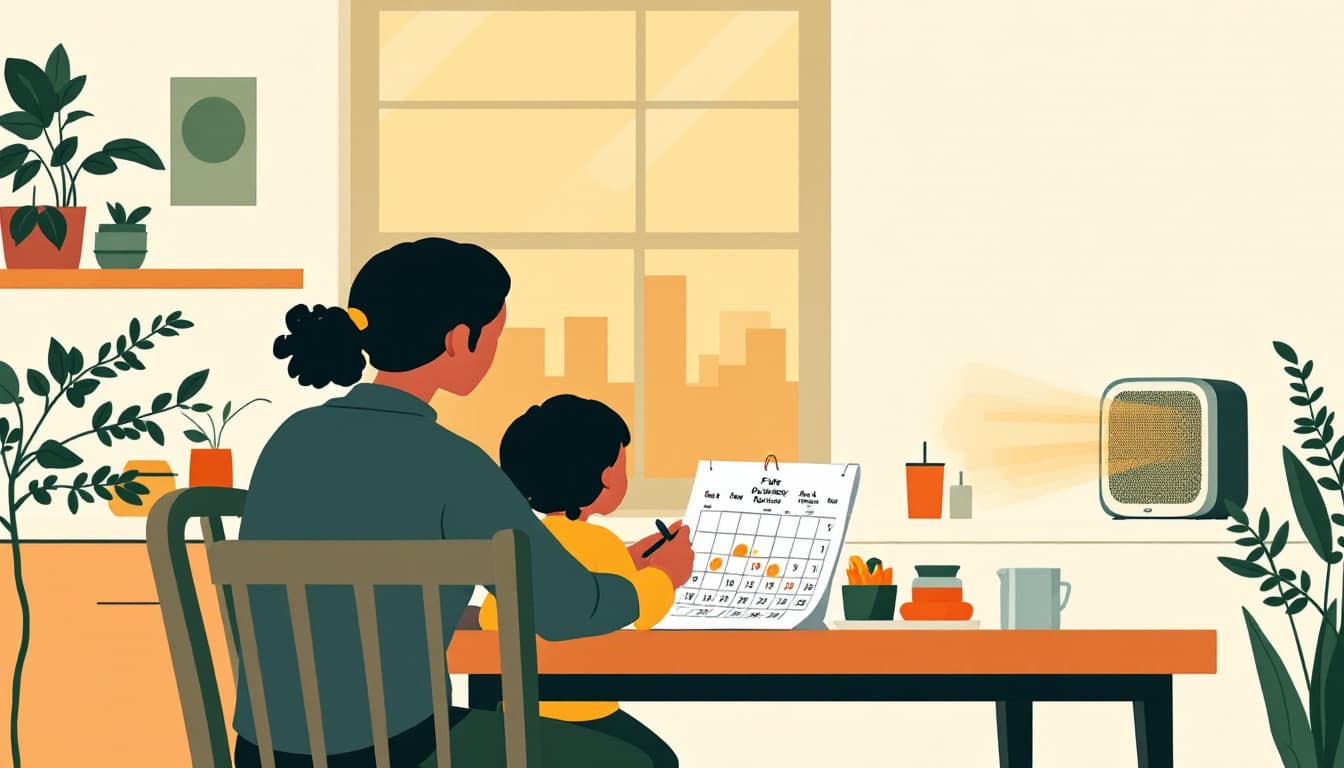
Build a simple household air quality check into your morning routine. The EPA's AirNow app (free) gives you real-time AQI by zip code. A 15-second check before sending kids outside costs nothing and takes the guesswork out of decisions like whether to open windows or run outdoor sports practice. This is not paranoia — it is the same logic as checking a weather app before a picnic.
Talk to your doctor now if anyone in your household has a respiratory or cardiac condition. Ask specifically: what is your protocol for air quality alert days? Should we adjust inhaler use preemptively? At what AQI level do we call you? Most people with asthma have never had this conversation. It is a ten-minute appointment question that can prevent an urgent care visit.
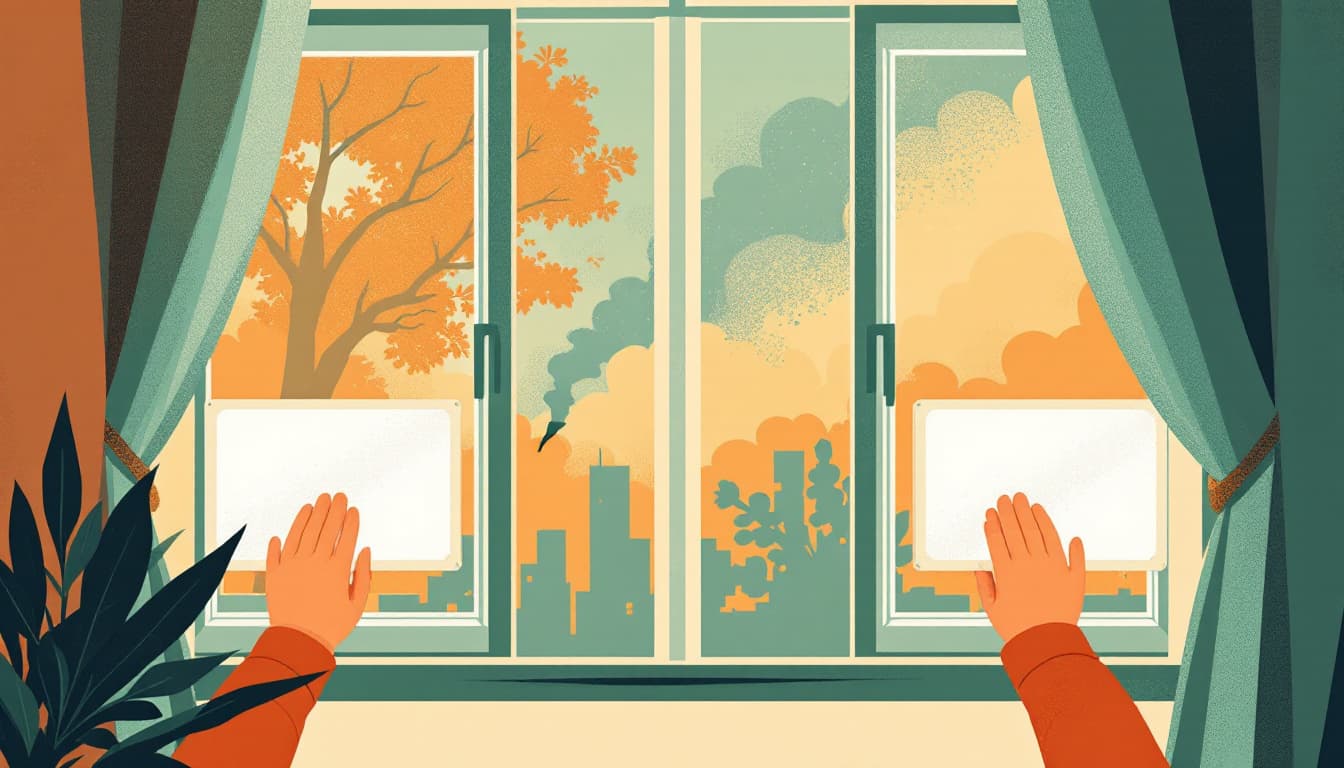
Keep windows closed and minimize door openings during alert periods. Obvious in theory, routinely ignored in practice because it's hot. If your house doesn't have central air, a window AC unit in one room creates a refuge. That room doesn't have to be comfortable everywhere — it has to be safe somewhere.
The bigger picture
Air quality events are not a sign of civilizational collapse. They are a predictable feature of summers that run hotter and drier over large parts of North America, combined with a wildfire pattern that has shifted significantly in the past decade. You can prepare for them the way you'd prepare for a predictable seasonal hazard — with modest, low-cost steps taken before the season starts.
The goal isn't to seal yourself inside a bunker. It's to make sure that when your county issues an orange or red AQI alert, your household already has the tools to handle it without scrambling. A $25 MERV 13 filter and a free app on your phone get you most of the way there.
Durability looks like this: boring preparation, applied consistently, so that the thing that hospitalizes your neighbor is just a Tuesday for you.